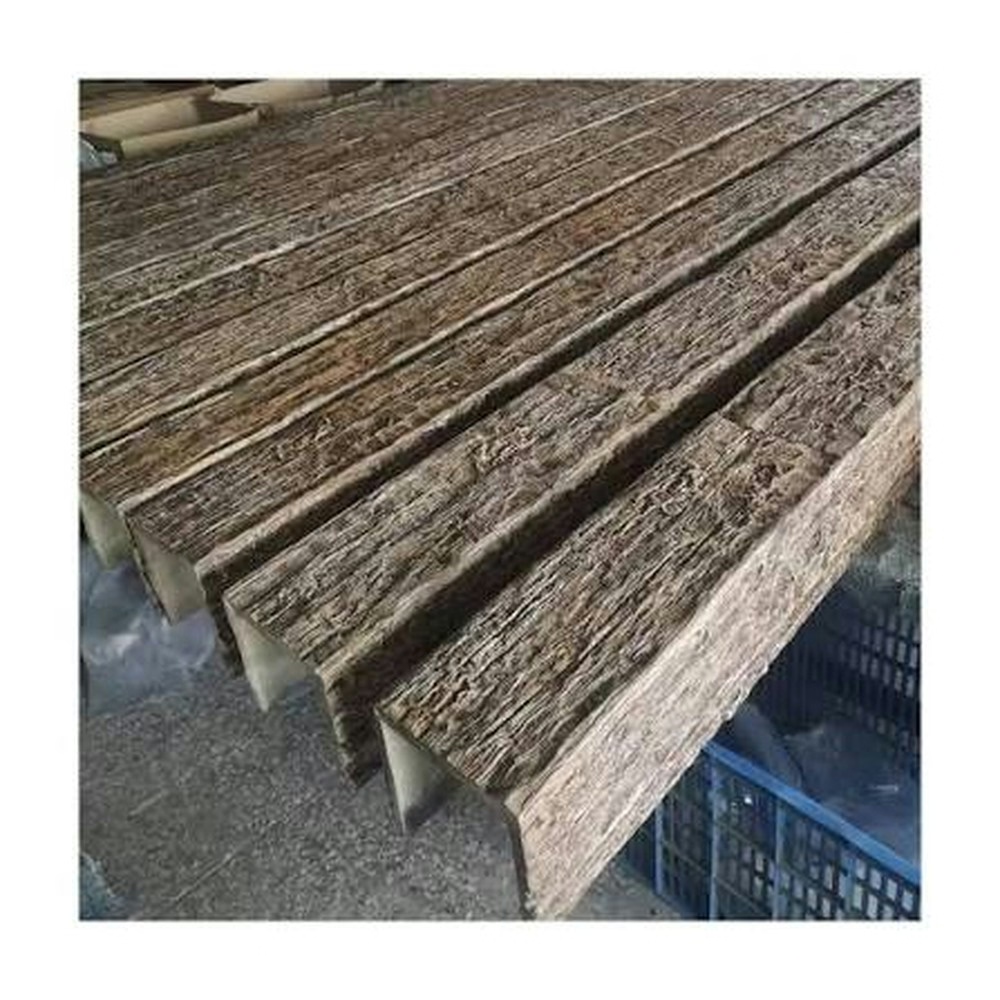
Bulk Wholesale Import Solutions for Chinese Manufactured Faux Wood Beams
China's manufacturing capabilities have transformed global supply chains across numerous industries. Polyurethane faux beam production in China serves international markets that increasingly depend on Chinese manufacturing efficiency. Understanding import solutions for Chinese manufactured beams enables purchasing optimization that captures manufacturing cost advantages while managing associated challenges.
Manufacturing capacity in China exceeds what most importing markets can achieve domestically. The scale advantages translate directly to competitive pricing that benefits international buyers. Volume production capability also enables customization that smaller manufacturers cannot offer economically. The capacity advantages create purchasing opportunities that domestic sources cannot match.
Quality variability among Chinese manufacturers requires careful supplier selection. Not all Chinese production meets equivalent standards despite similar appearance. Factory audits, sample evaluation, and reference verification help identify quality-capable manufacturers. The due diligence investment prevents problems that supplier selection mistakes create.
Communication challenges in international manufacturing relationships affect project outcomes significantly. Time zone differences, language barriers, and cultural differences all impact coordination efficiency. Professional importers develop communication approaches that bridge these gaps effectively. The relationship management capability enables successful international sourcing.
Production lead times for Chinese manufacturing typically exceed domestic production timelines. Ocean transit adds weeks to manufacturing duration. The extended timeline requires planning discipline that domestic purchasing avoids. Experienced importers incorporate lead time requirements into project schedules that depend on material availability.
Shipping logistics for Chinese imports require professional management that casual importers lack. Container loading optimization, port selection, and freight forwarding all affect landed costs. Logistics expertise reduces shipping expenses that might otherwise offset manufacturing savings. The logistics investment captures value that efficient transport creates.
Customs and import compliance for Chinese beams requires attention to applicable regulations. Trade policies, duty rates, and documentation requirements all affect import costs and feasibility. Professional import services manage compliance requirements efficiently. The expertise prevents delays and penalties that compliance errors create.
Payment terms for Chinese manufacturing typically require methods different from domestic purchasing. Letter of credit transactions, wire transfers, and payment platforms all carry different risks and costs. Understanding options and selecting appropriate methods protects both parties in international transactions.
Quality inspection before shipment from China prevents arrival problems that would require expensive remediation. Third-party inspection services verify products, quantities, and specifications. The inspection investment identifies issues while correction remains possible. Without inspection, problems discovered after arrival create costly resolution challenges.
Currency considerations in Chinese import purchasing affect total costs significantly. Exchange rate movements between currencies create cost variability that impacts purchasing budgets. Understanding currency exposure and potential hedging approaches enables better cost management for import purchases.
Import solutions for Chinese manufactured faux beams combine manufacturing advantages with professional supply chain management. The opportunity to access cost-competitive production requires capability that ensures quality, reliability, and compliance. Buyers who develop import expertise capture benefits that less sophisticated approaches miss.
Technical References
ASTM standards cited in every specification
Test Data
Lab results from internal testing program
Updated 2026
Reviewed against current product specs