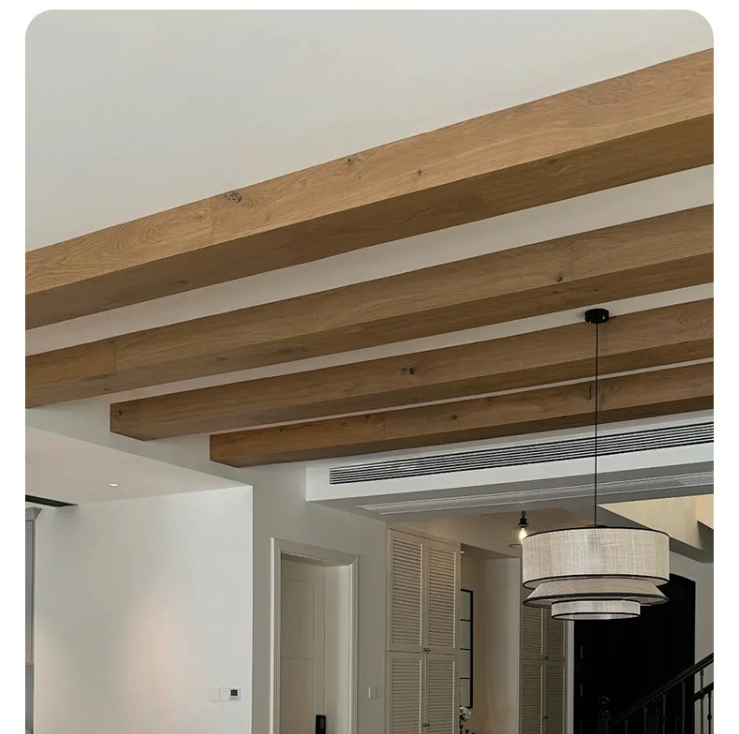
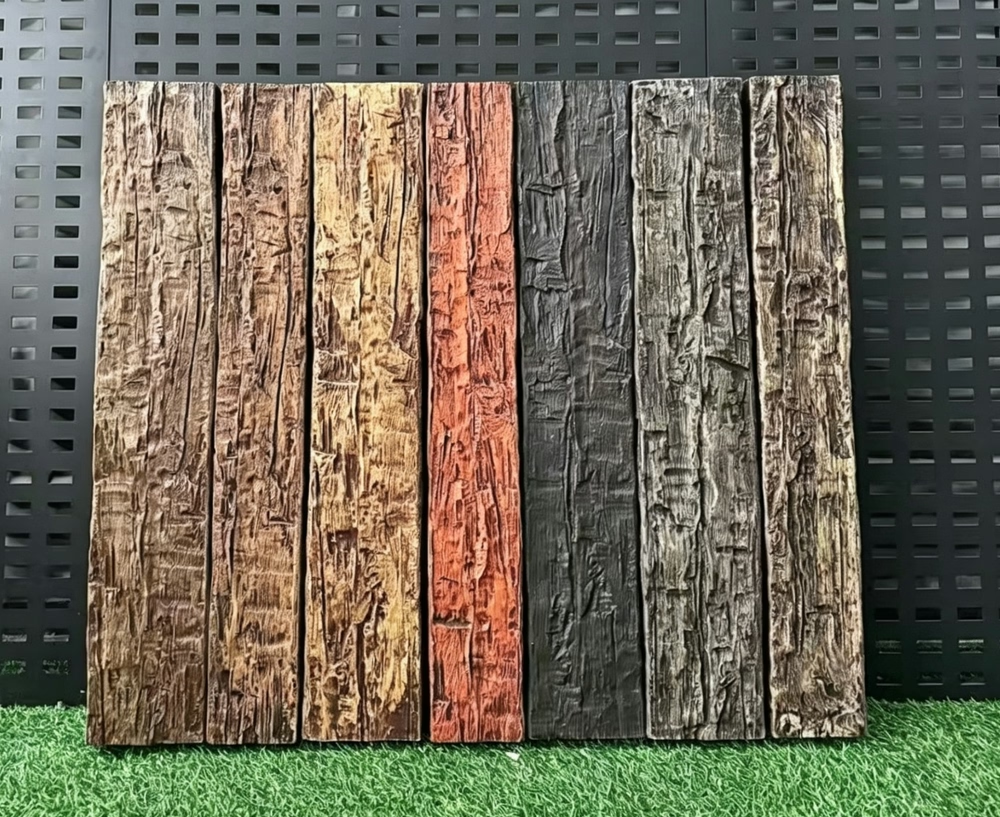
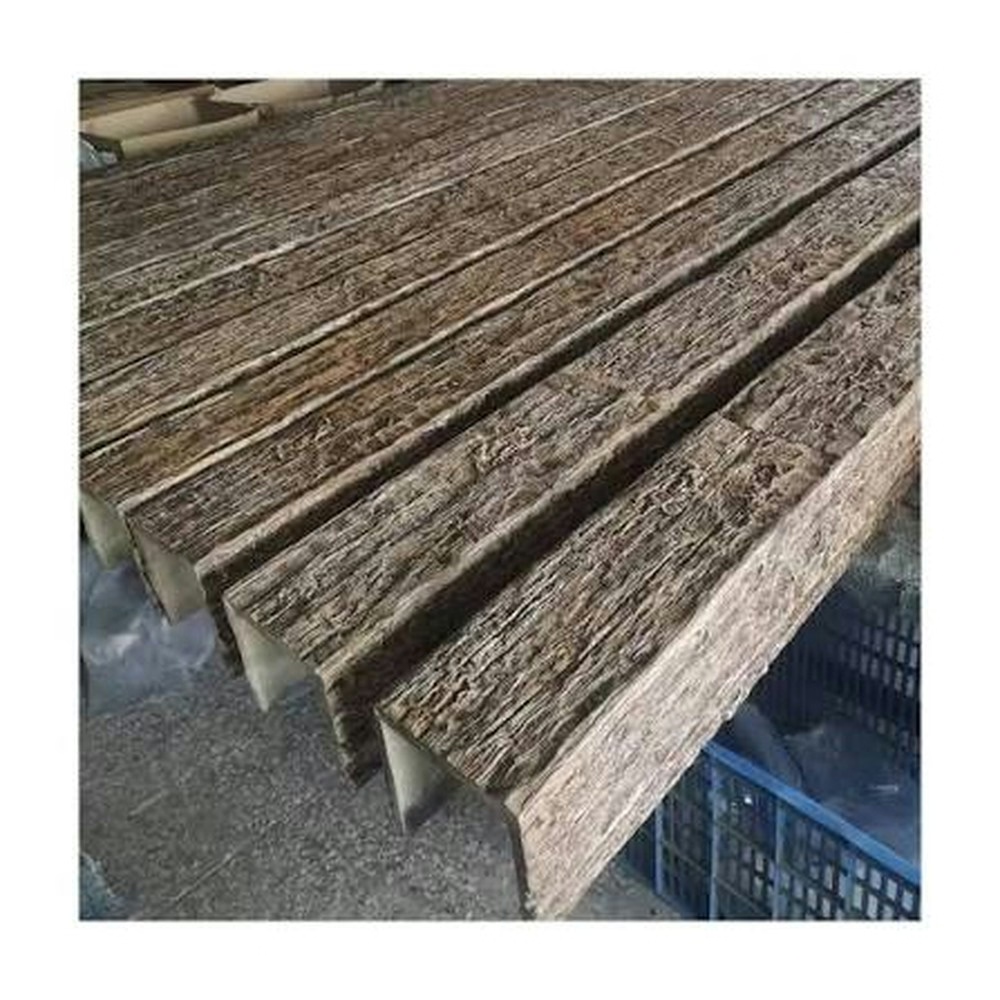
Canada Frost-Resistant Indoor & Outdoor Polyurethane Faux Wood Beams
Canadian climates present demanding conditions that challenge conventional building materials. Harsh winters with freezing temperatures, rapid thaw-freeze cycles, and significant humidity variations require construction products engineered specifically for these environmental stresses. Polyurethane faux wood beams manufactured for Canadian applications incorporate formulation adjustments that ensure reliable performance throughout these demanding seasonal transitions.
Understanding frost damage mechanisms guides appropriate material selection. When water penetrates porous materials and subsequently freezes, expansion forces create internal stresses that crack, spall, or delaminate surfaces. Traditional wood, masonry, and some composite materials all exhibit varying degrees of vulnerability to these freeze-thaw cycles. Polyurethane's closed-cell structure fundamentally resists moisture penetration, providing inherent frost resistance that other materials cannot match without specialized treatment.
Temperature Performance Specifications
Quality polyurethane beams maintain structural integrity across extreme temperature ranges. Specifications indicating performance from -40°C to +80°C cover the vast majority of Canadian climatic conditions. This thermal stability ensures beams neither become brittle in severe cold nor soften during summer heat exposure.
Cold-weather installation requires attention to material acclimation. Beams stored in heated spaces should rest within the installation environment for 24-48 hours before mounting. This equilibration prevents dimensional adjustments that temperature differentials might otherwise cause after installation.
Indoor Applications in Canadian Homes
Heated interior spaces present milder conditions than exterior applications, yet specific considerations remain relevant. Vaulted ceilings in Canadian chalets and ski cottages often feature exposed beam aesthetics that polyurethane products deliver without the weight penalties of genuine timber. Insulation improvements achieve better results when beams don't thermally bridge insulation layers.
Basement renovation projects benefit particularly from polyurethane's moisture resistance. Canadian homes frequently experience basement humidity challenges from groundwater pressure and condensation. Faux beams installed in these spaces resist the swelling, warping, and decay that plague authentic wood in similar conditions.
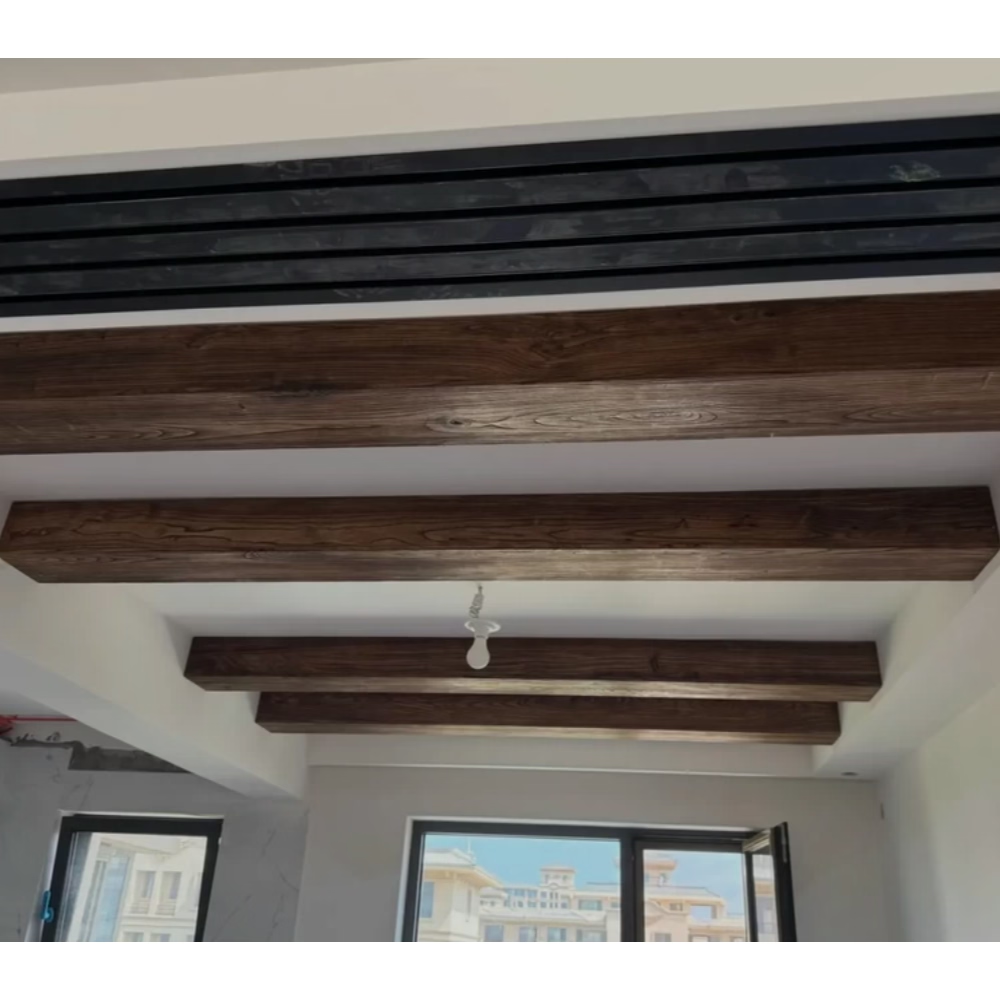
Exterior Applications and Exposure Ratings
Outdoor faux beam applications require products specifically rated for exterior exposure. UV-resistant formulations prevent the chalking, fading, and surface degradation that unprotected polyurethane experiences under intense sunlight. These UV-stabilized grades maintain color consistency and surface integrity through years of sun exposure.
Roof overhang applications place beams in challenging positions where they receive direct sun exposure while potentially collecting snow load and ice. Proper installation detailing channels water away from beam surfaces, preventing the prolonged moisture contact that could eventually compromise even moisture-resistant materials.
Winter installation of exterior beams requires careful scheduling. Adhesive curing times extend significantly in cold temperatures, and some construction adhesives lose effectiveness below +5°C. Planning installations for mild weather periods or providing temporary support until adhesives fully cure ensures secure long-term attachment.
Regional Climate Considerations
Coastal British Columbia experiences milder winters but significant rainfall throughout the year. Beam installations in these regions prioritize moisture resistance over extreme cold tolerance. Products performing well in Pacific Northwest conditions often feature enhanced fungicidal protection preventing the biological growth that prolonged moisture exposure encourages.
Prairie provinces endure extreme temperature swings between summer and winter seasons. Beams in these regions benefit from formulations that accommodate thermal movement without developing stress cracks. Quality manufacturers test products through accelerated thermal cycling simulating decades of seasonal variation.
Atlantic Canada combines freezing temperatures with salt air exposure in coastal areas. These demanding conditions require beams combining cold tolerance with salt spray resistance. Interior applications in this region still benefit from frost-resistant formulations providing insurance against occasional condensation or construction moisture.
Installation Best Practices for Cold Climates
Proper mounting hardware selection matters significantly in freeze-thaw environments. Stainless steel fasteners resist the corrosion that salt exposure promotes. Expansion anchors designed for concrete and masonry substrates accommodate the slight movement that temperature differentials create.
Sealant selection for exterior applications requires cold-flexibility ratings ensuring joints remain watertight throughout winter months. Butyl and urethane sealants maintain elasticity at temperatures well below freezing, preventing the cracks that brittle sealants develop.
Moisture management behind beam installations prevents the hidden condensation that freeze-thaw cycling amplifies. Adequate ventilation, proper flashing, and strategic placement all contribute to long-term performance in Canadian climates.
Conclusion
Canadian builders and renovators can confidently specify polyurethane faux wood beams for both interior and exterior applications when products are appropriately rated for regional conditions. Frost resistance, thermal stability, and moisture tolerance combine to deliver lasting performance that genuine timber cannot match in demanding freeze-thaw environments. These advantages make PU beams an increasingly popular choice across Canadian residential and commercial construction projects.
Technical References
ASTM standards cited in every specification
Test Data
Lab results from internal testing program
Updated 2026
Reviewed against current product specs