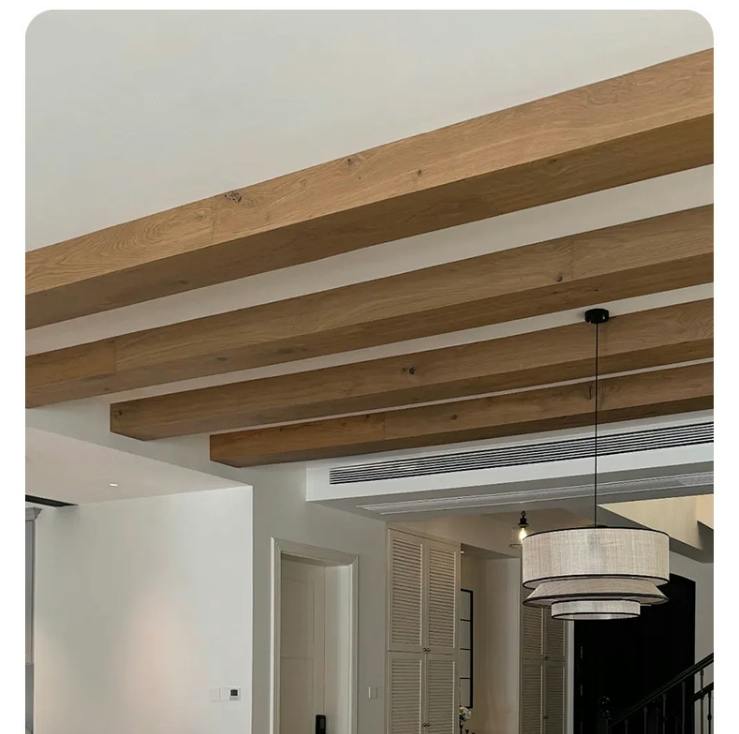
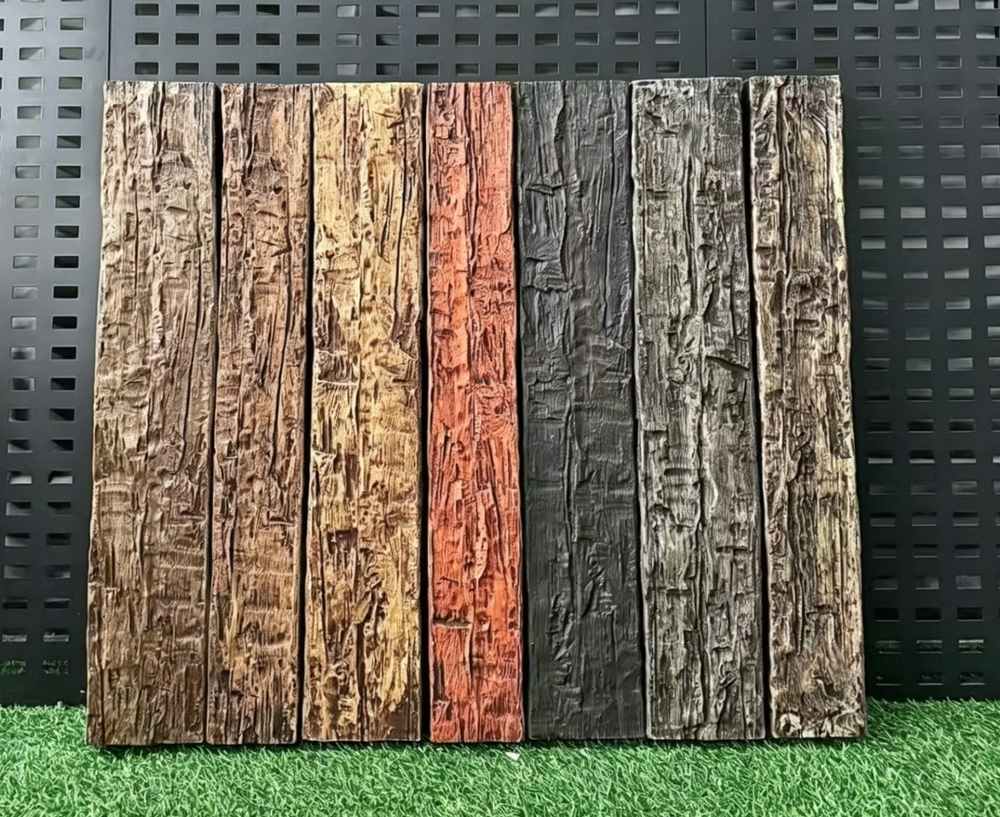
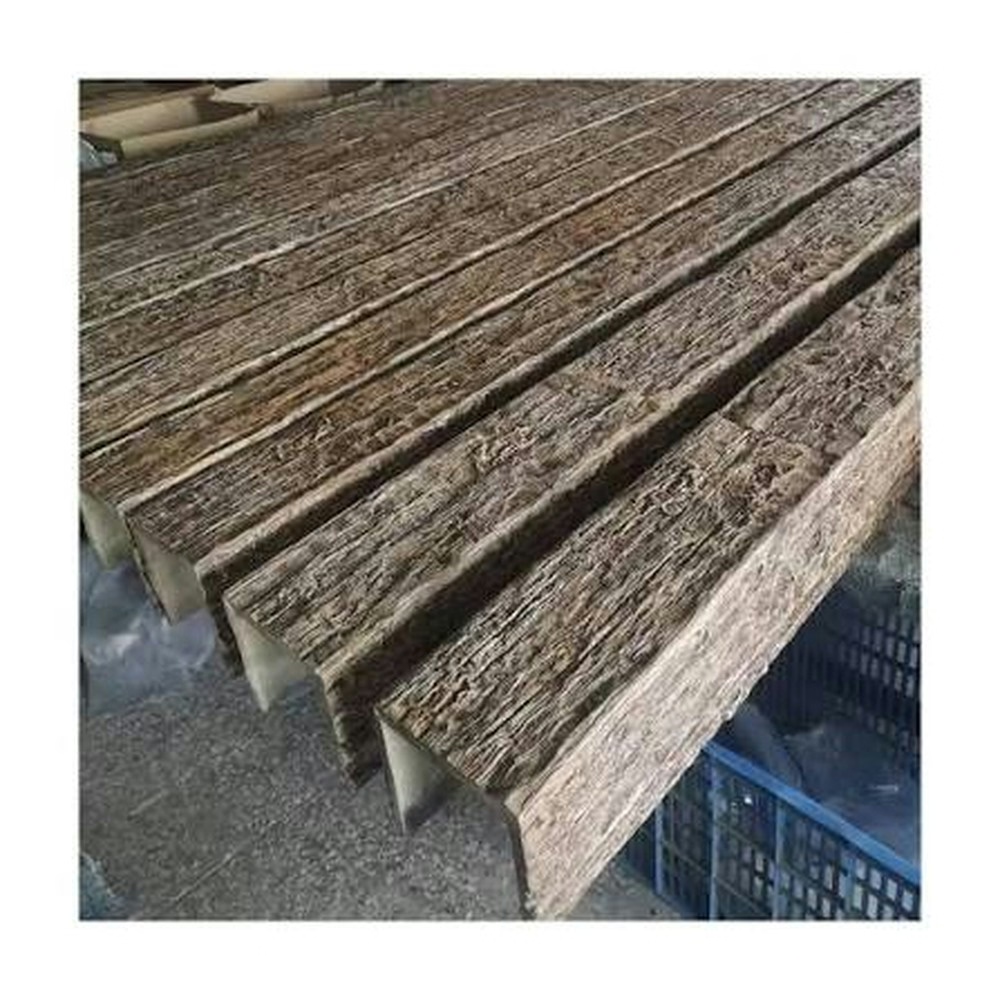
CARB Phase 2 Compliant Low-VOC Polyurethane Faux Wood Beams for California
California's stringent air quality regulations have reshaped construction material specifications throughout the state and beyond. The California Air Resources Board (CARB) Phase 2 standards establish aggressive limits on formaldehyde emissions from composite wood products, affecting everything from plywood sheathing to decorative millwork. Polyurethane faux wood beam manufacturers serving California markets have developed specialized formulations meeting these requirements while maintaining the aesthetic quality and structural performance that projects demand.
Understanding CARB Phase 2 compliance requires familiarity with the Airborne Toxic Control Measure (ATCM) governing composite wood products. This regulation, first adopted in 2007 and subsequently strengthened, sets progressively tighter formaldehyde emission limits measured in parts per million (ppm). Phase 2 limits of 0.05 ppm for hardwood plywood, 0.05 ppm for particleboard, and 0.05 ppm for medium-density fiberboard represent approximately 80-90% reductions from original Phase 1 thresholds.
Why CARB Compliance Matters for Faux Beam Products
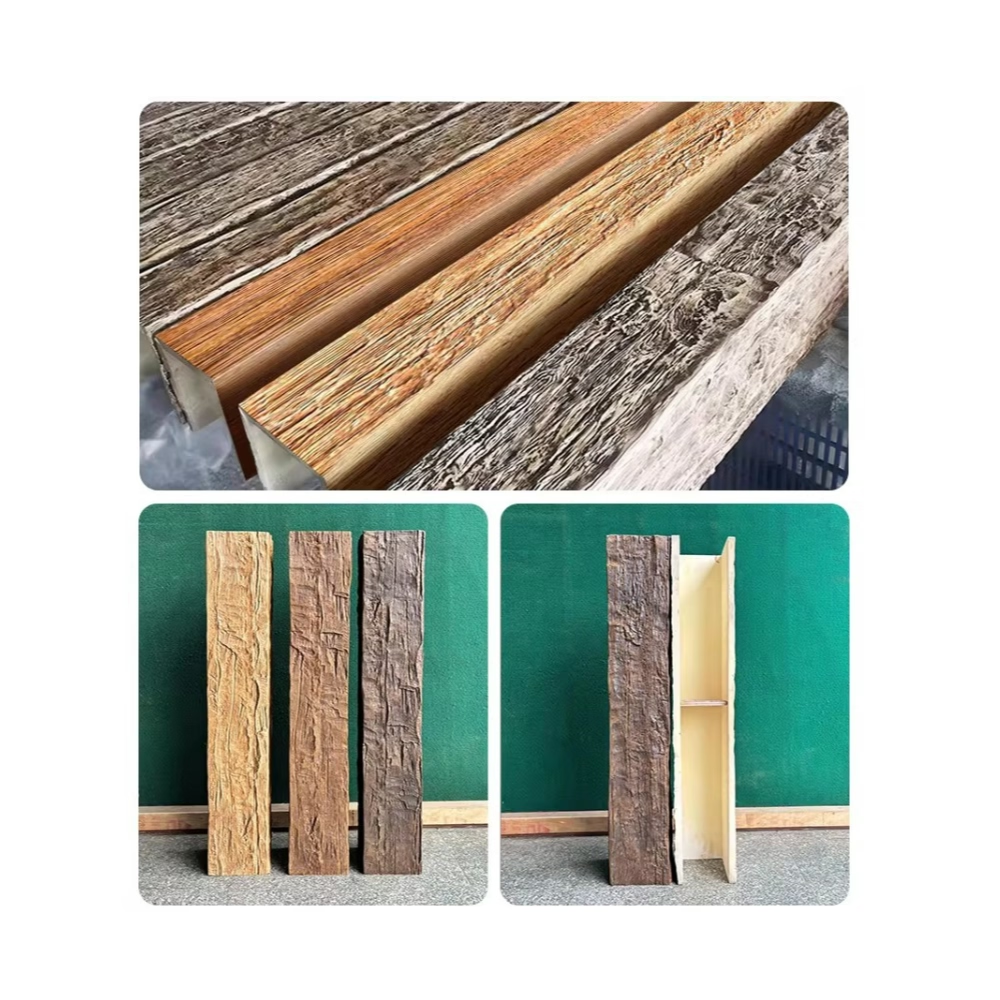
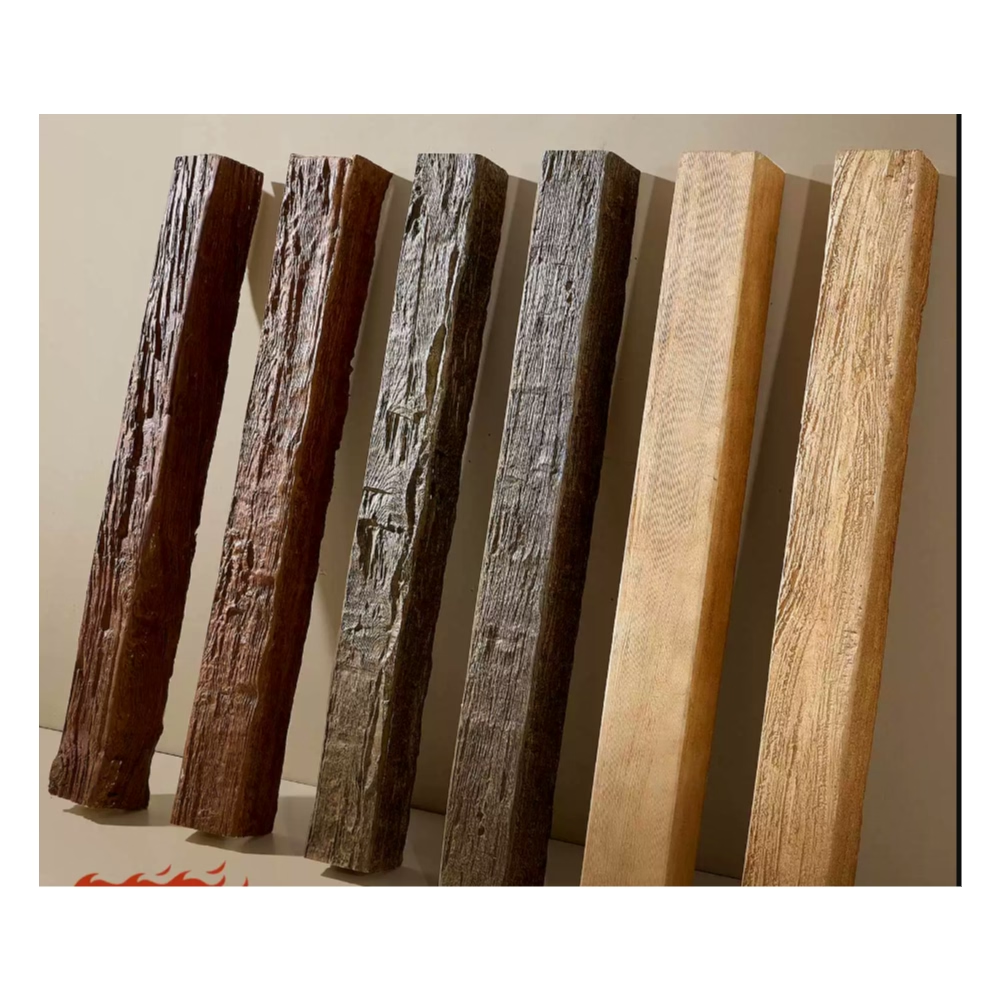
Polyurethane faux beams themselves contain minimal wood content, yet component materials and manufacturing processes may introduce formaldehyde sources requiring attention. Adhesives bonding decorative surfaces, primers preparing beams for finishing, and sealers protecting installed products all represent potential emission sources that CARB regulations address.
Responsible manufacturers eliminate or substitute problematic materials throughout their production processes. Water-based adhesives replacing urea-formaldehyde products, low-VOC primers and finishes, and carefully selected component materials ensure end products meet or exceed CARB Phase 2 requirements without premium pricing.
Documentation and Chain of Custody
California buyers should verify compliance documentation accompanies purchase orders and shipments. Third-party certification through organizations like SCS Global Services or Greenguard provides independent verification that testing has confirmed compliant emissions levels. These certifications include ongoing factory audits ensuring continued compliance rather than single batch testing.
Component declarations listing all materials and their emission characteristics help project specifiers compile documentation for building departments requiring proof of compliance. Responsible manufacturers provide these declarations readily, recognizing that California customers require transparency regarding product contents.
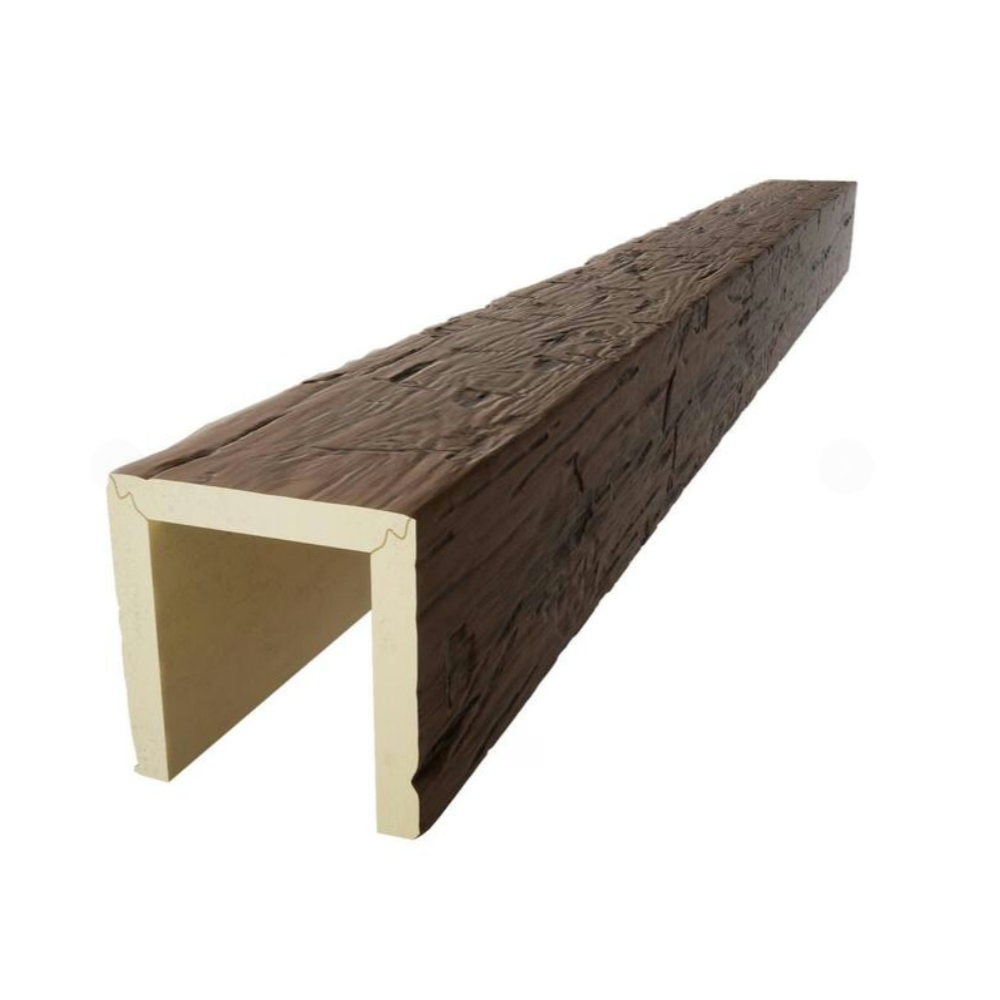
Low-VOC Finishing Systems
Beyond base material compliance, finish application significantly affects installed product emissions. Water-based stains, sealers, and topcoats emit dramatically less volatile organic compounds than their solvent-based predecessors. These modern finishing systems achieve comparable durability while protecting indoor air quality throughout application, curing, and long-term use.
Green building certification programs including LEED, CALGreen, and Living Building Challenge all reward low-VOC material selections. Projects pursuing these certifications benefit from specifying CARB-compliant beams and complementary finishing products, accumulating points that support overall certification objectives.
Health Benefits for Occupants
Formaldehyde exposure concerns extend beyond regulatory compliance to occupant health and comfort. The World Health Organization classifies formaldehyde as carcinogenic, and California's Proposition 65 requires warning labels on products with significant exposure potential. Low-VOC compliant beams eliminate these concerns, creating healthier interior environments for residential and commercial occupants alike.
Schools, healthcare facilities, and childcare centers face particularly stringent requirements given the vulnerability of their occupant populations. CARB-compliant beams provide these institutions assurance that decorative millwork contributes to rather than detracts from indoor air quality goals.
Market Availability and Sourcing
California's significant construction market has attracted numerous manufacturers offering compliant products. Domestic American manufacturers, Asian production facilities with export certifications, and European producers all serve this demanding market. Price competition among compliant products has moderated what initially seemed like premium pricing for regulated materials.
Local distribution networks provide faster delivery and reduced shipping emissions compared to overseas sourcing. California-based warehouses maintaining inventory enable rapid project fulfillment while supporting regional economic development.
Specification Language for Architects
Project specifications should reference CARB Phase 2 compliance explicitly, ensuring bidding contractors understand material requirements. Standard specification language might read: "Polyurethane faux wood beams shall be manufactured from CARB Phase 2 compliant materials and finished with low-VOC products not exceeding 50 g/L VOC content." This clarity eliminates ambiguity and ensures consistent compliance interpretation.
Submittal requirements should include manufacturer certifications, emissions test reports, and material safety data sheets. Reviewing these documents during submittal approval verifies compliance before installation rather than discovering issues afterward.
Conclusion
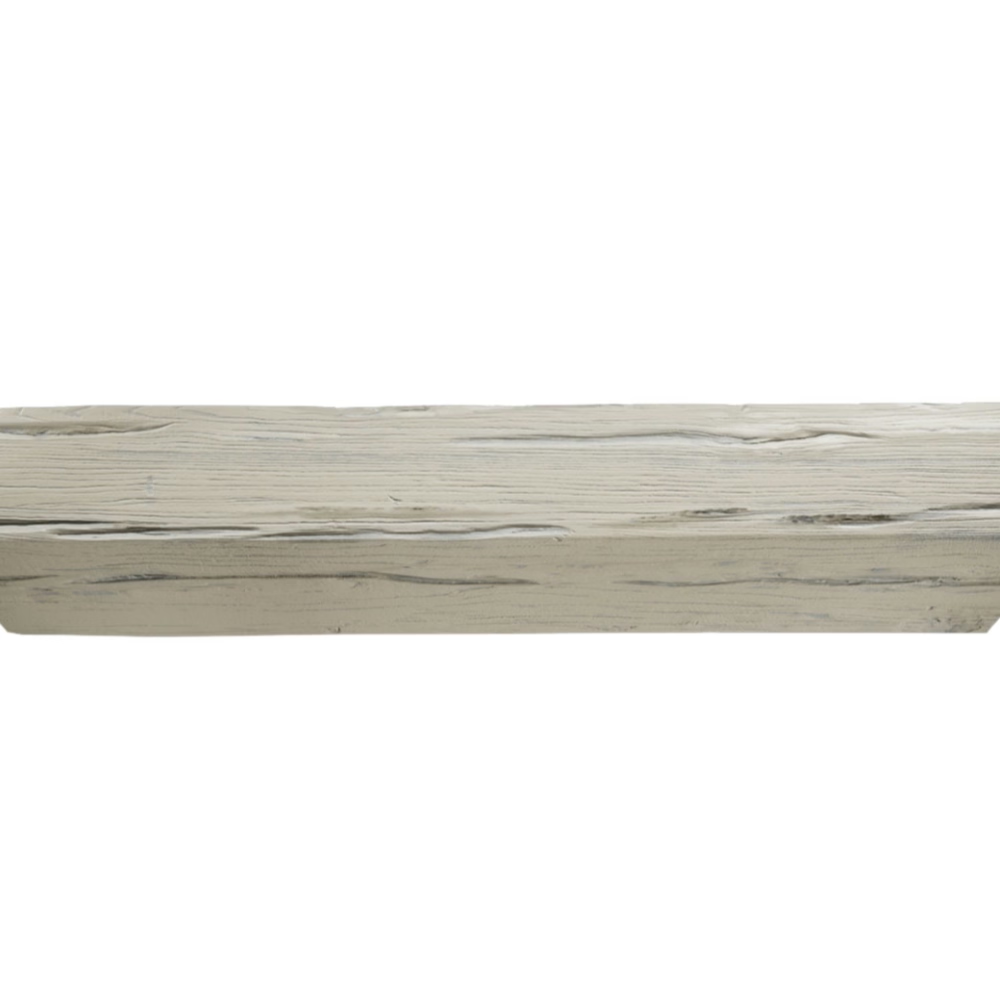
CARB Phase 2 compliant low-VOC polyurethane faux wood beams represent the responsible choice for California construction projects and environmentally conscious builders elsewhere. These products deliver the aesthetic warmth and architectural character that interior designs require while protecting occupant health and meeting regulatory requirements. As air quality awareness grows, CARB compliance will increasingly become standard expectation rather than premium feature.
Technical References
ASTM standards cited in every specification
Test Data
Lab results from internal testing program
Updated 2026
Reviewed against current product specs