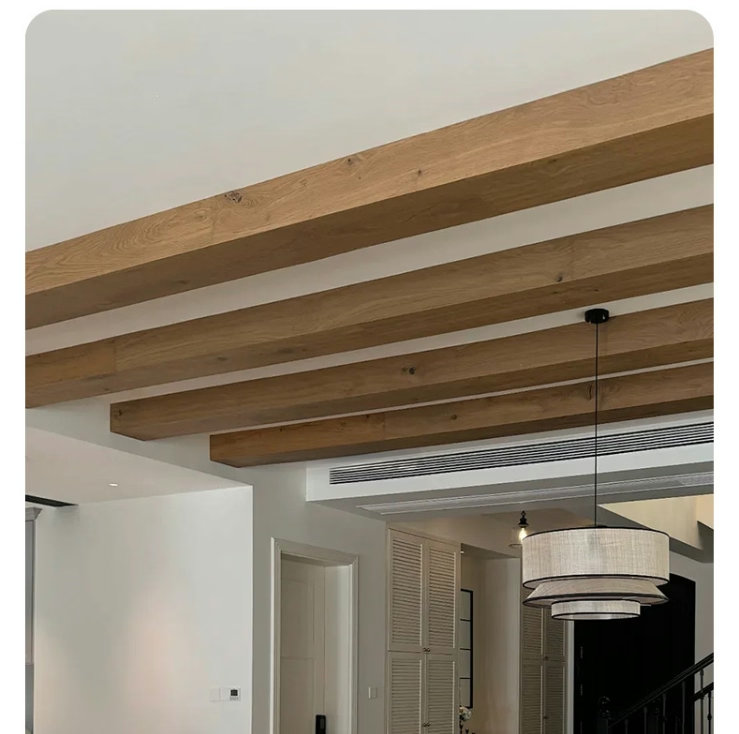
Casual Faux Timber Ceiling Beams for Modern Home Mudroom Decoration
Mudrooms occupy an awkward position in home design—practical necessity competing with aesthetic aspiration. These transition spaces handle boots, coats, bags, and the general chaos that active families generate, yet they remain visible enough to benefit from thoughtful decoration. Faux timber ceiling beams provide architectural interest in mudroom spaces while tolerating the demanding conditions that these utilitarian areas impose.
Modern mudroom design has evolved beyond bare-bones utility to embrace storage sophistication and even aesthetic charm. Homeowners increasingly invest in mudroom improvements recognizing that first impressions affect how visitors perceive entire homes. Beam installations contribute to these positive impressions while serving practical purposes that justify their cost.
Mudroom Environment Considerations
Moisture exposure represents the primary environmental challenge in mudroom applications. Wet boots, snow-covered coats, and damp pets all introduce moisture that accumulates in these spaces. Humidity levels fluctuate dramatically as doors open and close, creating condensation challenges that affect material performance.
Polyurethane faux beams resist this moisture exposure without the swelling, warping, or decay that authentic timber experiences. This resistance proves particularly valuable in colder climates where mudroom humidity spikes during winter transitions from outdoor cold to indoor warmth.
Temperature variations also stress mudroom materials. Unheated mudrooms attached to garages experience temperature swings that affect dimensional stability. Quality polyurethane formulations maintain dimensions across these ranges, preventing the gaps and separations that other materials develop.
Beam Selection for Compact Mudroom Spaces
Mudroom ceiling heights and footprints typically fall below those of primary living spaces. Appropriate beam sizing must account for these smaller dimensions while still providing visual impact. Oversized beams that work beautifully in great rooms overwhelm modest mudrooms; proportional selection ensures appropriate rather than exaggerated results.
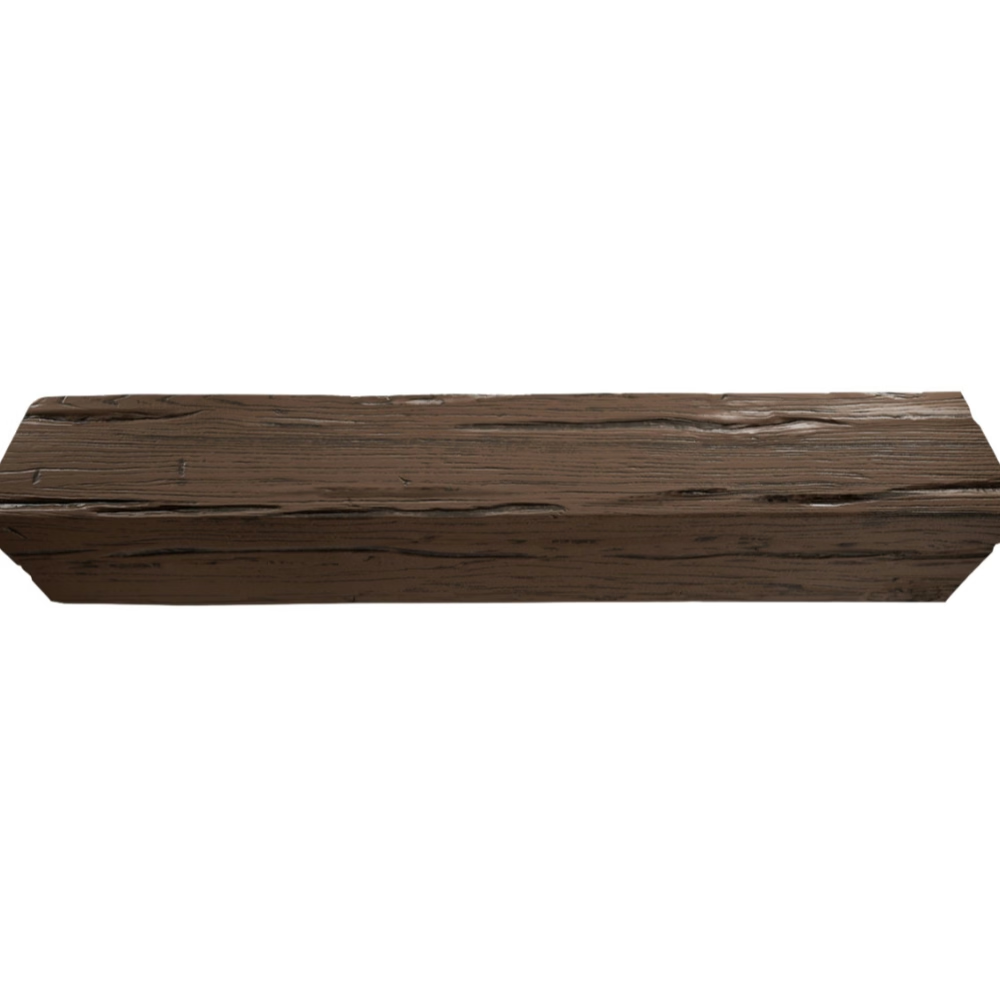
Single-beam installations work effectively in narrow mudroom configurations. One substantial beam running the length of the space provides focal interest without consuming ceiling width. This approach works particularly well in corridor-style mudrooms connecting entry doors to main living areas.
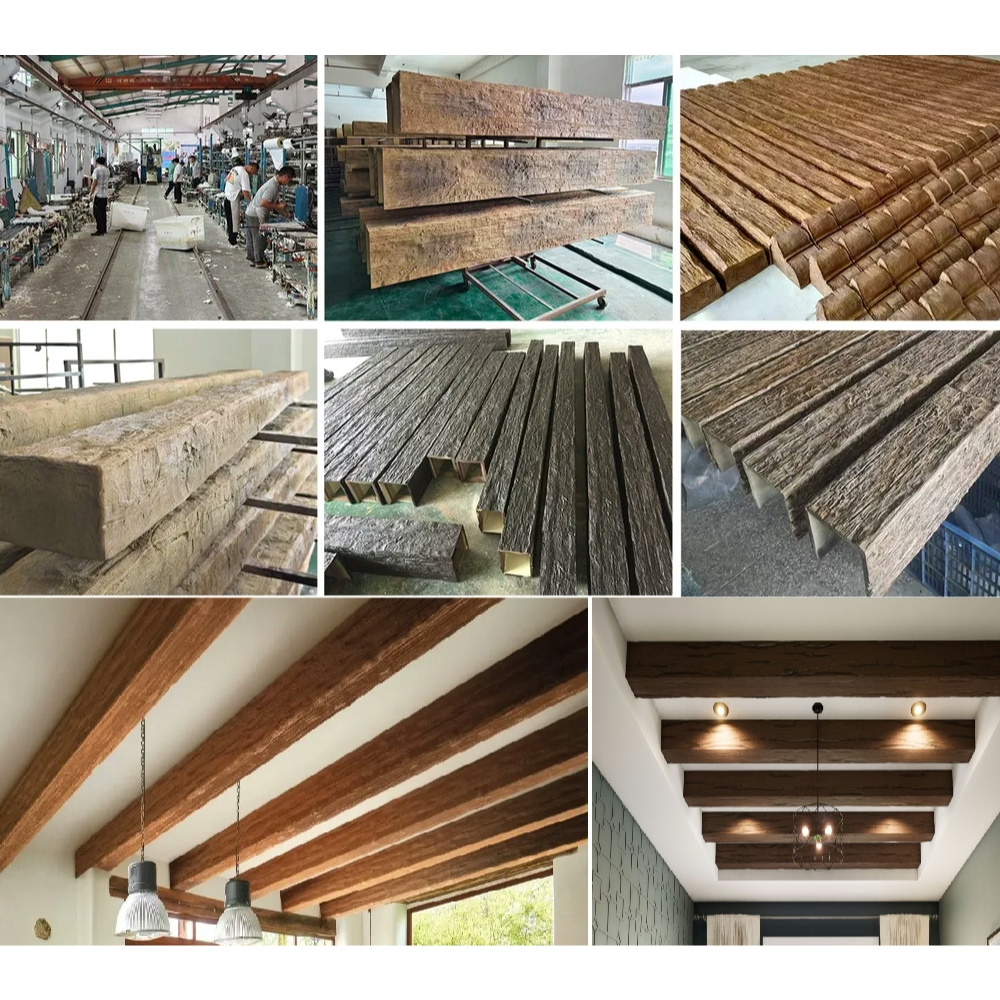
Structural wrapping transforms existing ceiling elements into design features. Steel beam columns, exposed joists, and ductwork all become candidates for beam treatment that conceals industrial aesthetics while adding character.
Style Coordination with Main Home Interiors
Design continuity between mudroom and adjoining spaces affects overall home perception. If the mudroom connects to an open kitchen or living area, beam styling should complement those spaces' treatments. Consistent finish selection, similar sizing proportions, and coordinated placement all reinforce visual connections that make homes feel more cohesive.
Distinct mudroom styling works appropriately when these spaces have closed boundaries separating them from primary living areas. Unique beam treatments creating identifiable mudroom character don't conflict with interior aesthetics when sight lines don't extend between spaces.
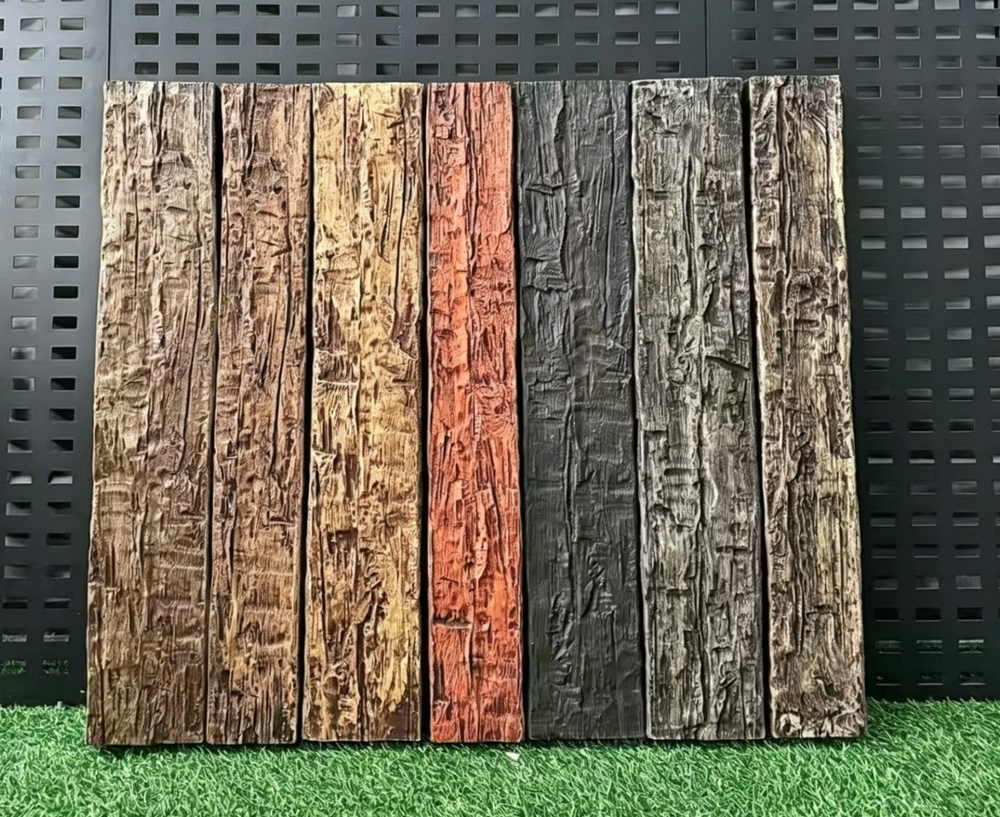
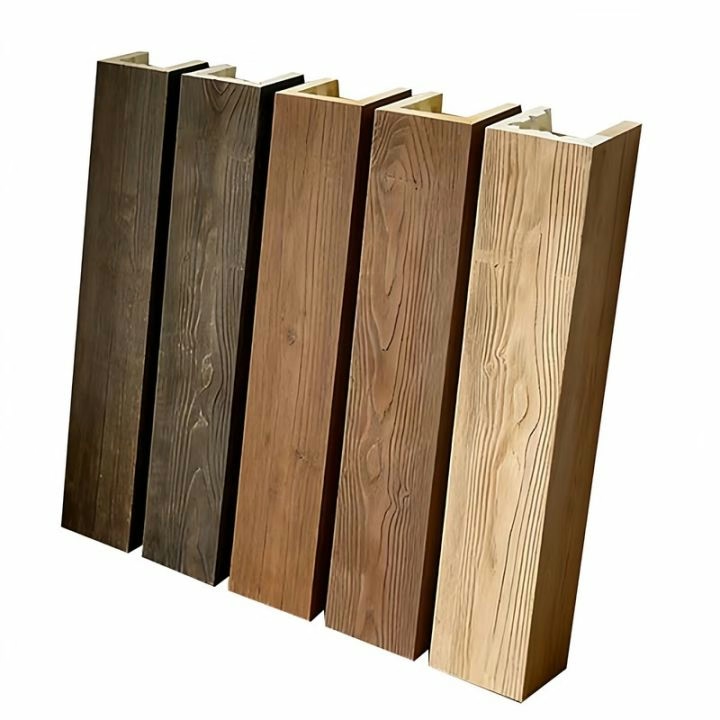
Color selection influences how mudrooms read relative to surrounding areas. Darker beam finishes ground compact mudroom spaces, providing visual weight that compensates for limited square footage. Lighter treatments maintain openness that smaller spaces benefit from.
Practical Installation Details
Mudroom access requirements affect beam placement significantly. Drop ceiling grids, attic access panels, and light fixture locations all compete for ceiling space that beam installations share. Careful layout planning before installation prevents conflicts requiring compromises that diminish either access or aesthetic results.
Lighting integration requires particular attention in mudrooms where task illumination matters for functions like finding items in cubbies or checking appearance before leaving. Recessed fixtures between beams, surface-mount fixtures on beams, and pendant fixtures from beams all provide mudroom-appropriate lighting when properly specified.
Ventilation considerations ensure adequate air circulation preventing moisture accumulation. Beam placement should not obstruct soffit vents or interfere with exhaust fan performance. Proper ventilation maintains air quality while protecting both beams and surrounding construction from moisture damage.
Storage Integration Strategies
Mudroom storage systems frequently dominate these spaces, leaving limited room for aesthetic elements. Beam installations must work around storage rather than competing with storage function. Above-storage placement—along side walls or above tall cabinets—maintains visual interest without compromising storage capacity.
Hooks, rails, and shelves mount to beam surfaces extending their utility beyond mere decoration. This integration transforms beams from purely aesthetic elements into functional contributors to mudroom organization. Weight limitations require attention, but typical mudroom items fall well within polyurethane surface capacity.
Seasonal storage transitions provide opportunities for beam-mounted decorations. Wreaths, seasonal decorations, and holiday displays attach easily to beam surfaces, adding festive touches to spaces already handling seasonal gear changes.
Maintenance and Cleaning
Mudroom cleaning frequency exceeds that of most home areas due to the dirty conditions that these spaces handle. Beam surfaces should tolerate frequent wiping, occasional wet mopping, and the general cleaning attention that muddy Paw prints and tracked snow demand.
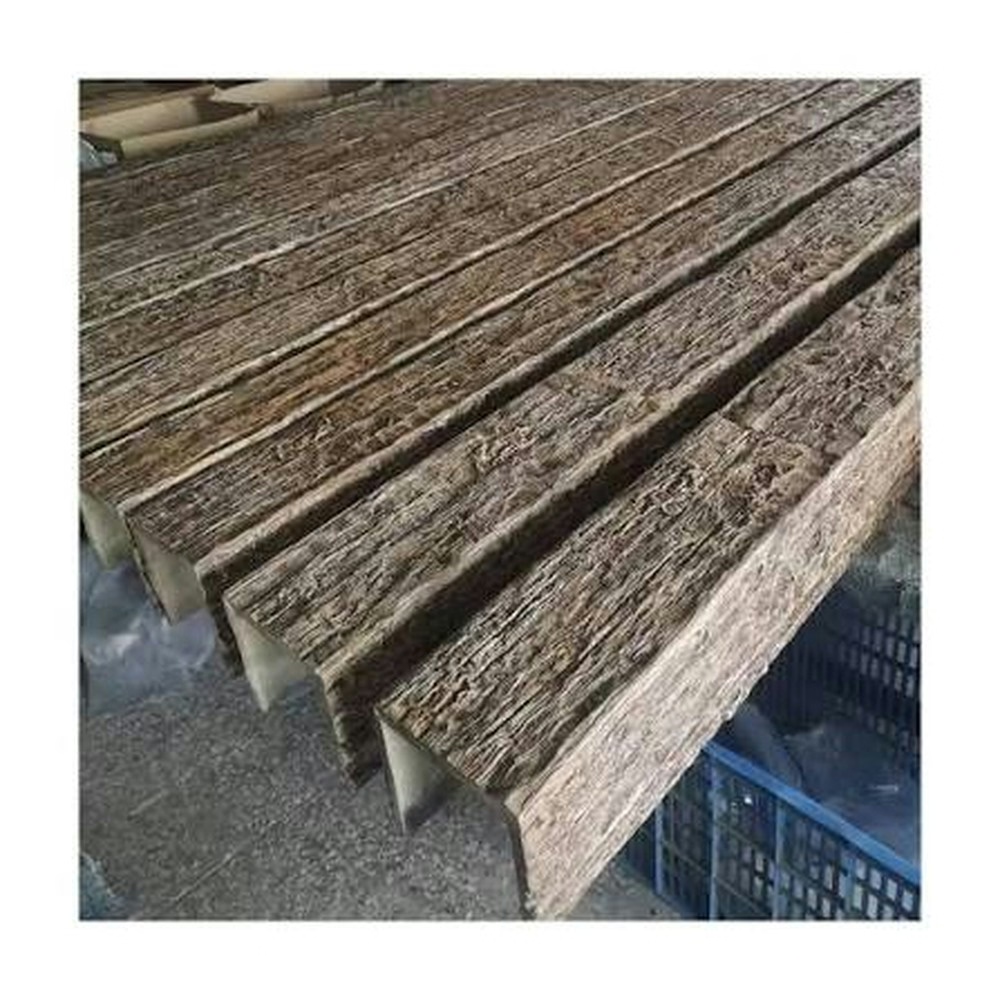
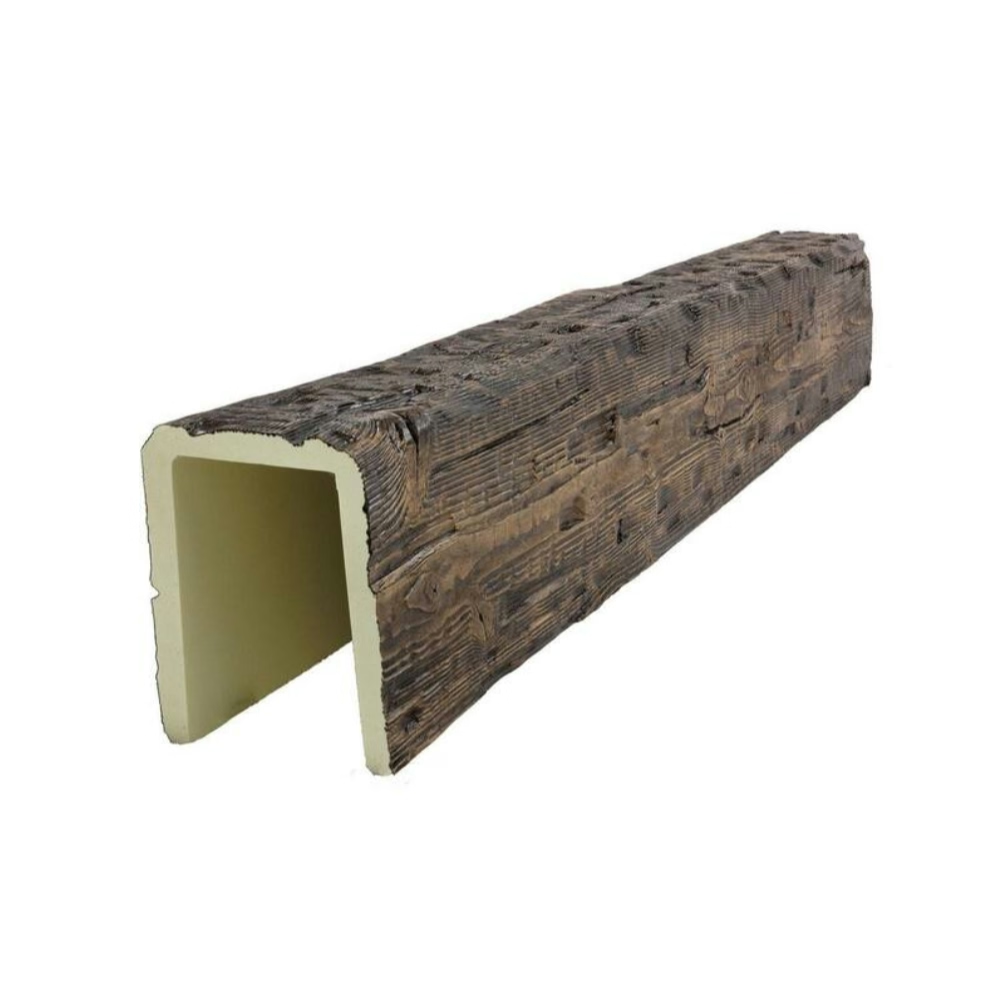
Smooth-finished beams clean more easily than heavily textured alternatives. The authentic appearance that texture provides need not compromise cleanability if surface formulation includes soil-resistant additives. Quality polyurethane beams tolerate cleaning products appropriate for these high-traffic areas.
Inspection schedules ensure ongoing performance in demanding applications. Periodic examination for damage, loosening, or moisture intrusion identifies issues before they become problems requiring major remediation.
Conclusion
Modern mudroom decoration with faux timber beams combines practical durability with aesthetic appeal that enhances these essential transition spaces. Polyurethane's moisture resistance, dimensional stability, and easy maintenance make it ideal for the demanding conditions mudrooms impose. Homeowners investing in mudroom improvement discover that beam installations deliver returns exceeding their modest cost through both functional performance and lasting visual enhancement.
Technical References
ASTM standards cited in every specification
Test Data
Lab results from internal testing program
Updated 2026
Reviewed against current product specs