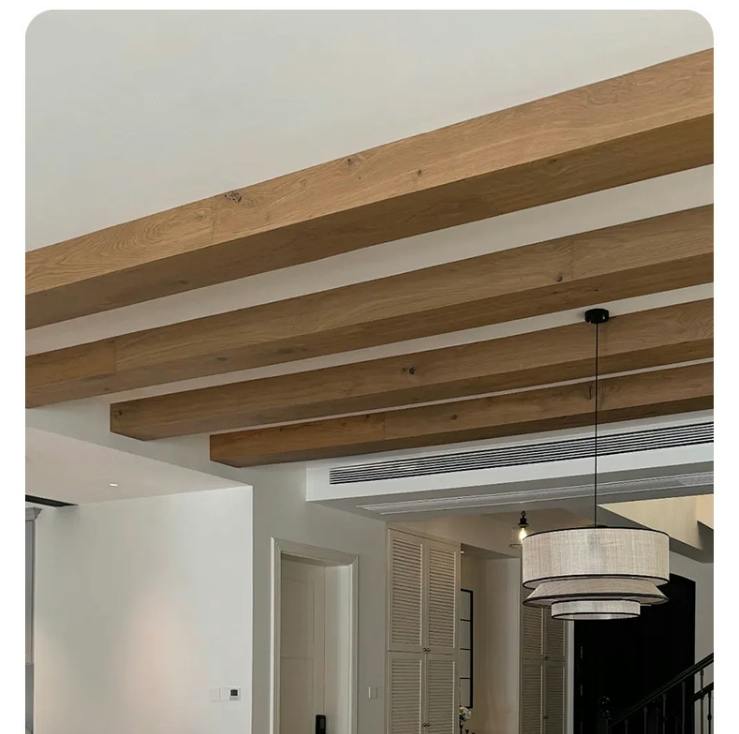
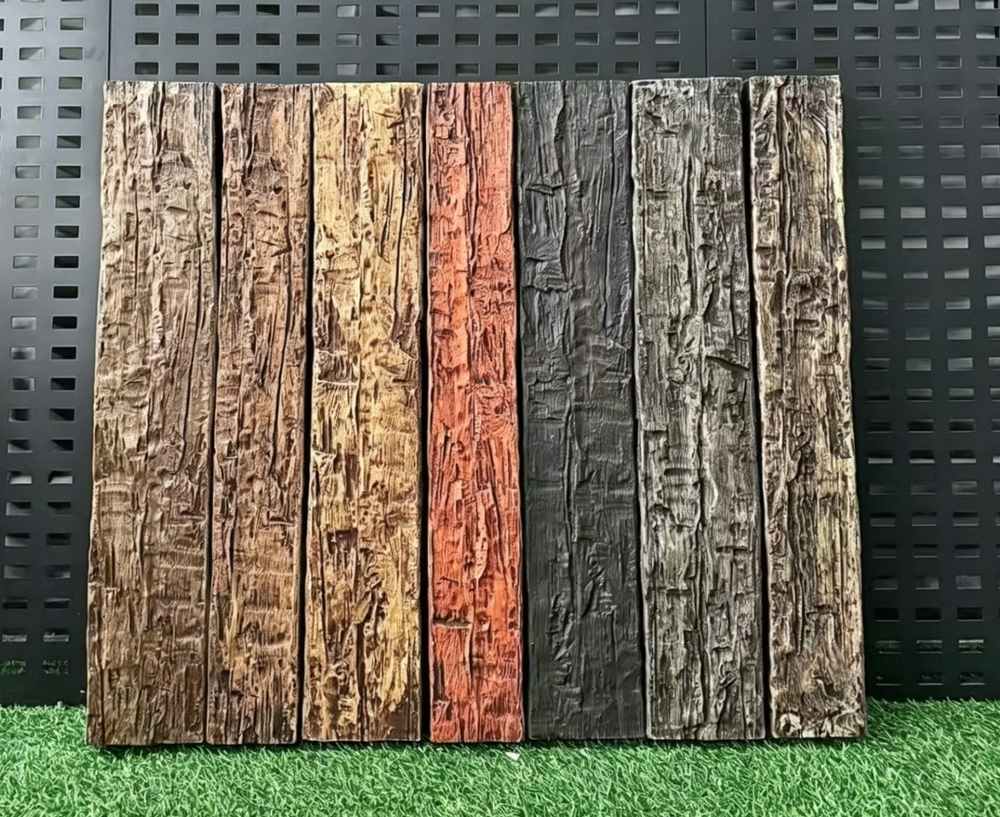
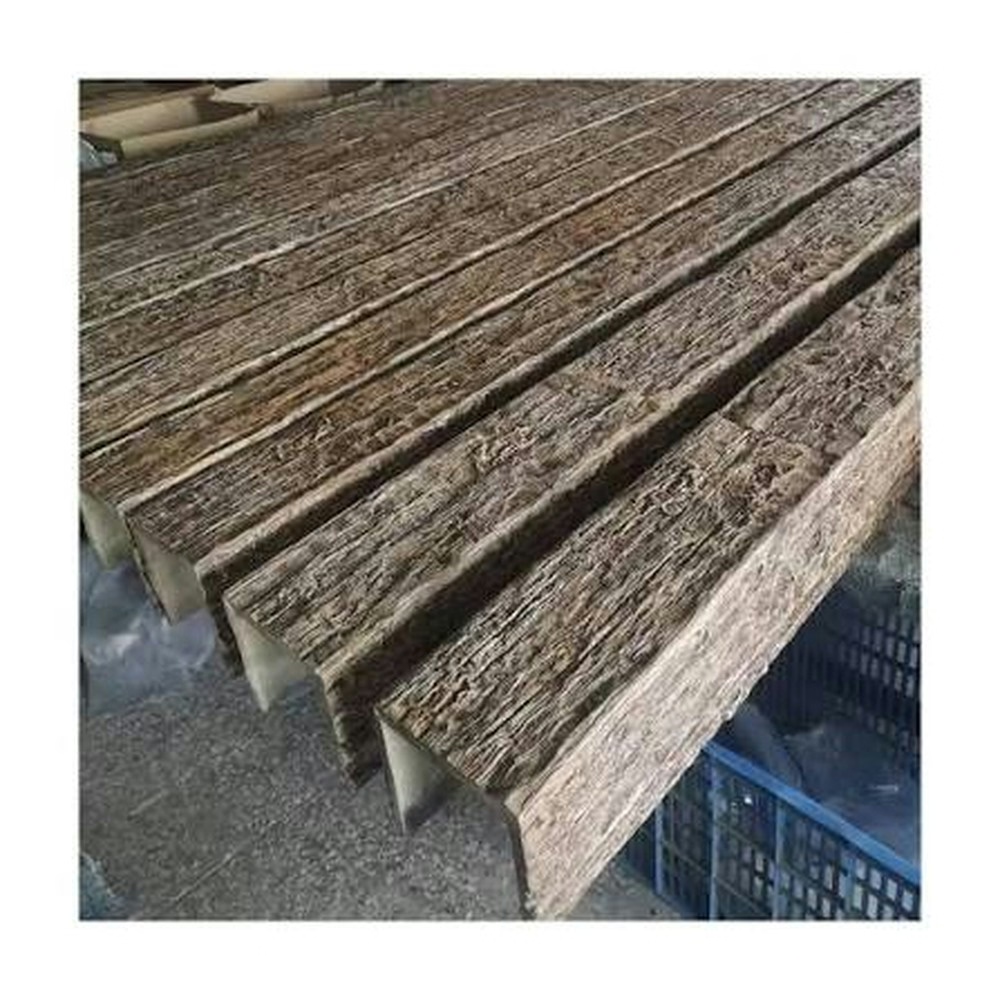
Project Scheduling: Coordinating with Electrical, HVAC, and Drywall Trades
Successful faux beam installation requires careful coordination with electrical, HVAC, and drywall trades. Understanding critical path dependencies and sequencing requirements prevents schedule delays and rework costs.
Pre-Drywall Coordination Requirements
Coordinate beam blocking installation with framers before drywall installation. Structural blocking must be placed correctly for beam mounting hardware preventing future attachment inadequacy.
Electrical Rough-In Sequence
Complete electrical rough-in for recessed lighting and ceiling fixtures before beam layout finalization. Beam locations must avoid interference with electrical boxes and wiring paths.
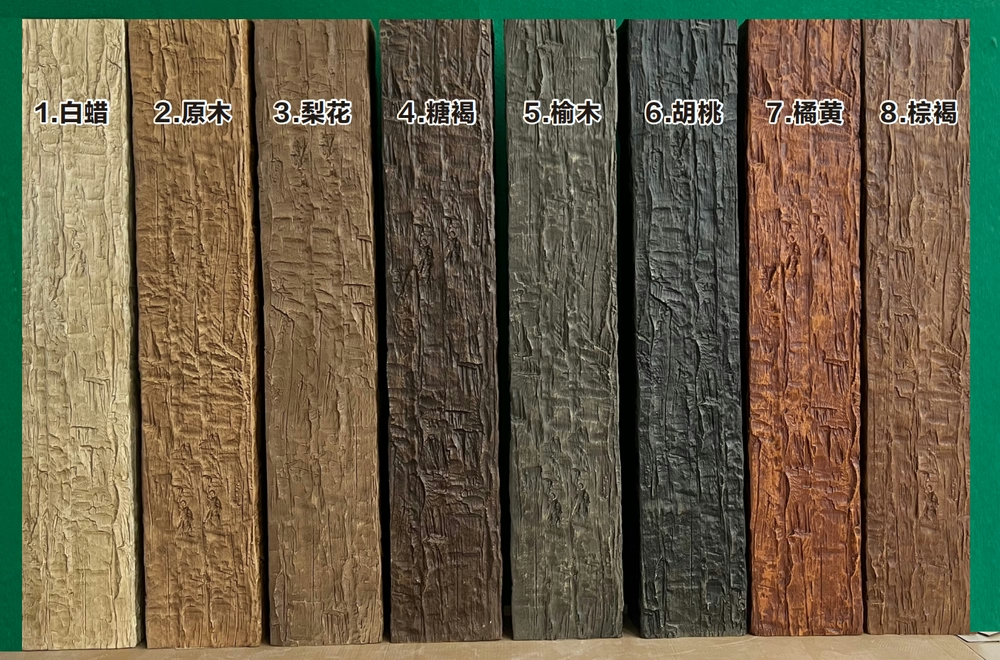
HVAC Duct Work Clearance Verification
Verify HVAC ductwork and diffuser locations before finalizing beam placement. Beams must maintain required clearances from supply and return ducts preventing airflow obstruction.
Drywall Completion Requirements
Install and finish drywall completely before beam installation begins. Unfinished drywall prevents proper beam adhesion and creates dust contamination during finishing.

Painting and Finishing Sequence
Complete ceiling and wall painting before beam installation avoiding overspray on installed beams. Touch-up painting after beam installation requires careful masking and adds schedule time.
Critical Path Impact Assessment
Beam installation typically isn't on critical path unless decorative features are project focal points. Understand critical path relationships ensuring beam delays don't impact substantial completion dates.
Float Time Utilization
Use schedule float time for beam installation allowing flexibility around other trade activities. Flexible scheduling accommodates unforeseen delays from preceding trades.
Procurement Lead Time Integration
Integrate material procurement lead times into overall project schedule ensuring beam delivery aligns with installation readiness. Early ordering prevents schedule delays from extended lead times.
Conclusion
Coordinating faux beam installation with electrical, HVAC, and drywall trades requires understanding sequencing dependencies, maintaining adequate clearances, and integrating procurement lead times. Proper coordination prevents schedule delays and costly rework maintaining project timeline and budget.
Technical References
ASTM standards cited in every specification
Test Data
Lab results from internal testing program
Updated 2026
Reviewed against current product specs