Artisan Faux Wood Beams | Custom Finish for Home Building Contractors
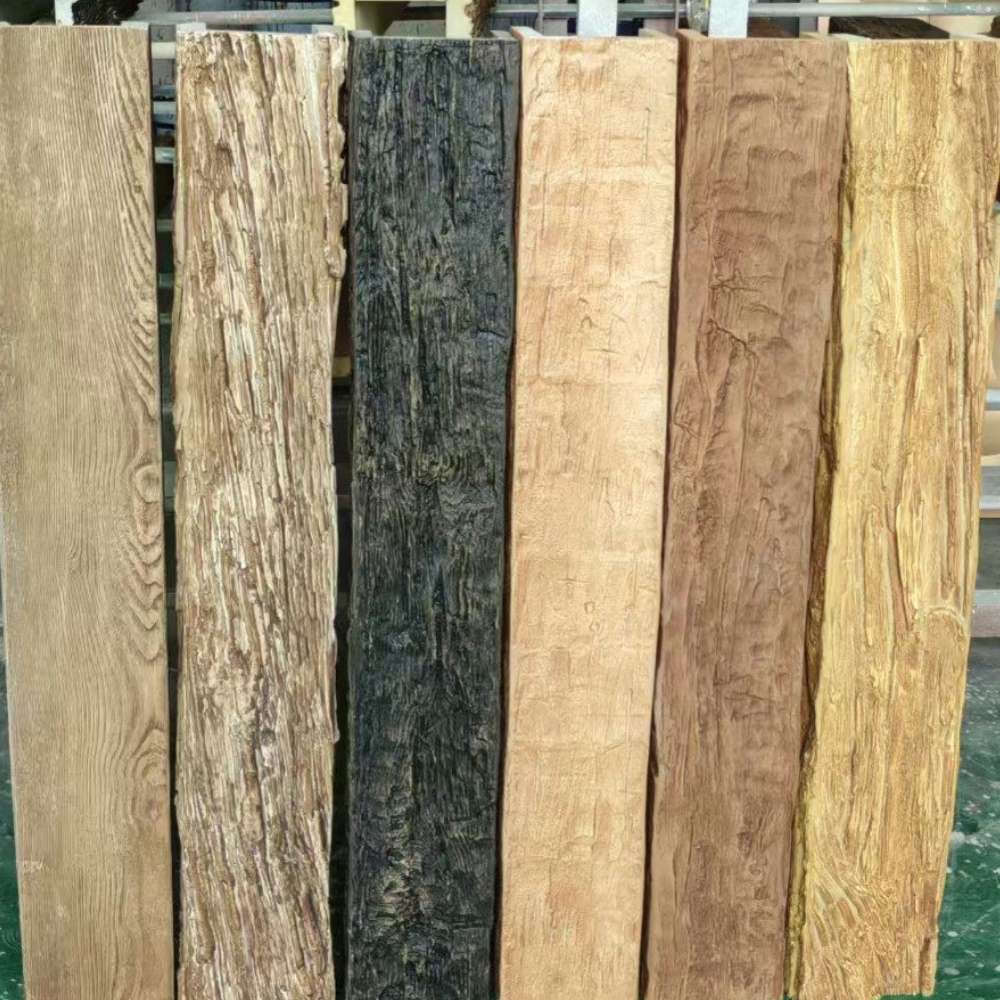
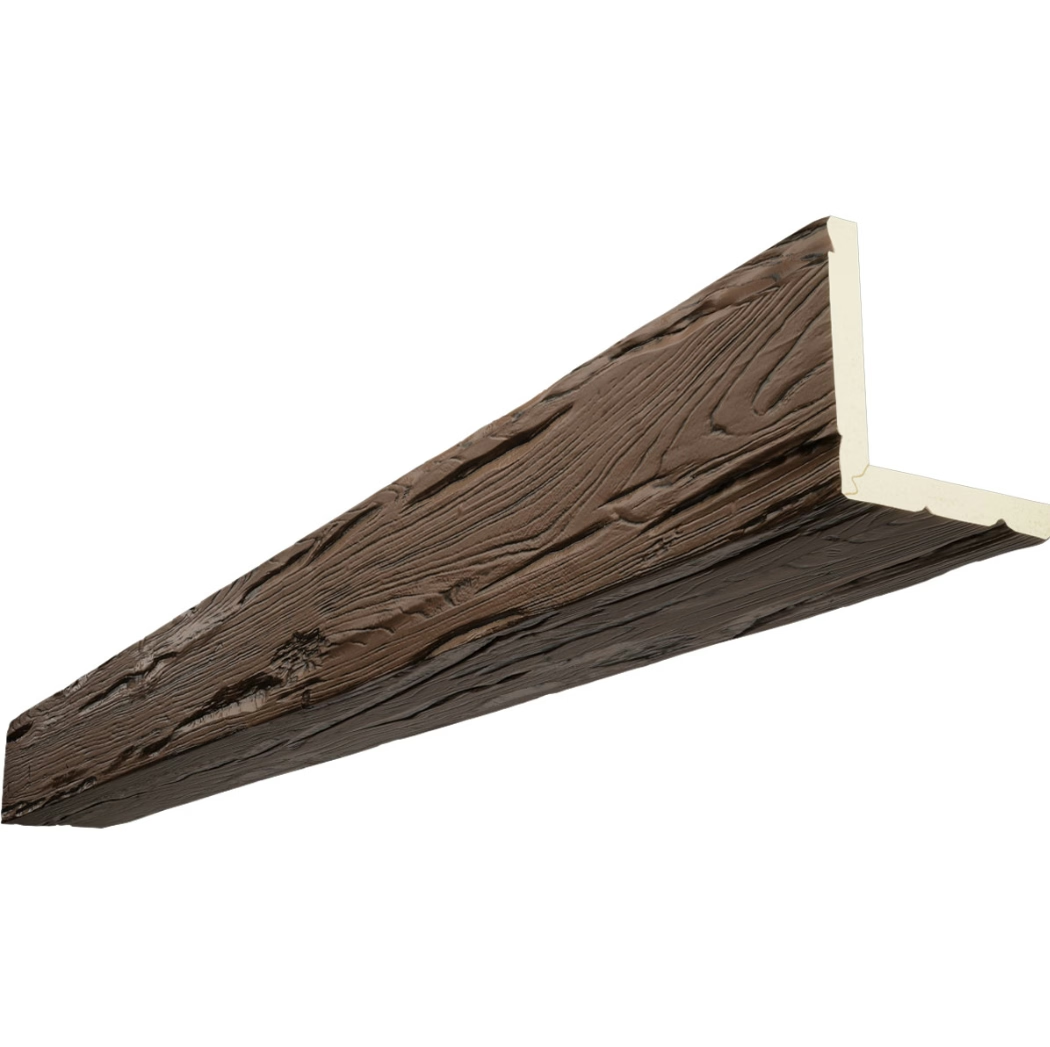
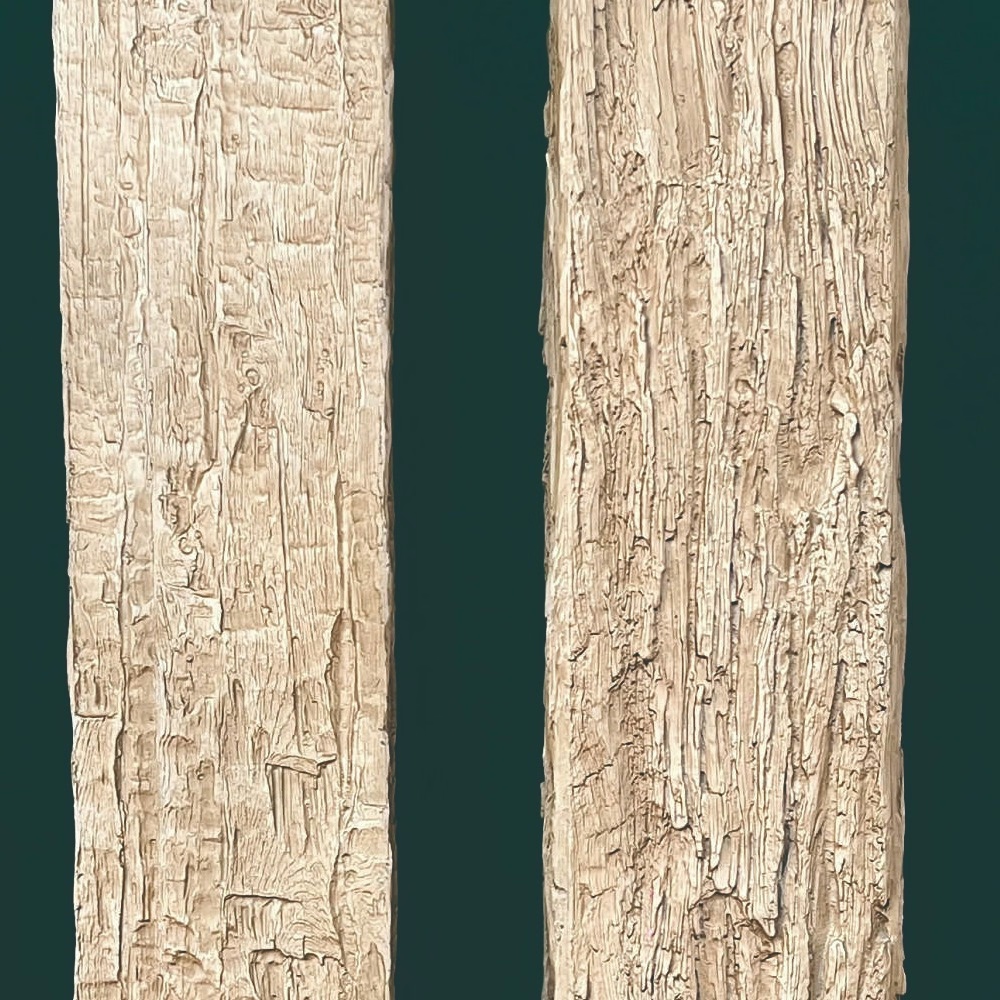
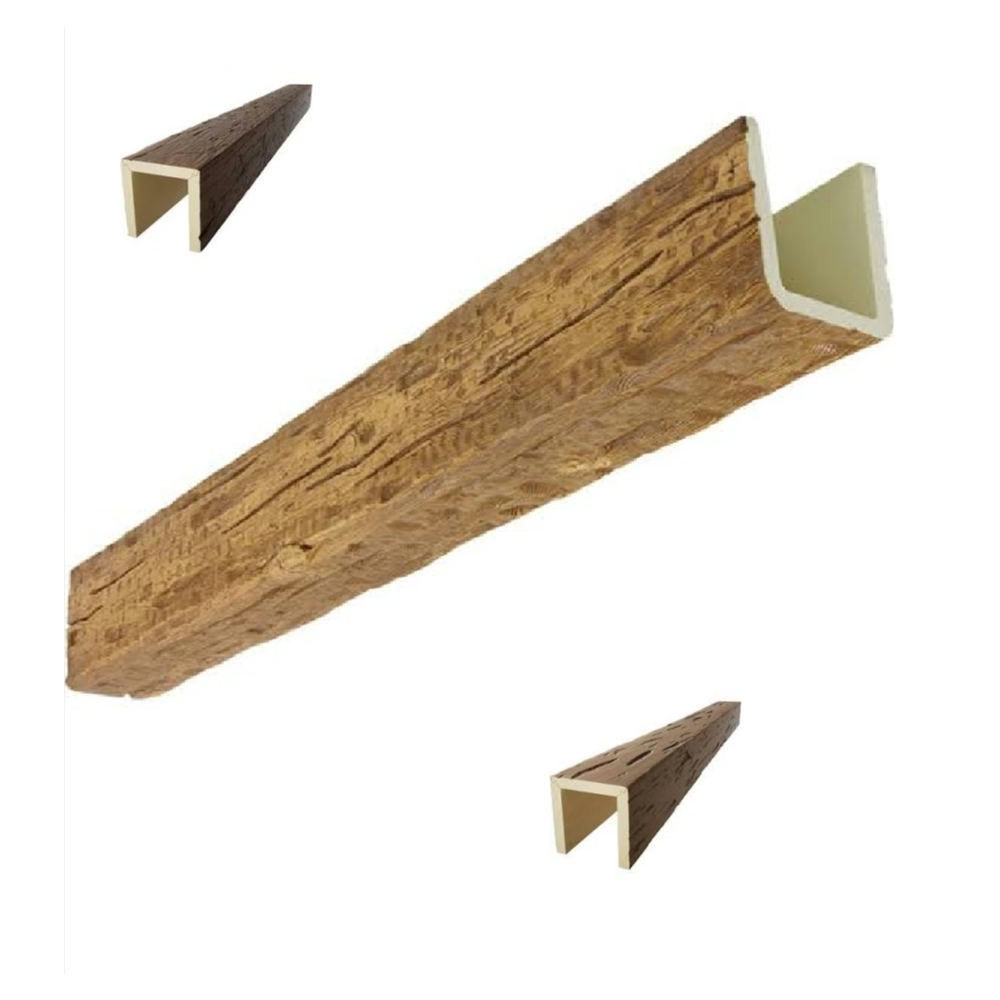
Custom finish on artisan faux wood beams means the factory applies a finish specifically developed for the project—coordinated with other woodwork in the home, designed for the room's use case, and produced to match the home's design intent. For home building contractors, custom finish involves understanding the multi-coat finishing process, the chemistry options, the durability matrix, and how custom finish integrates with home builder operations.
This is what custom finish means for artisan faux wood beams from the home building contractor's perspective, the multi-coat process, the chemistry options, and how custom finish integrates with home builder work.
What custom finish means
A custom finish on artisan faux wood beams involves:
Factory-applied
The finish is applied at the factory, not on-site:
- Consistent application environment.
- Quality control during application.
- Curing in controlled conditions.
- Documentation of the finish system.
Factory application produces consistent quality.
Custom developed
The finish is developed specifically for the project:
- Color matched to project references.
- Sheen matched to project specifications.
- Multi-layer application per the design intent.
- Documentation of the custom formula.
Custom development produces accurate design intent.
Coordinated with other finishes
The finish coordinates with other woodwork:
- Matched to flooring.
- Matched to cabinetry.
- Matched to trim and millwork.
- Coordinated with the room's overall palette.
Coordination produces cohesive interior design.
Appropriate for the application
The finish is appropriate for the room's use case:
- High-durability for high-use rooms.
- Specific sheen for design intent.
- Chemical resistance for specific applications.
- UV stability for sun-exposed rooms.
Application-appropriate finish produces long-term satisfaction.
The multi-coat finishing process
For artisan faux wood beam custom finish, the multi-coat process includes:
Surface preparation
Before finishing, the beam surface is prepared:
- Inspection for defects.
- Surface cleaning.
- Light scuff or texture to improve adhesion.
- Quality verification.
Surface preparation supports finish adhesion.
Base color coat
The base color is applied:
- Stain or pigment application.
- Spray, wipe, or brush application per the design.
- Dry time per the product specifications.
- Quality inspection.
Base color establishes the dominant tone.
Secondary tones
Secondary tones add depth:
- Hand-applied color variations.
- Glazing or layering techniques.
- Selective emphasis of grain features.
- Quality inspection.
Secondary tones create visual complexity.
Highlight and shadow accents
Highlight and shadow accents create dimension:
- Light tones for highlights.
- Dark tones for shadows.
- Selective application for character.
- Quality inspection.
Accents create depth and character.
Weathering or aging effects
For aged or weathered looks:
- Chalk wash applications.
- Worn edge effects.
- Paint traces for reclaimed looks.
- Quality inspection.
Weathering effects produce the aged appearance.
Sealer or topcoat
The protective sealer or topcoat is applied:
- Appropriate chemistry per the durability requirement.
- Sheen level per the design specification.
- Multiple coats per the durability requirement.
- Quality inspection.
The sealer protects the finish and provides the final sheen.
Curing
The finished beam cures:
- Controlled environment at the factory.
- Full cure time per the product specifications.
- Verification of full cure before packaging.
- Quality documentation.
Curing produces the durable finish.
Finish chemistry options
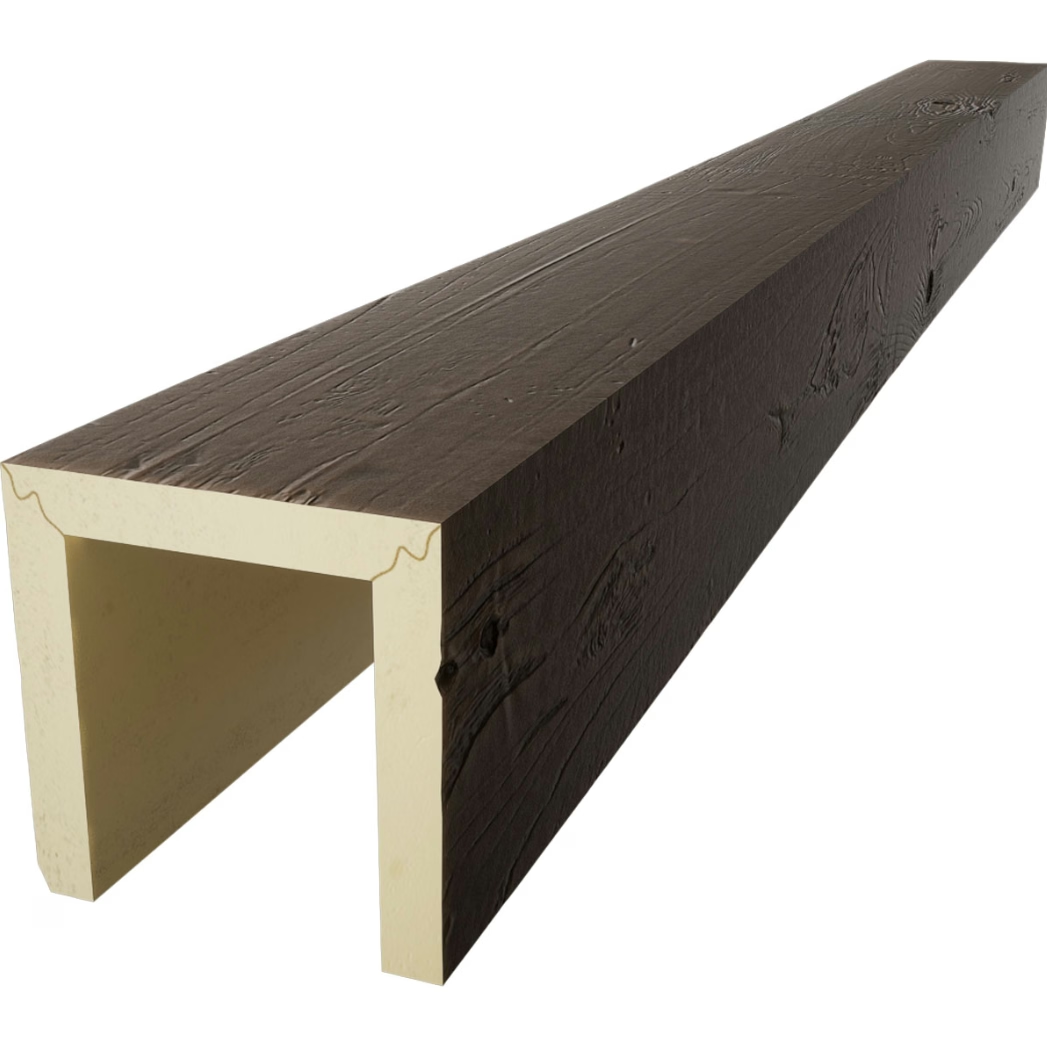
For custom finish on artisan faux wood beams, several chemistry options exist:
Water-based acrylic
Characteristics:
- Low VOC (typically <50 g/L).
- Fast dry time.
- Good color stability.
- Moderate durability.
Best for: Interior applications with VOC restrictions, fast turnaround projects.
Water-based polyurethane
Characteristics:
- Low to moderate VOC.
- Good durability.
- Chemical resistance.
- Clear or amber tones.
Best for: High-traffic residential, commercial interiors, cleanable finishes.
Solvent-based polyurethane
Characteristics:
- Higher VOC.
- Highest durability.
- Best chemical resistance.
- Amber tones.
Best for: Commercial applications, high-use areas, maximum durability.
Wax finishes
Characteristics:
- Soft sheen.
- Easy to apply.
- Less durable.
- Authentic appearance.
Best for: Rustic or artisan looks, low-use areas.
Oil finishes
Characteristics:
- Penetrating finish.
- Natural appearance.
- Moderate durability.
- Periodic maintenance.
Best for: Rustic or natural looks, low-use areas.
Conversion varnish
Characteristics:
- Very high durability.
- Professional finish.
- Higher cost.
- Chemical resistance.
Best for: Premium commercial applications, maximum durability.
UV-stabilized finishes
Characteristics:
- Enhanced UV resistance.
- Color stability under sun exposure.
- Available in multiple chemistries.
Best for: Exterior applications, sun-exposed interior applications.
Durability matrix for finishes
For custom finish selection, the durability matrix:
| Finish Type | Durability | Maintenance | Best Application |
|---|---|---|---|
| Water-based acrylic | Moderate | Low | Interior, low-use |
| Water-based polyurethane | High | Low | Interior, high-use |
| Solvent-based polyurethane | Very high | Low | Commercial, high-use |
| Wax | Low | Moderate | Rustic, low-use |
| Oil | Moderate | Periodic | Natural looks |
| Conversion varnish | Very high | Low | Premium commercial |
| UV-stabilized | High | Low | Exterior, sun-exposed |
The matrix guides finish selection per the application.
How custom finish integrates with home builder operations
For home building contractors, custom finish integration involves:
Specification development
The contractor and the factory develop the finish specification:
- Reference samples from the project's other finishes.
- Color and sheen specifications.
- Durability requirements per the room's use case.
- Documentation requirements.
Sample approval
The factory produces finish samples:
- Multiple sample iterations as needed.
- Coordination with the homeowner or designer.
- Documentation of the approved finish.
Production
The factory produces the beams with the custom finish:
- Multi-coat application per the approved specification.
- Quality control during application.
- Replacement stock held with the same finish.
Installation
The contractor installs the finished beams:
- Standard cleat mounting.
- Coordination with other finish work.
- Touch-up for any field damage.
Warranty
The contractor and the factory support the finish:
- Finish warranty per the chemistry specifications.
- Care and maintenance guidance.
- Touch-up materials for field repairs.
Pricing for custom finish artisan beams
Pricing for custom finish artisan beams typically includes:
Custom finish development fee
- $300 to $800 per finish specification.
- Often includes 1 to 3 iteration cycles.
Per-piece pricing premium
- 10 to 30 percent above standard finish.
- Higher for complex multi-layer finishes.
- Lower for simple custom color or sheen.
Total premium
For a typical home builder project with custom finish beams:
- Custom finish development: $300 to $800.
- Per-piece premium: 10 to 30 percent of beam material cost.
- Total premium: $500 to $3,000 above standard finish pricing.
Lead times for custom finish
Lead times for custom finish vary by complexity:
- Custom color only: 10 to 20 business days.
- Custom color and sheen: 15 to 25 business days.
- Complex multi-layer finish: 20 to 35 business days.
Lead times affect project scheduling.
Common pitfalls in custom finish artisan projects
A few issues that come up often enough to flag:
- Insufficient reference materials. Vague references produce mismatched finishes.
- Skipping sample iteration. Rushing through sample approval produces mismatched results.
- Wrong finish chemistry for application. Finish inappropriate for the room's use case.
- Insufficient lead time. Custom finishes require longer lead times.
- No documented reference for reorders. Subsequent reorders may not match without documentation.
How home building contractors evaluate custom finish suppliers
For home building contractors evaluating custom finish suppliers:
- Finish development capability. The supplier has skilled finish specialists.
- Sample quality. The supplier's samples demonstrate high-quality finish reproduction.
- Quality consistency. The supplier maintains finish consistency across production.
- Lead time reliability. The supplier meets custom finish lead times.
- References. The supplier has done comparable custom finish work.
Artisan faux wood beams custom finish for home building contractors is a category where the multi-coat process, the finish chemistry selection, and the quality consistency all need to align. The right supplier produces custom finishes that match the project's design intent and hold up over time. The wrong one produces finishes that don't quite match or vary across production runs.
Technical References
ASTM standards cited in every specification
Test Data
Lab results from internal testing program
Updated 2026
Reviewed against current product specs