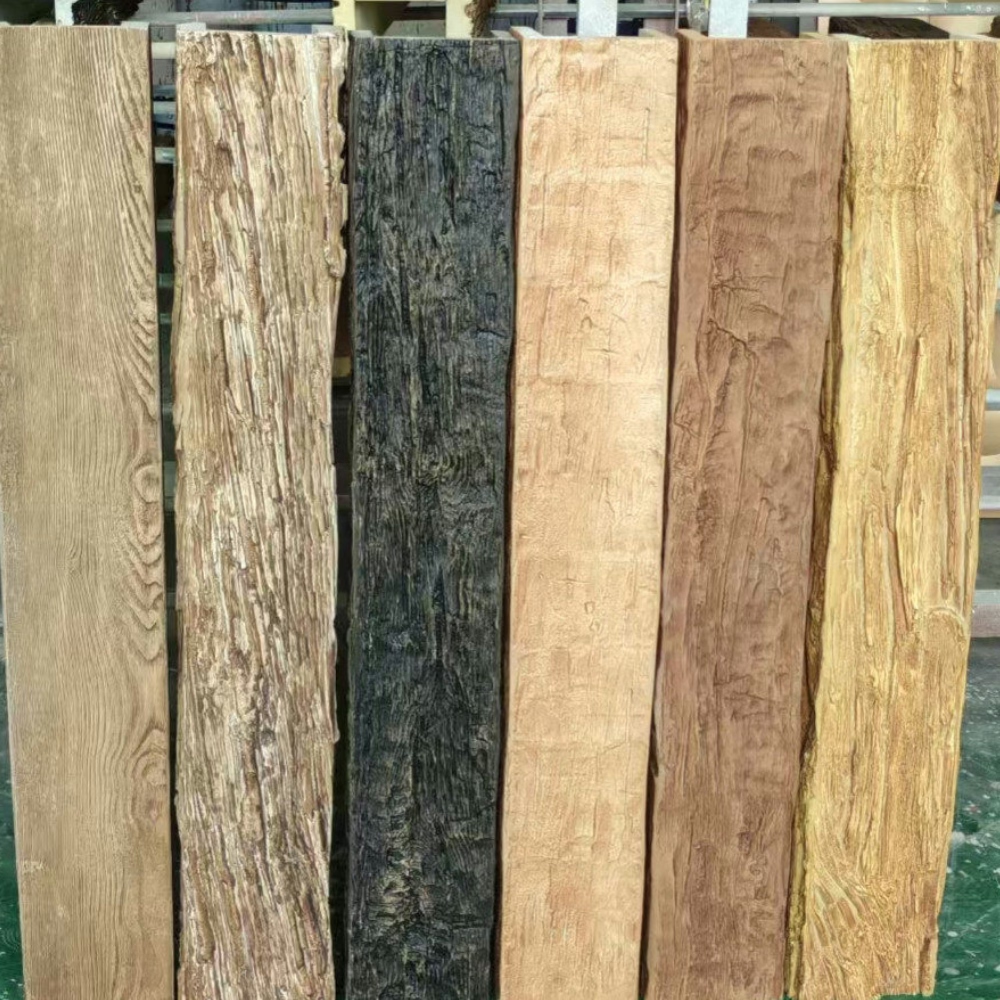
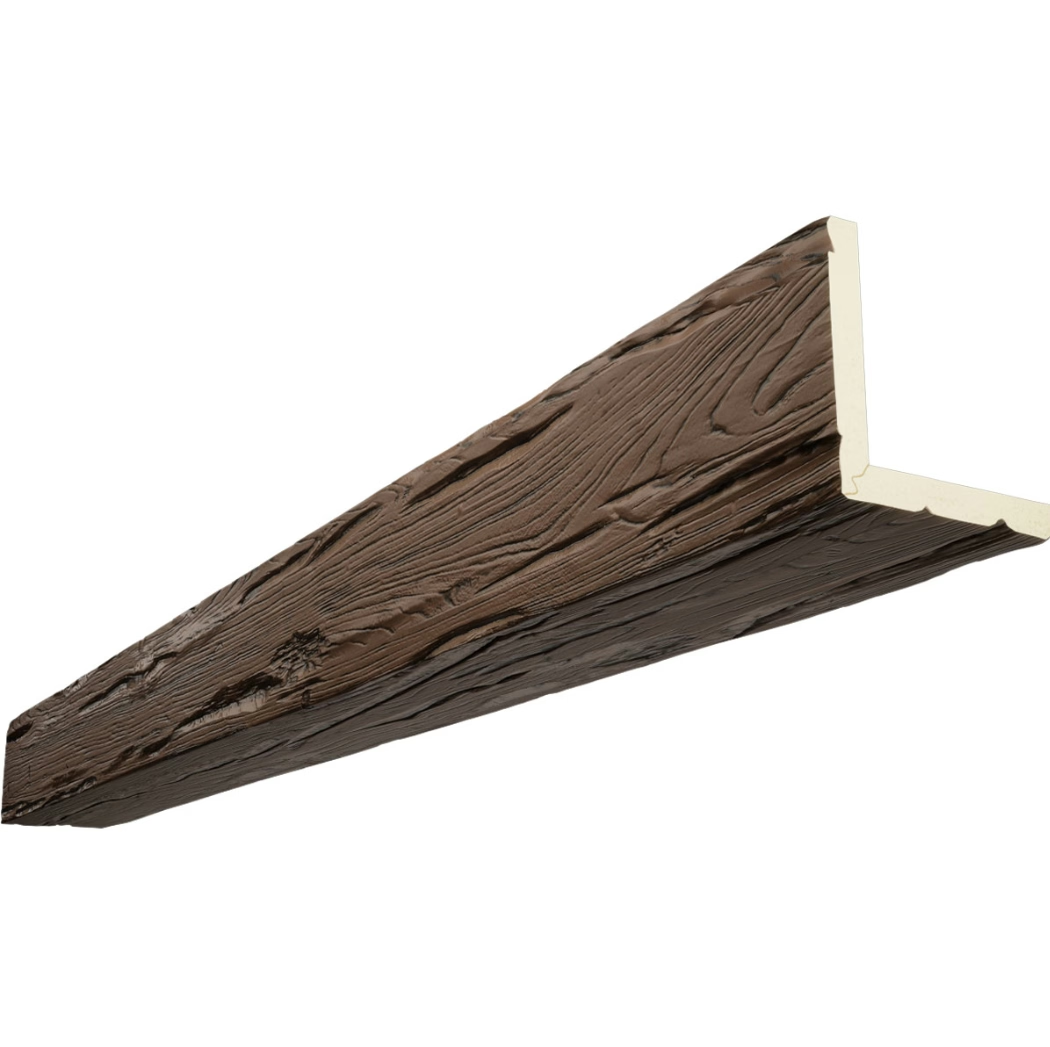
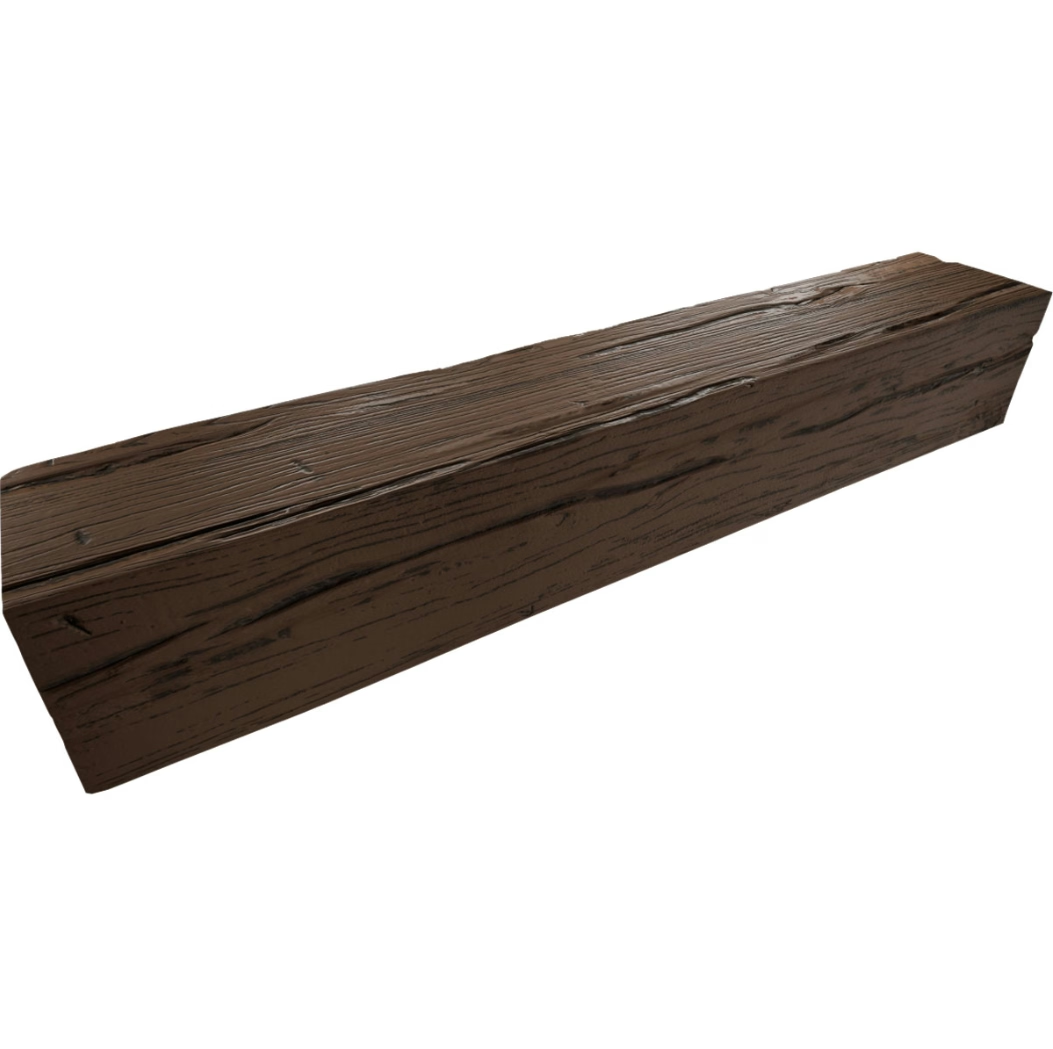
Artisan Unfinished Faux Beams | Bulk Orders for Custom Builders
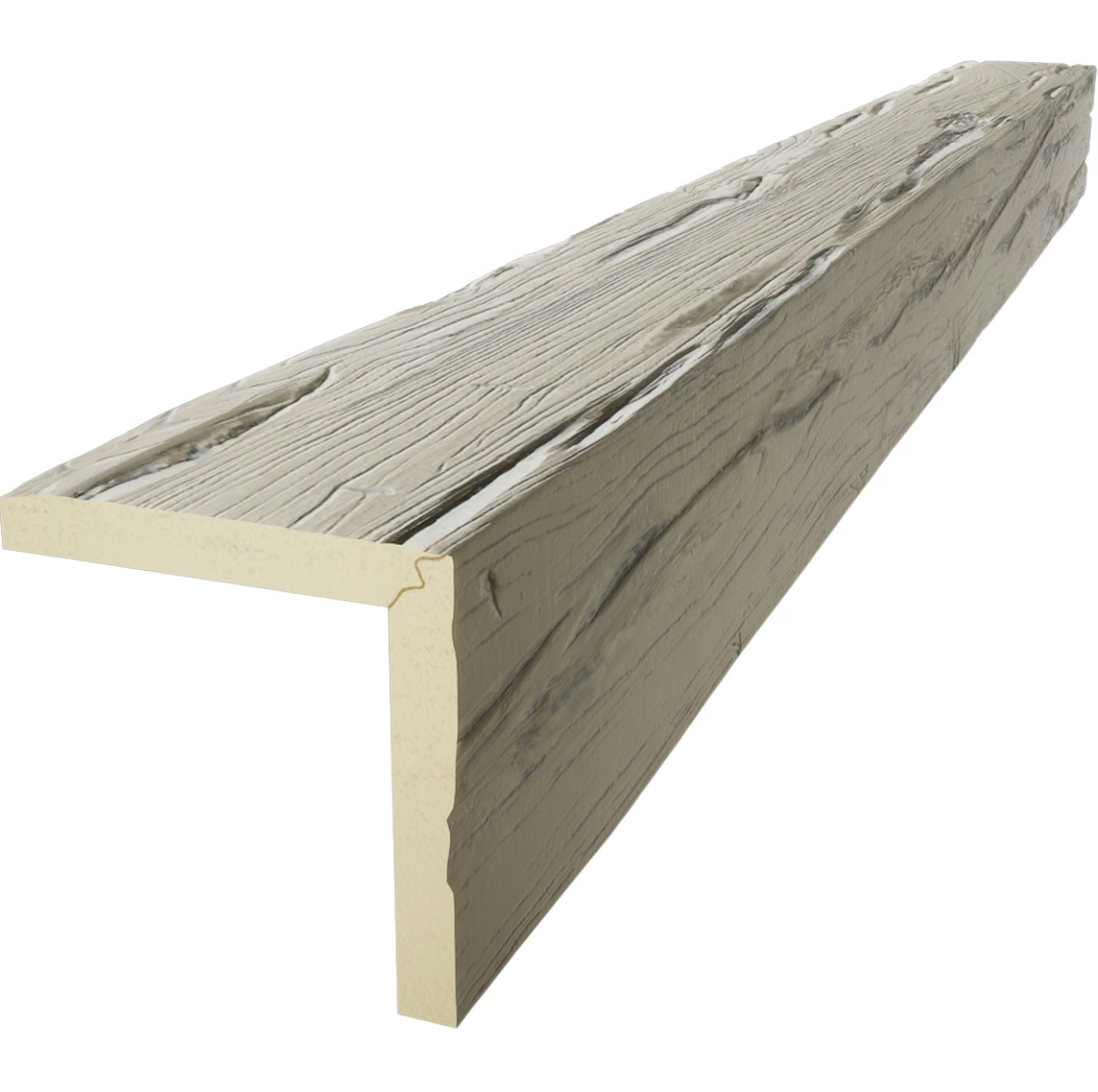
Custom builders with skilled finisher crews can use artisan unfinished faux beams—a hybrid program where the factory produces the artisan profile and surface preparation, and the builder's finisher crew applies the final artisan finish on-site. This hybrid offers specific advantages: lower per-piece pricing than factory-finished artisan, more finish customization than standard factory finishes, and the builder's direct control over the final appearance.
This is how artisan unfinished faux beams work for custom builders, what the factory produces vs what the builder finishes, and how the hybrid program operates.
What "artisan unfinished" means
Artisan unfinished beams sit between standard prefinished beams and raw surface beams:
What the factory produces
The factory produces the beam with:
- Artisan profile. Hand-crafted wood master, custom or modified stock mold.
- Artisan texture. Mold texture with selective hand-detailing on profile features.
- Surface preparation. Specific primer or sealer that prepares the beam for the builder's finish.
- Cut-end sealing. Properly sealed cut ends.
- Quality inspection. Factory QC against the artisan profile standard.
The factory delivers an artisan-quality profile with surface ready for finishing.
What the builder finishes
The builder's finisher crew applies:
- Base color. Stain or base coat appropriate to the design.
- Secondary tones. Hand-applied color variations.
- Weathering or aging effects. Per the design intent.
- Sealer or topcoat. Per the durability requirements.
- Final quality inspection. Builder's QC against the design specification.
The builder produces the final artisan appearance on-site.
Why this hybrid program works
The hybrid artisan unfinished program offers specific advantages:
Lower per-piece pricing than factory-finished artisan
The factory doesn't apply the multi-step artisan finish:
- 20 to 40 percent savings vs factory-finished artisan.
- Savings applied to either builder margin or project budget.
- Per-piece pricing between standard unfinished and factory-finished artisan.
The pricing advantage is significant.
More finish customization than standard factory finishes
The builder's finisher controls the finish:
- Color matched exactly to other elements in the home.
- Finish techniques specific to the design intent.
- Hand-rubbed or hand-applied effects.
- Finish chemistry specific to the application environment.
The customization advantage is significant.
Direct builder control over final appearance
The builder manages the finish process:
- Builder's finisher crew trains on the project specifications.
- Builder controls the timing of the finish application.
- Builder coordinates the finish with other on-site finishing work.
The control advantage supports quality.
Builder's finish crew capability utilization
For builders with skilled finisher crews:
- The crew's capability is leveraged.
- The crew's work adds value to the project.
- The crew's skills differentiate the builder from competitors.
The capability utilization supports the builder's business model.
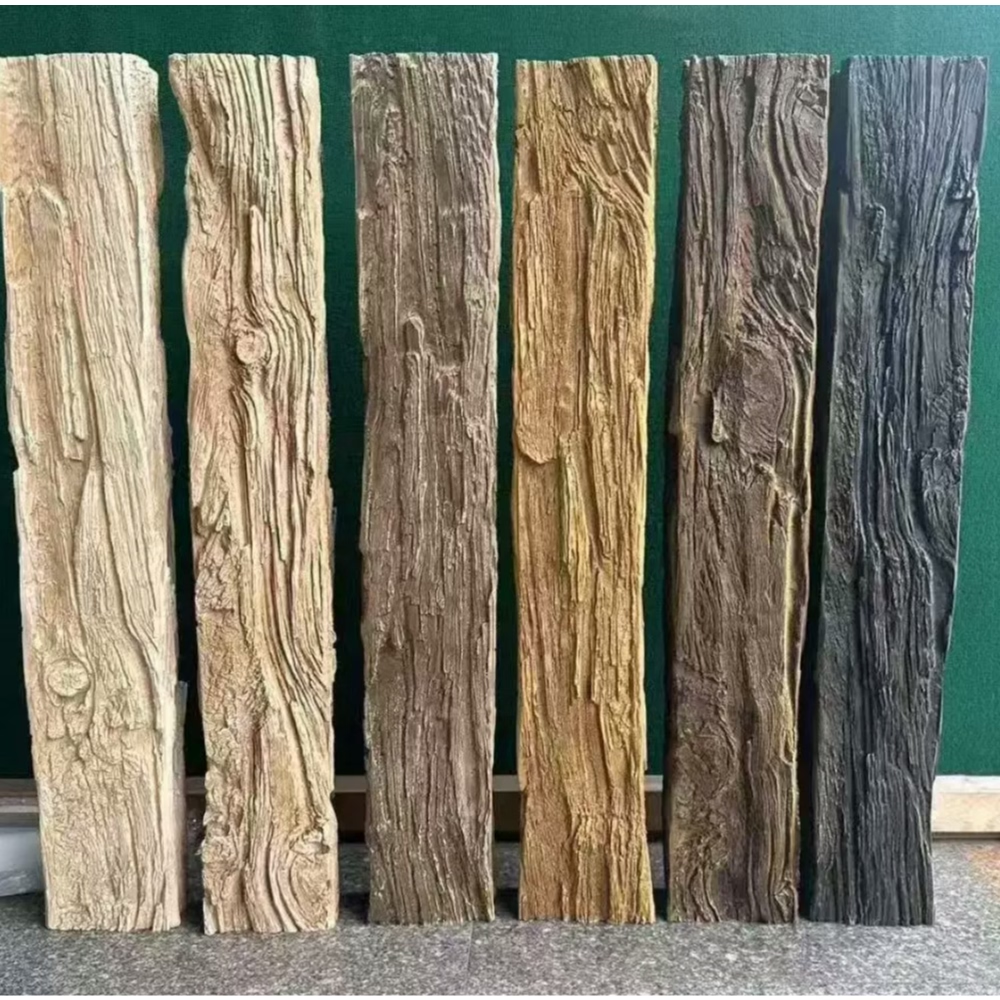
The factory's role in artisan unfinished
For artisan unfinished beams, the factory's role includes:
Profile production
The factory produces the artisan profile:
- Wood master creation.
- Mold production.
- Beam molding.
- Quality inspection of profile.
The profile production follows standard artisan processes.
Surface preparation
The factory prepares the surface for on-site finishing:
- Specific primer or sealer compatible with the builder's planned finishes.
- Surface preparation documented for the builder's reference.
- Surface preparation tested with common stain and sealer products.
The surface preparation supports the builder's on-site finishing.
Cut-end sealing
The factory seals the cut ends:
- Marine-grade or enhanced sealer for harsh environments.
- Proper sealer thickness and coverage.
- Full cure before packaging.
Cut-end sealing protects the most vulnerable points.
Documentation
The factory provides documentation for on-site finishing:
- Surface preparation specification.
- Recommended stain and sealer products.
- Application guidance for common finishing techniques.
- Touch-up kit for field repairs.
- Quality standards for the finished appearance.
Documentation supports the builder's on-site finishing process.
The builder's role in artisan unfinished
For artisan unfinished beams, the builder's role includes:
Finisher crew training
The finisher crew needs training on:
- The factory's surface preparation specification.
- The recommended stain and sealer products.
- The application techniques appropriate for the polyurethane surface.
- The quality standards for the finished appearance.
Training may come from the factory, from the builder's own resources, or from both.
Stain and sealer product selection
The builder selects the appropriate products:
- Stain type (oil-based, water-based, gel, etc.) per the design.
- Sealer type (polyurethane, varnish, wax, etc.) per the durability requirement.
- Product compatibility with the factory's surface preparation.
Product selection affects the final appearance.
Application technique
The builder's finisher applies the finish:
- Stain application per the design specification.
- Hand-applied color variations per the artisan intent.
- Sealer application per the durability requirement.
- Curing time per the product specifications.
Application technique affects the final quality.
Quality control
The builder's QC inspector verifies:
- Color match against the design specification.
- Sheen consistency.
- Coverage uniformity.
- Any defects that need touch-up.
QC verification produces the final quality.
Bulk orders for custom builders
For custom builders running multiple artisan unfinished projects, bulk orders typically include:
Annual volume commitment
The builder commits to an annual beam volume:
- Volume covers multiple artisan unfinished projects.
- Typically 500 to 2,000+ linear feet annually.
- The commitment supports the supplier's production planning.
Standing specifications
The builder establishes standing specifications:
- Standard artisan profiles in the builder's portfolio.
- Standard surface preparation specification.
- Standard documentation packages.
Standing specs cover most projects.
Pricing structure
Pricing for artisan unfinished typically includes:
- Per-piece pricing by length with volume discounts.
- Premium above standard unfinished (15 to 30 percent).
- Below factory-finished artisan pricing (20 to 40 percent less).
- Surface preparation included in per-piece pricing.
Replacement availability
The supplier holds replacement stock:
- 5 to 10 percent of order quantity.
- Coverage period of 24 to 36 months.
- Same artisan profile quality.
- Builder can finish replacements to match the original installation.
Lead times for artisan unfinished
Lead times for artisan unfinished beams:
- Stock profile, standard surface preparation: 4 to 6 weeks.
- Modified profile, custom surface preparation: 6 to 10 weeks.
- Custom profile development: 12 to 20 weeks.
Lead times shorter than factory-finished artisan due to less finishing time at the factory.
Common pitfalls in artisan unfinished programs
A few issues that come up often enough to flag:
- Insufficient finisher crew training. Crew without training produces inconsistent finish.
- Wrong stain products used. Products not compatible with the surface preparation.
- Insufficient dry or cure time. Rushing the schedule produces finish failures.
- Inadequate surface preparation. Factory preparation that doesn't support the builder's finish.
- Replacement stock unavailable. Damaged beams without fast replacement.
How custom builders evaluate artisan unfinished suppliers
For custom builders evaluating artisan unfinished suppliers:
- Surface preparation specification. The supplier's preparation supports the builder's finishing.
- Recommended products list. The supplier provides tested products.
- Profile quality. The supplier produces artisan-quality profiles.
- Documentation. The supplier provides documentation specific to artisan unfinished.
- Replacement availability. The supplier supports fast replacement.
- References. The supplier has done comparable artisan unfinished work.
Artisan unfinished faux beams bulk orders for custom builders is a category where the surface preparation, the recommended products, and the builder's finisher crew capability all need to align. The right combination produces cost-effective artisan beams with custom finishes. The wrong combination produces finishing issues at every project.
Technical References
ASTM standards cited in every specification
Test Data
Lab results from internal testing program
Updated 2026
Reviewed against current product specs