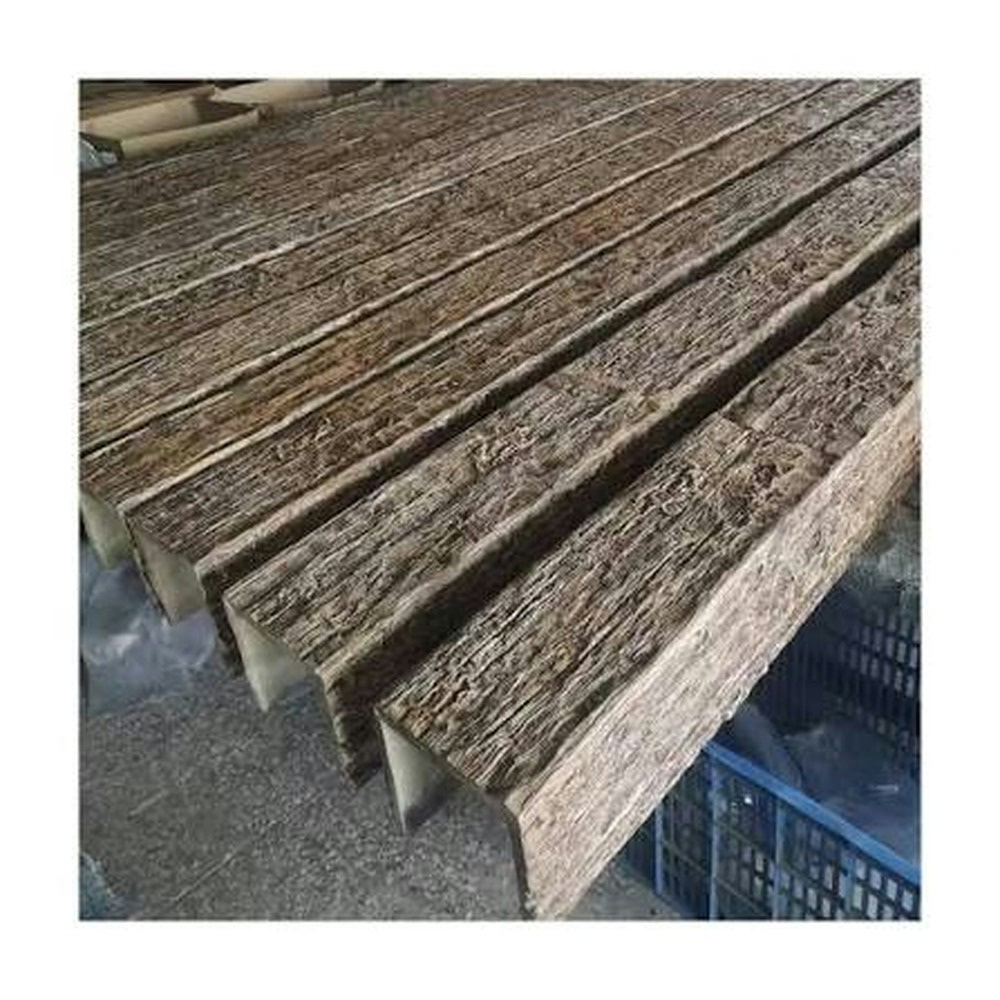
Biodiversity Impact Assessment: Protecting Natural Habitats
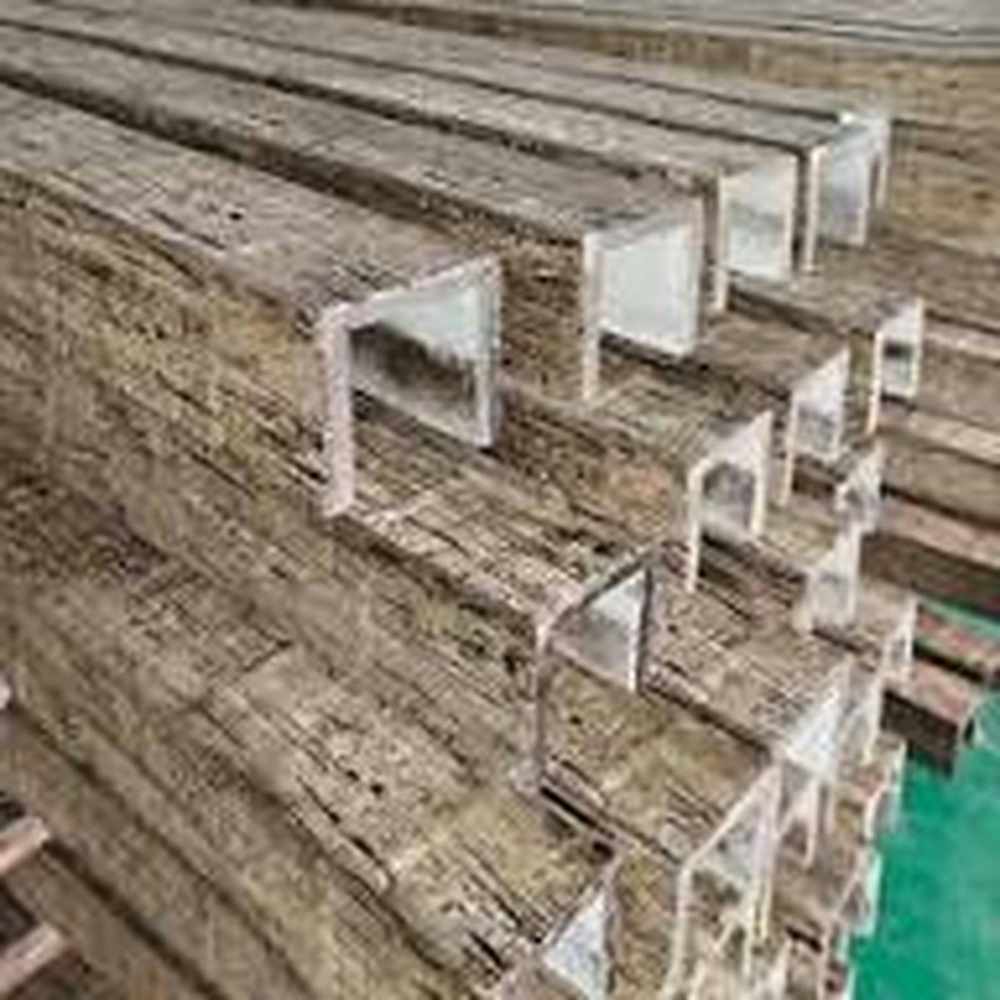
Responsible faux beam manufacturers evaluate biodiversity impacts from raw material sourcing and facility operations. Strategic habitat protection through impact assessments, conservation partnerships, and sustainable forestry prevents ecosystem damage while supporting global biodiversity preservation and regulatory compliance.
Baseline Biodiversity Survey
Document existing species and habitats near sourcing and production areas. Comprehensive surveys establish conservation priorities and measure future impacts accurately.
Impact Prediction Modeling
Analyze potential effects from operations, sourcing, and logistics on local ecosystems. Scientific modeling identifies risks before activities cause irreversible damage.

Critical Habitat Identification
Map sensitive areas requiring protection from development or resource extraction. Spatial analysis guides decisions avoiding biodiversity hotspots and endangered species ranges.
Sustainable Forestry Certification
Source wood materials from FSC or PEFC certified forests protecting ecosystem integrity. Third-party standards ensure responsible harvesting maintaining habitat quality.
Habitat Restoration Projects
Invest in land rehabilitation offsetting unavoidable impacts from operations. Active restoration creates net positive biodiversity outcomes beyond damage prevention.
Wildlife Corridor Preservation
Maintain connectivity between habitat fragments enabling species movement and gene flow. Corridor protection prevents ecosystem fragmentation threatening population viability.
Invasive Species Prevention
Implement biosecurity protocols preventing accidental species transport across regions. Careful controls protect native ecosystems from destructive invasive organisms.
Biodiversity Offset Programs
Participate in conservation banking or offset schemes compensating for residual impacts. Market-based mechanisms support landscape-scale habitat protection beyond facility boundaries.
Conclusion
Biodiversity beam impact assessment requires baseline surveys, impact prediction modeling, critical habitat identification, and sustainable forestry certification. Strategic habitat protection achieves conservation through restoration projects, wildlife corridor preservation, invasive species prevention, and biodiversity offset programs supporting ecosystem health with responsible manufacturing practices protecting natural habitats.
Technical References
ASTM standards cited in every specification
Test Data
Lab results from internal testing program
Updated 2026
Reviewed against current product specs