Climate Control Zone Enhancement: HVAC Efficiency and Thermal Management
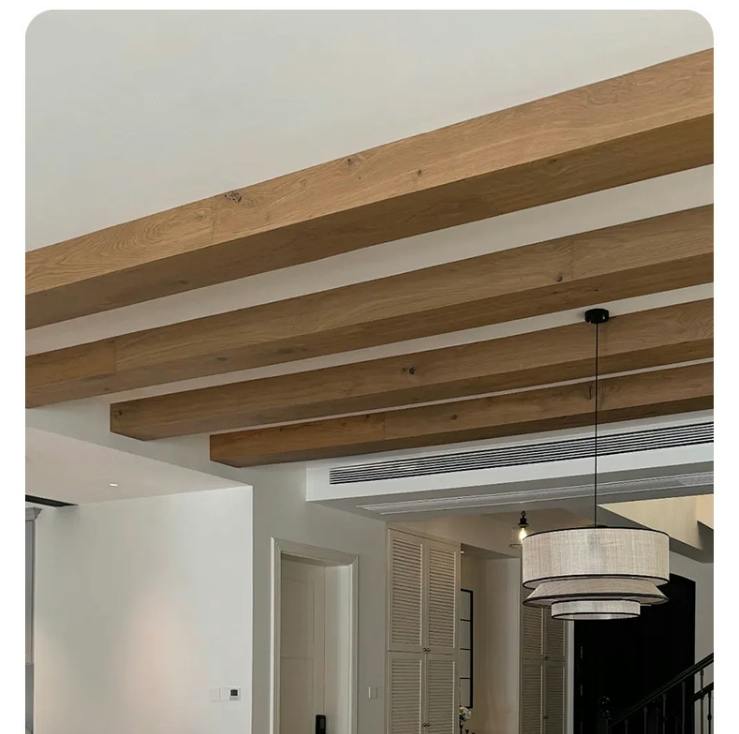
Insulated faux beams contribute to climate control strategies improving HVAC efficiency and thermal comfort. Strategic beam selections with insulating properties reduce heat loss, minimize thermal bridging, and support zoned climate control creating energy-efficient comfortable environments.
Insulated Core Benefits
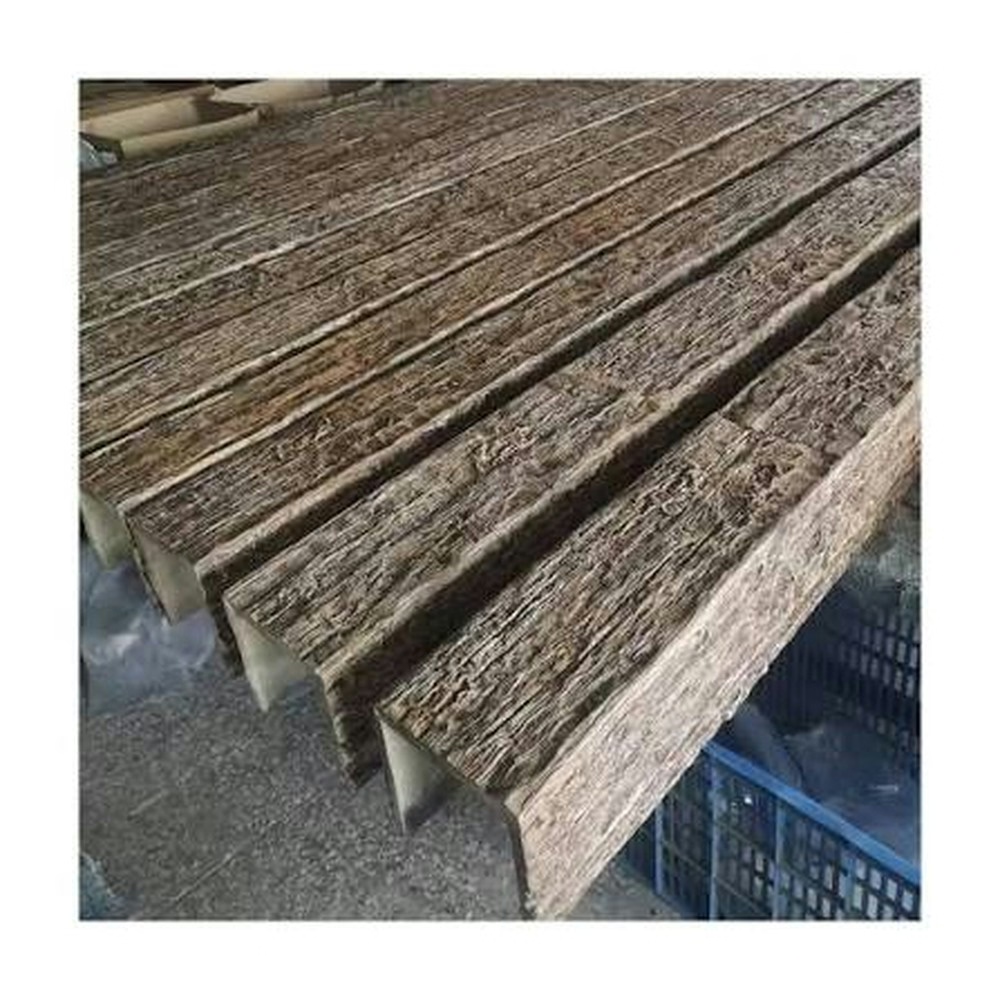
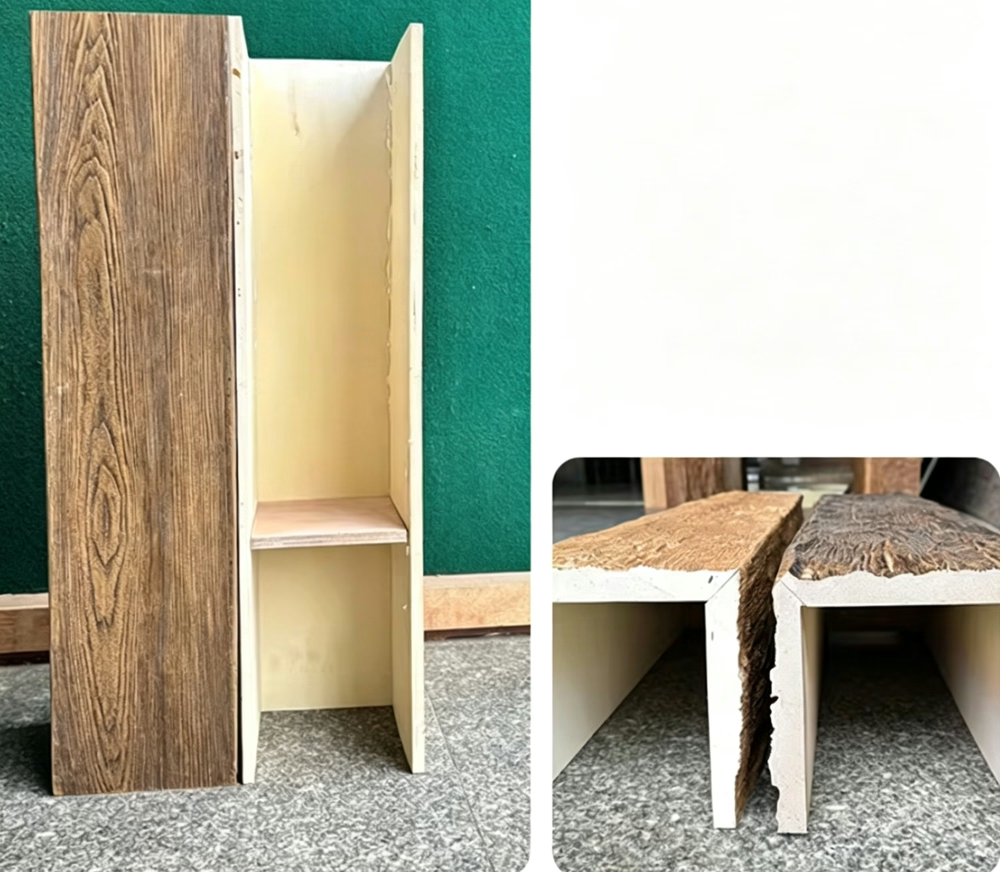
Select beams incorporating foam insulation cores providing additional ceiling thermal resistance. Insulating properties supplement existing insulation reducing energy waste.
Thermal Bridging Reduction
Apply insulated beams covering ceiling junction areas where thermal bridging occurs. Strategic placement addresses specific heat loss pathways improving overall envelope performance.
Cathedral Ceiling Enhancement
Utilize insulated beams in vaulted ceilings where insulation depth limitations create cold spots. Additional insulation layer improves comfort and reduces heating costs.
Zoned System Coordination
Position beams supporting zoned HVAC systems defining climate-controlled areas. Physical zone definition enhances system efficiency and personalized comfort control.
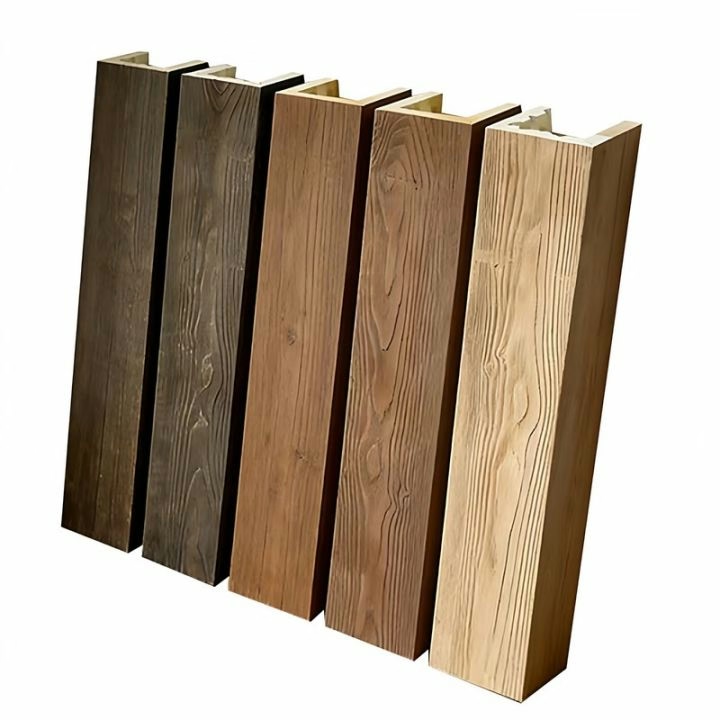
Ductwork Concealment
Design beam systems concealing exposed HVAC ductwork while maintaining airflow performance. Aesthetic improvement doesn't compromise mechanical system function.
Radiant System Integration
Coordinate beams with radiant heating or cooling systems optimizing heat transfer patterns. Compatible installations support advanced climate control technologies.
Energy Modeling Documentation
Obtain energy calculations quantifying thermal improvements supporting efficiency claims. Professional modeling validates benefits and supports incentive program applications.
Return on Investment Calculation
Evaluate insulated beam costs against projected energy savings determining payback periods. Financial analysis supports informed decisions about premium insulation features.
Conclusion
Climate control beam enhancement requires insulated core benefits, thermal bridging reduction, cathedral ceiling applications, and zoned system coordination. Strategic thermal installations improve HVAC efficiency through additional insulation, thermal bridge management, and energy-efficient climate control supporting comfortable environments with reduced energy consumption and operating costs.
Technical References
ASTM standards cited in every specification
Test Data
Lab results from internal testing program
Updated 2026
Reviewed against current product specs