Energy Code Compliance: Decorative Elements and Thermal Performance
Energy codes increasingly scrutinize all building envelope penetrations including decorative architectural elements. Understanding how faux beam installations affect energy code compliance ensures proper design and approval while maintaining aesthetic objectives.
IECC and ASHRAE Standard Requirements
International Energy Conservation Code (IECC) and ASHRAE 90.1 standards regulate envelope thermal performance including penetration effects. Decorative elements aren't exempt from thermal performance requirements affecting overall compliance.
Continuous Insulation Exemption Limits
Energy codes allow limited thermal bridging from structural supports but may not exempt decorative element penetrations. Verify interpretation with local code officials before assuming decorative mounting exemptions.
U-Factor Calculation Impact
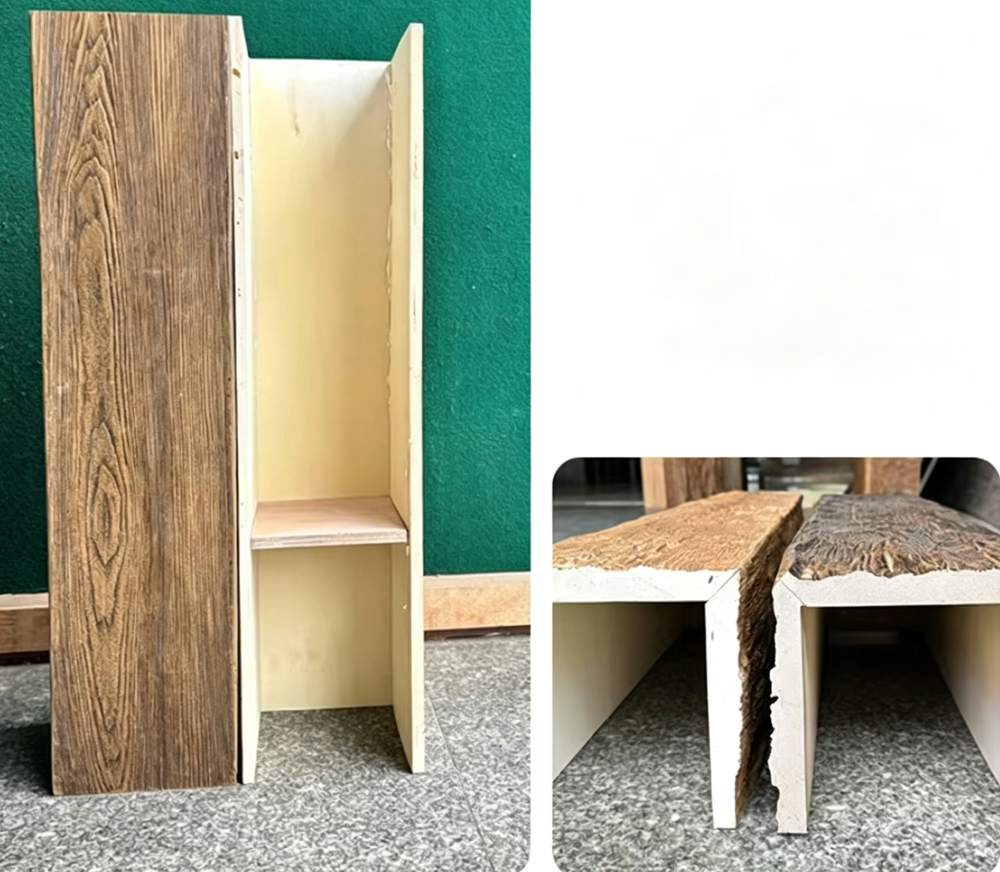
Beam mounting hardware affects overall wall assembly U-factor calculations. Computer thermal modeling quantifies these effects determining compliance with prescriptive or performance-based code paths.
Compliance Documentation Requirements
Submit thermal analysis demonstrating that beam mounting doesn't compromise envelope performance below code minimums. Engineering calculations and thermal imaging may support compliance documentation.
Alternative Compliance Pathways
Performance-based compliance paths allow tradeoffs between envelope components. Superior insulation elsewhere may offset thermal bridging from beam mounting while maintaining overall code compliance.
Inspection Checkpoint Requirements
Code officials may require inspection of air sealing and thermal break details before concealment. Schedule required inspections at appropriate construction phases preventing approval delays.
Climate Zone Specific Standards
Energy code stringency varies by climate zone with coldest and hottest climates imposing strictest requirements. Match beam mounting strategies to applicable climate zone performance levels.
Future Code Direction Trends
Energy codes trend toward stricter thermal bridging control and continuous insulation requirements. Design installations exceeding current minimums providing buffer against future code changes.
Conclusion
Energy code compliance requires analyzing thermal performance impacts of faux beam mounting and demonstrating envelope performance meets code minimums. Proper thermal design, documentation, and inspection coordination ensures approval while achieving architectural goals.
Technical References
ASTM standards cited in every specification
Test Data
Lab results from internal testing program
Updated 2026
Reviewed against current product specs