Green Building Standards Compliance: WELL, Living Building Challenge, and BREEAM
Beyond LEED certification, multiple green building standards evaluate material environmental and health impacts. Understanding WELL Building Standard, Living Building Challenge, and BREEAM requirements enables specification decisions supporting diverse sustainability certification goals.
WELL Building Standard Material Safety
WELL emphasizes occupant health requiring material Red List screening and VOC emission testing. Polyurethane beams must demonstrate compliance with WELL preconditions for hazardous material avoidance and emissions limits.
Living Building Challenge Red List Compliance
Living Building Challenge maintains strictest material requirements prohibiting Red List chemicals including certain flame retardants and VOC sources. Verify manufacturer formulations avoid prohibited substances before specification.
BREEAM Material Lifecycle Assessment
BREEAM (Building Research Establishment Environmental Assessment Method) evaluates materials through comprehensive lifecycle assessment including extraction, manufacturing, use, and disposal phases. Environmental Product Declarations support BREEAM credit achievement.
Material Health Transparency Requirements
Multiple standards require Health Product Declarations (HPDs) disclosing material ingredients and associated health hazards. HPD availability increasingly differentiates manufacturers in green building markets.
VOC Emissions Testing Protocols
Standards specify various emissions testing protocols including CDPH Standard Method v1.2 and AgBB requirements. Verify testing method alignment with applicable certification program requirements.
Supply Chain Transparency Documentation
Advanced green building standards require supply chain transparency including raw material sourcing, labor practices, and manufacturing environmental impacts. Manufacturer sustainability reports support these requirements.
Biophilic Design Credit Opportunities
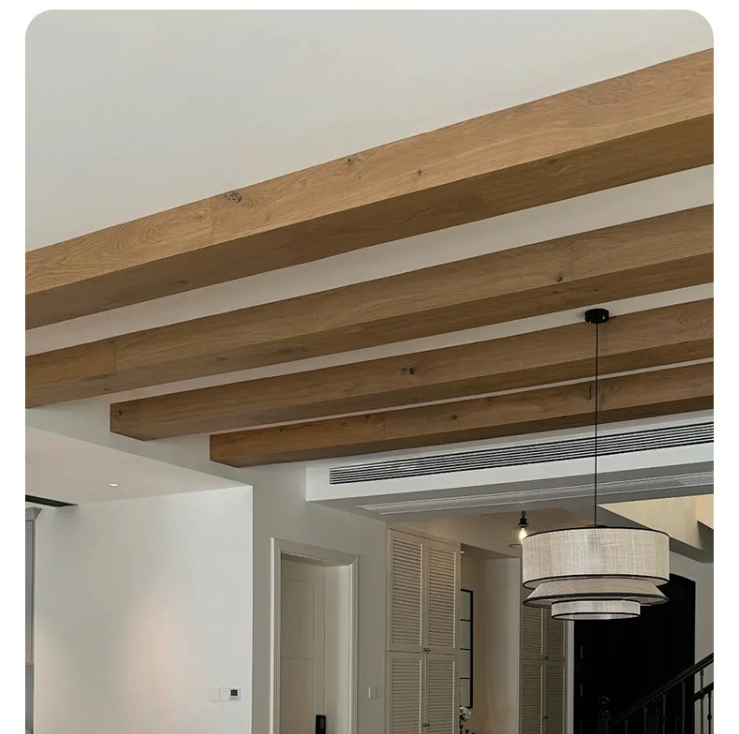
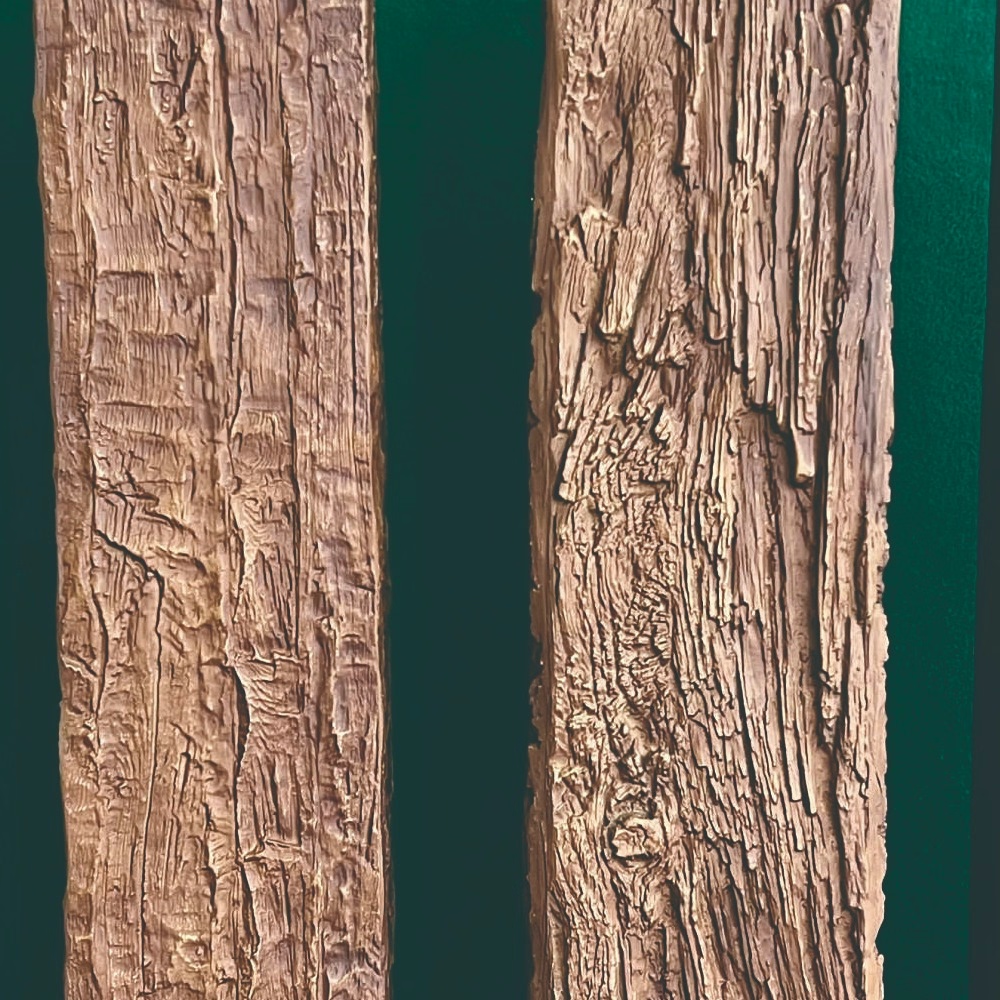
Natural wood appearance of faux beams may contribute to biophilic design credits emphasizing connection to nature. While synthetic materials, realistic wood aesthetics support nature-connection design objectives.
Circular Economy Principles
Living Building Challenge and similar programs promote circular economy principles including material reuse and recycling capabilities. Limited polyurethane recycling infrastructure challenges full circular economy compliance.
Conclusion
WELL Building Standard, Living Building Challenge, and BREEAM impose varying material requirements beyond LEED focusing on occupant health, lifecycle impacts, and transparency. Understanding diverse standard requirements enables informed specification supporting multiple certification pathways.
Technical References
ASTM standards cited in every specification
Test Data
Lab results from internal testing program
Updated 2026
Reviewed against current product specs