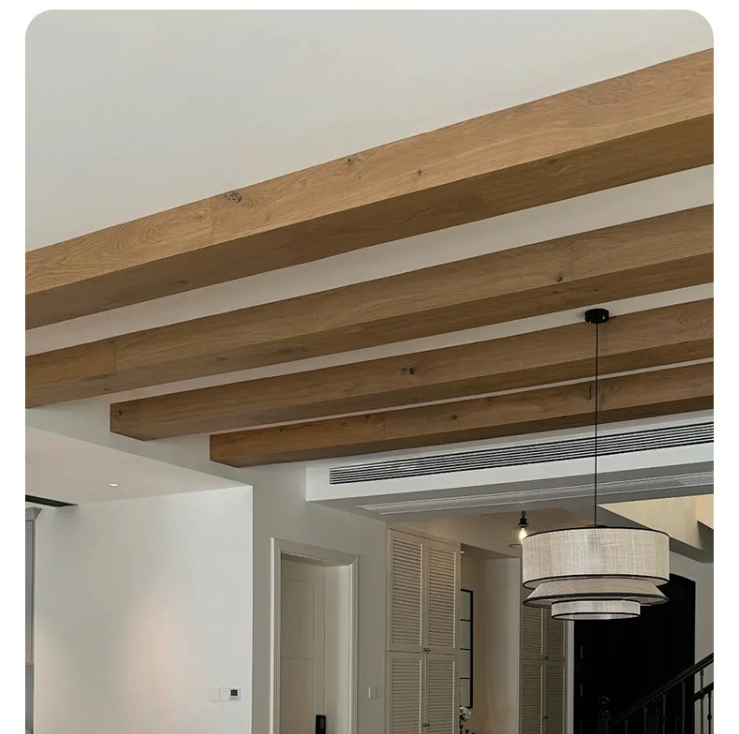
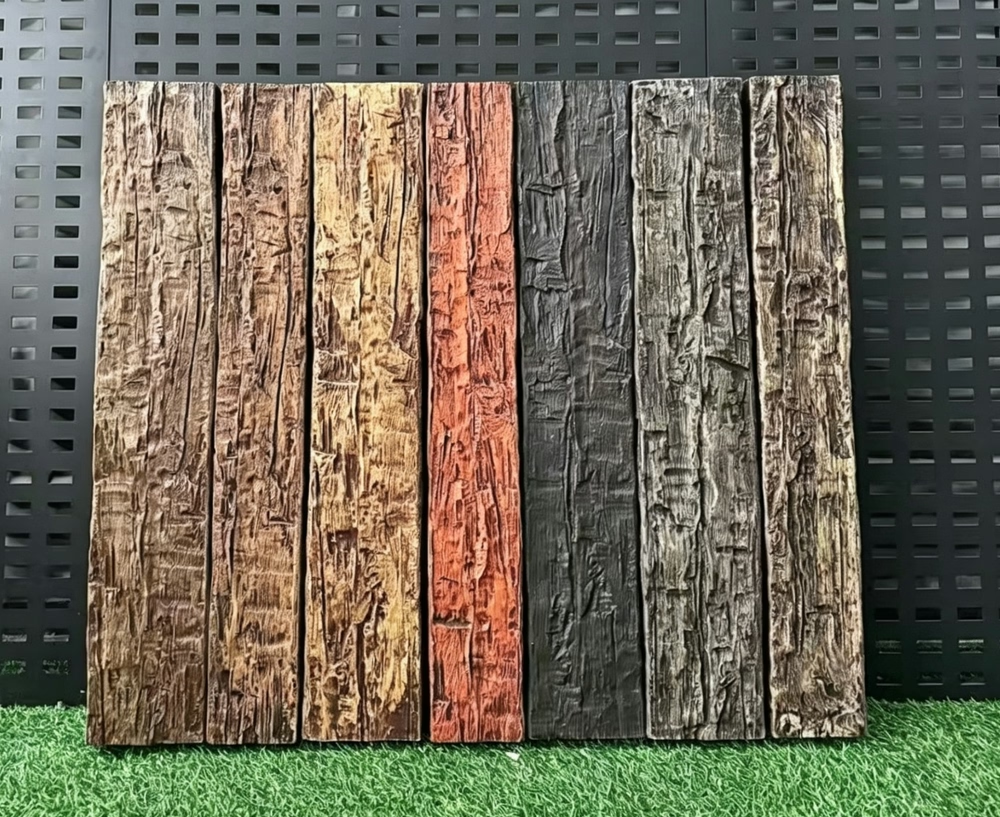
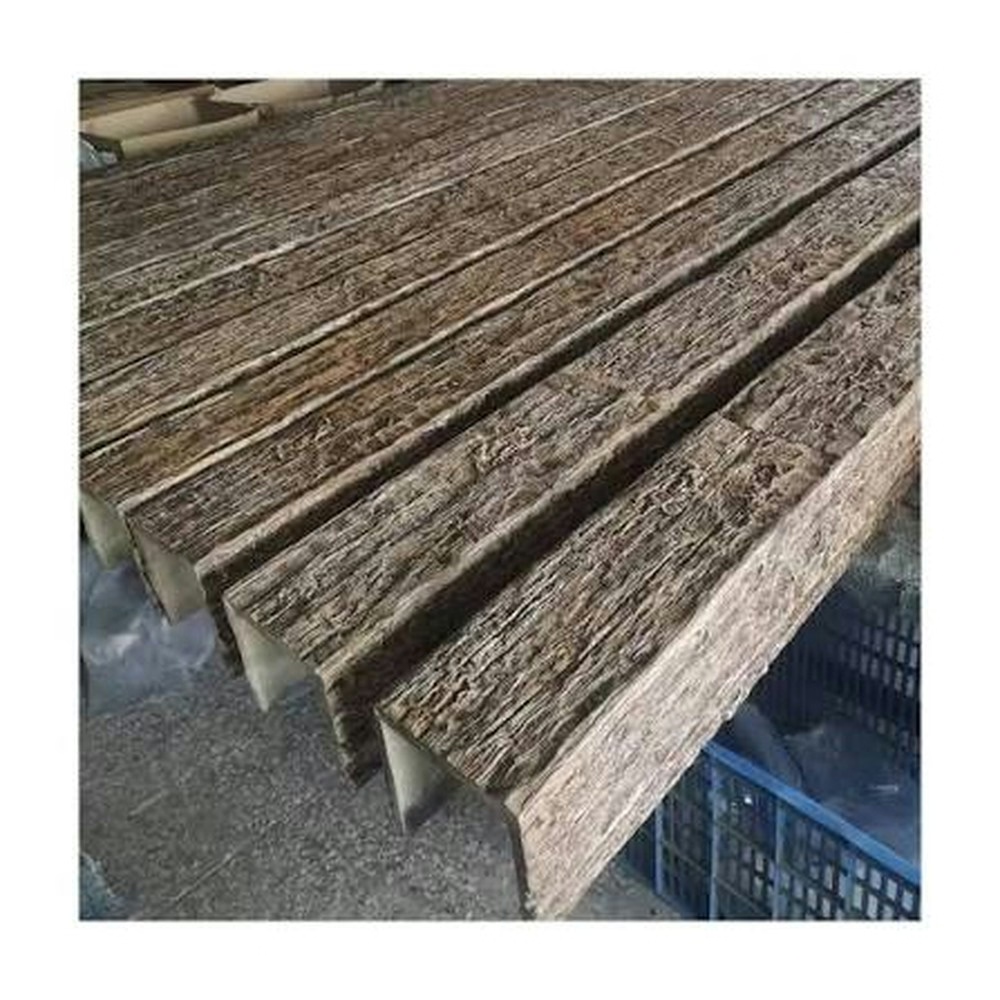
Groin Vault Intersection Details for Complex Faux Beam Layouts
Groin vault ceilings, where two barrel vaults intersect, create complex geometric challenges for faux beam installation. Precision detailing at intersection lines produces architecturally authentic results in these sophisticated ceiling designs.
Intersection Line Identification
Map groin vault intersection lines where perpendicular barrel vaults meet. These diagonal lines form natural locations for primary beam placement, following historical structural logic of masonry groin vaults.
Diagonal Beam Emphasis
Install substantial beams along groin lines to emphasize vault geometry and simulate structural ribs. These diagonal elements become design focal points and establish framework for additional beam placement.
Quadrant Subdivision Strategy
Within each vault quadrant created by groin intersections, add secondary perpendicular beams to create ribbed patterns. This approach references Gothic architectural traditions while managing complex three-dimensional geometry.
Compound Angle Calculations
Groin vault beam intersections require compound miter cuts accommodating both vault curvature and diagonal meeting angles. Precise calculation and templating ensure tight joints at these critical visible intersections.
Keystone Accent Elements
Add decorative keystone elements at groin intersection points where multiple beams converge. These traditional architectural accents provide visual anchors and can conceal complex joinery at challenging junction points.
Rib Depth Consistency
Maintain consistent beam projection depth throughout vault surfaces despite varying ceiling angles. This requires custom blocking at different heights to achieve uniform visual appearance from floor level.
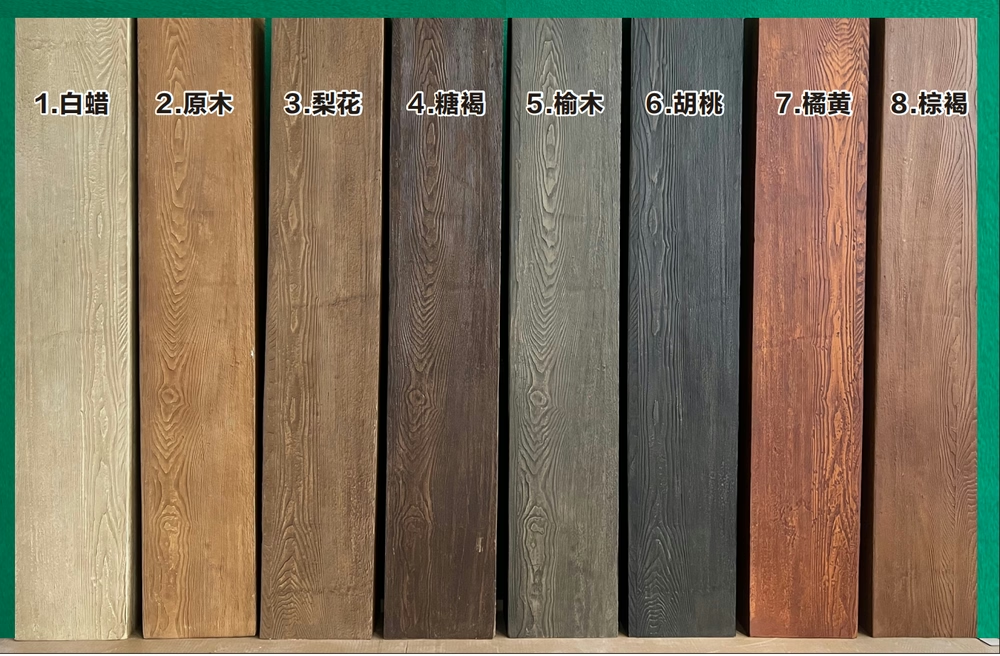
Material Flexibility Requirements
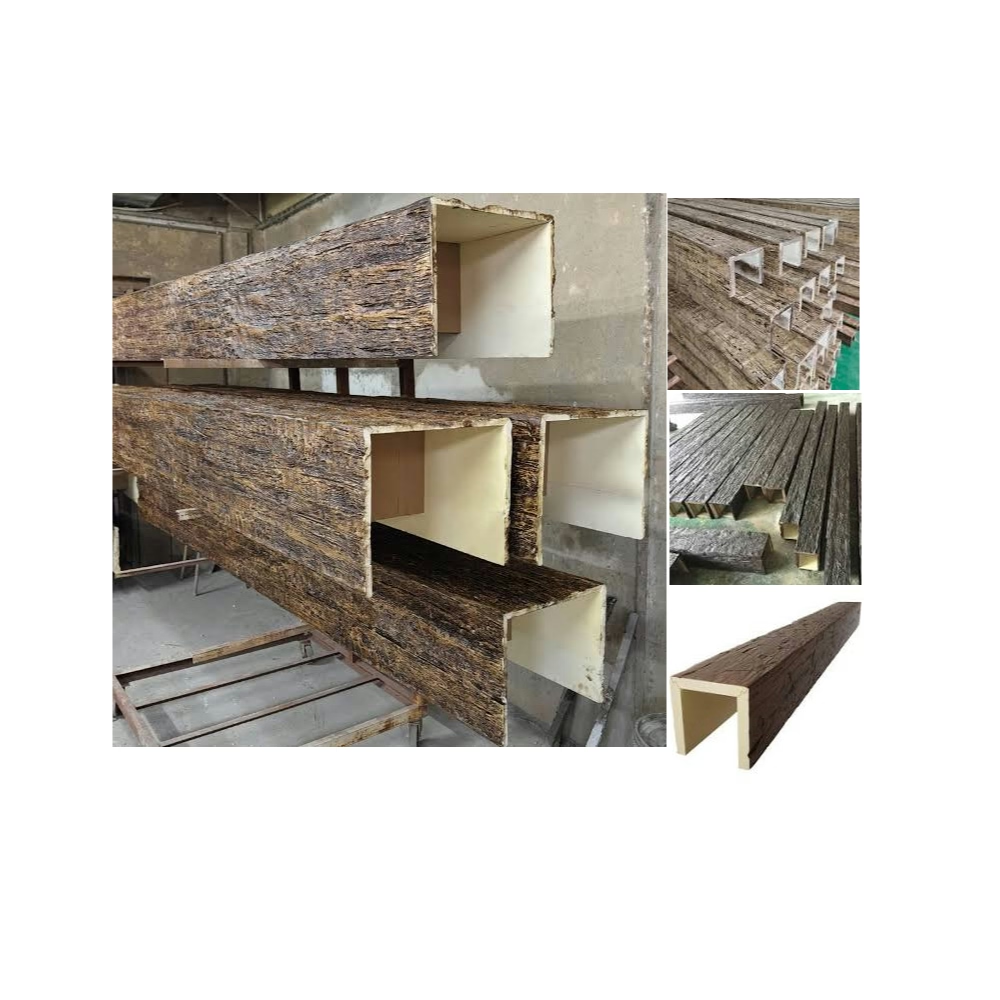
Groin vault installations benefit from flexible polyurethane beams that can accommodate dual-axis curvature at intersection zones. Rigid materials require more complex segmentation and custom fabrication.
Installation Sequence Complexity
Begin with groin line beams to establish primary geometry, then add quadrant ribs working outward from intersections. This sequence ensures accurate positioning relative to the most visible intersection elements.
Conclusion
Groin vault beam installations represent advanced faux beam work requiring geometric understanding, compound angle expertise, and strategic material selection. Proper attention to intersection details produces sophisticated architectural ceiling statements.
Technical References
ASTM standards cited in every specification
Test Data
Lab results from internal testing program
Updated 2026
Reviewed against current product specs