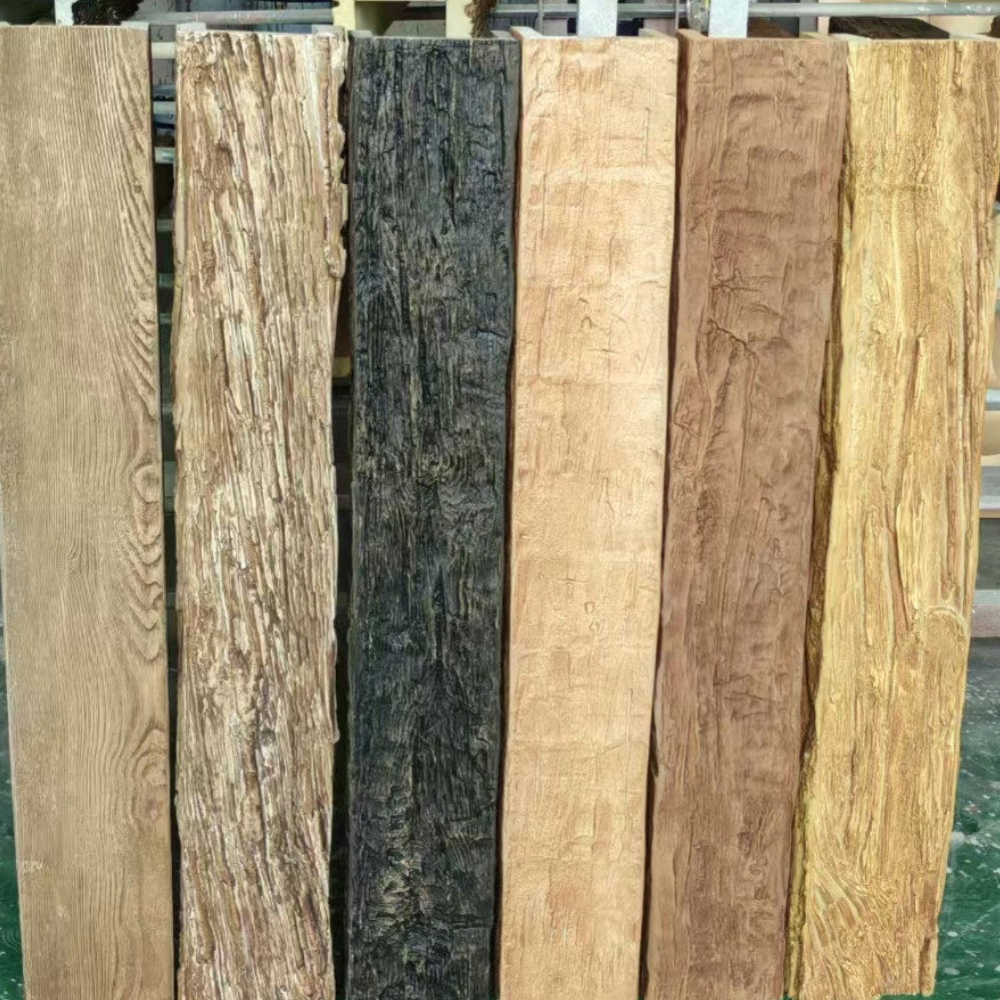
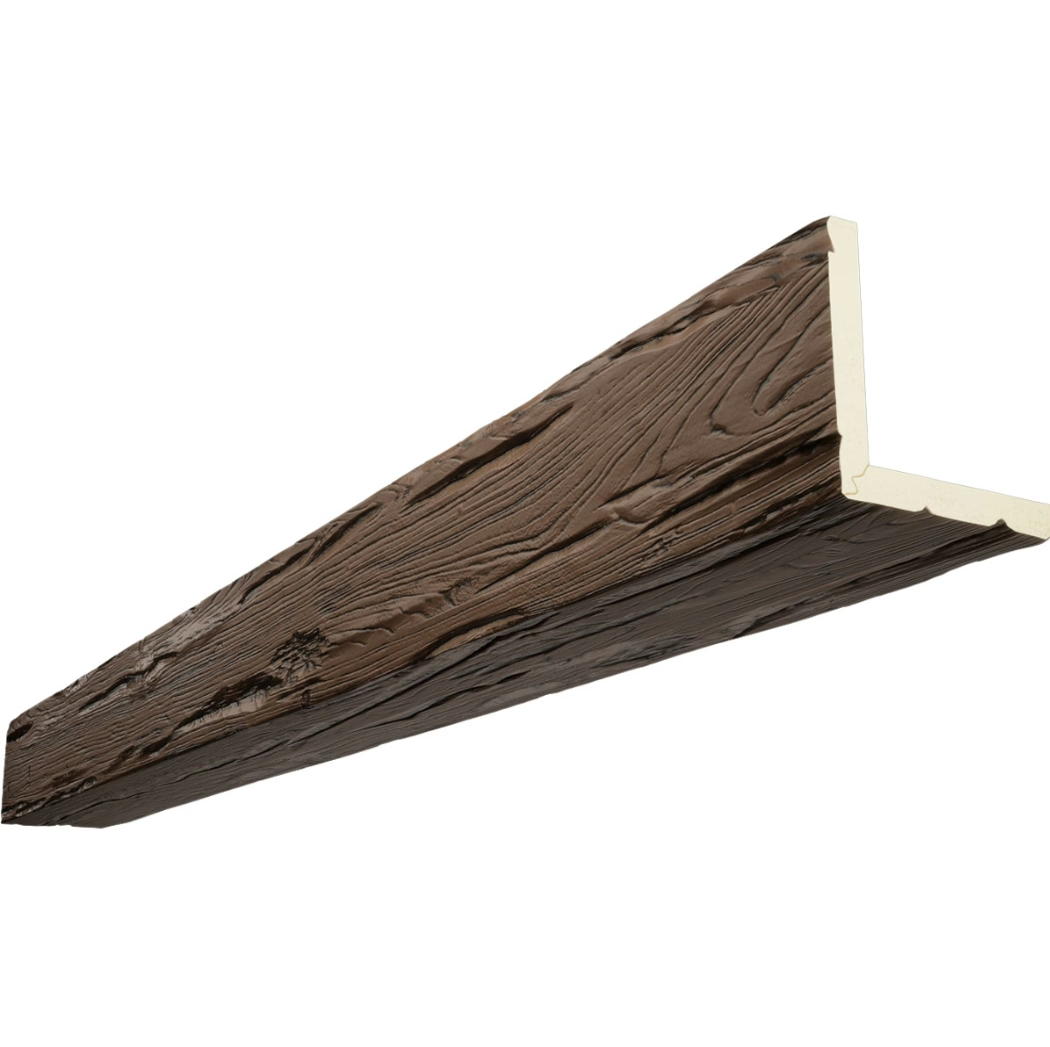
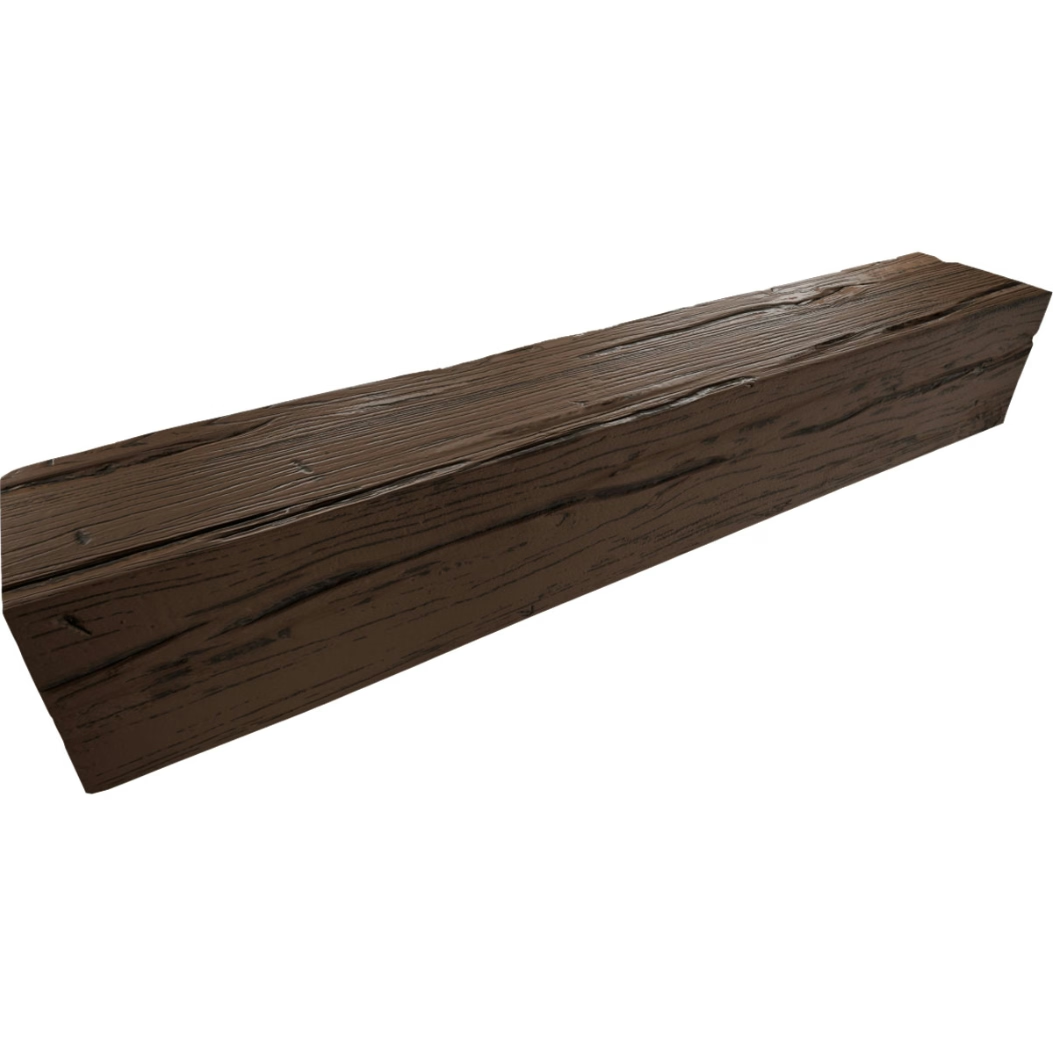
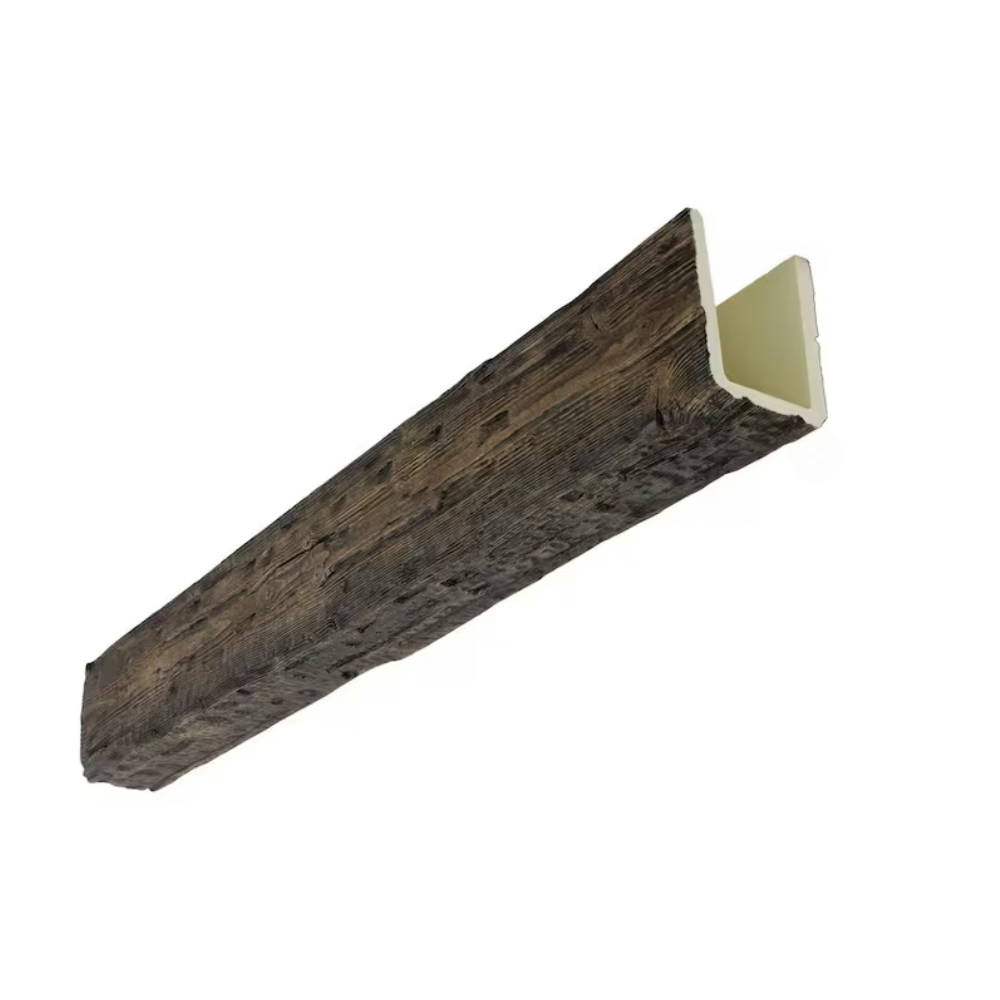
High Density PU Faux Beams | Wholesale for Interior Construction
Polyurethane density affects several beam properties: edge detail, cleat holding strength, impact resistance, weight, and cost. For interior construction applications where these properties matter, high-density polyurethane (250+ kg/m³) is the appropriate specification. Understanding what high density delivers and when it's worth the premium helps wholesale buyers specify correctly.
This is what high-density polyurethane beams actually provide, what the wholesale economics look like, and when the premium is justified.
What "high density" means in polyurethane beams
Polyurethane density is measured in kilograms per cubic meter (kg/m³) and ranges from about 30 kg/m³ for soft packaging foam to 500+ kg/m³ for structural foam. For faux timber beams, the practical range is 80 to 320 kg/m³:
Standard density ranges for faux beams
- Low density: 80 to 150 kg/m³. Lightweight, low cost, soft edges.
- Medium density: 150 to 250 kg/m³. Standard balance of properties for most applications.
- High density: 250 to 320 kg/m³. Premium edge detail, strong cleat holding, higher cost.
- Very high density: 320+ kg/m³. Specialty applications, custom orders.
Most production faux beams are in the 120 to 200 kg/m³ range. High-density beams at 250+ kg/m³ are a specialty specification.
What high density delivers
For interior construction applications, high-density polyurethane beams deliver specific advantages:
Edge detail
Polyurethane edges can round off if the density is too low for the profile. High-density polyurethane holds crisp edges:
- Low density: Sharp edges round off, fine details blur.
- Medium density: Most edges hold, fine details may soften.
- High density: All edges hold, fine details remain crisp.
For beams with intricate profiles, hand-hewn details, or fine reveal lines, high density is essential.
Cleat holding strength
Cleats are typically screwed into the beam from the back or side. The screw holding strength depends on the polyurethane density:
- Low density: Screws may strip out under load. Limited cleat rating.
- Medium density: Standard cleat rating, adequate for most residential applications.
- High density: High cleat rating, suitable for commercial and high-load applications.
For beams supporting heavy loads, beams in seismic zones, or beams at high-traffic locations where impact resistance matters, high density is appropriate.
Impact resistance
The beam surface can be damaged by impact (furniture, ladders, equipment during install or use):
- Low density: Surface dents easily. Repairs are visible.
- Medium density: Moderate impact resistance. Some dents possible.
- High density: High impact resistance. Surface holds shape under typical impact.
For beams at eye level in high-traffic areas, or beams in commercial interiors, high density reduces damage.
Screw and nail holding
For elements that attach to the beam (light fixtures, signs, decorative hardware):
- Low density: Screws pull out easily.
- Medium density: Standard screw holding.
- High density: Strong screw holding, suitable for attached elements.
For beams with attached fixtures, high density supports the attachment.
Long-term stability
High-density polyurethane is more dimensionally stable over time:
- Less compression under sustained loads.
- Less deformation under temperature cycling.
- Less surface degradation over years of service.
For beams expected to maintain their appearance over decades, high density contributes to longevity.
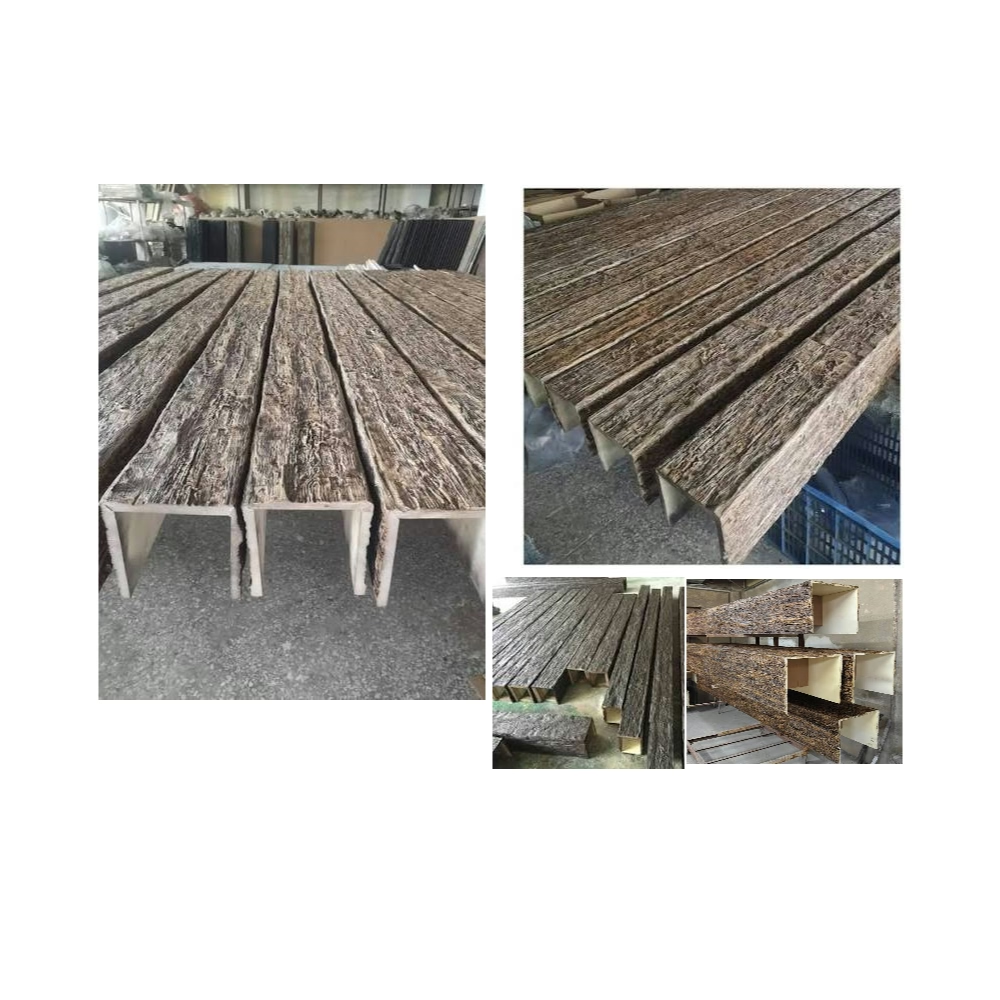
Where high density is appropriate
For interior construction applications, high-density polyurethane is appropriate in several situations:
Beams at eye level
Beams that are visible at close range (eye level or below) benefit from high density:
- Edge detail that holds over years.
- Surface that resists fingerprints and incidental contact.
- Color depth that reads more like real wood.
For luxury homes and high-end commercial interiors, high density is the standard.
Beams with intricate profiles
Beams with intricate profiles (hand-hewn, deep chamfers, multiple reveals) require high density to hold the detail:
- Low density loses the intricate details.
- Medium density holds most details but may soften the finest.
- High density holds all details.
For architectural beams with significant detail, high density is appropriate.
Beams in commercial interiors
Commercial interiors have higher use and stricter requirements:
- Higher traffic means more impact exposure.
- Stricter code requirements may require higher cleat ratings.
- Longer service life expectations.
For commercial applications, high density is the practical specification.
Beams in seismic zones
Seismic-rated installations may require higher cleat holding:
- The cleat must hold the beam under seismic forces.
- Higher density provides stronger screw holding.
- The structural engineer's specifications may require high density.
For seismic applications, the engineer's specifications should be confirmed.
Beams with attached fixtures
Beams with attached fixtures (light fixtures, signs, decorative elements) require high density:
- The fixture attachment needs strong screw holding.
- The fixture weight adds to the beam's load.
- High density supports the fixture attachment.
For beams with significant attached elements, high density is appropriate.
Beams in luxury homes
Luxury homes have higher expectations for finish quality:
- Edge detail that holds over years.
- Surface quality that reads as premium.
- Long service life without degradation.
For luxury home applications, high density is the standard specification.
When high density isn't necessary
For many interior construction applications, standard or medium density is sufficient:
- Beams at high ceilings (above 14 feet) where edge detail isn't visible at close range.
- Beams with simple profiles (rectangular cross-section, minimal chamfers).
- Beams in low-traffic areas (formal living rooms, dining rooms).
- Budget-constrained projects where the density premium is significant.
For these applications, the density premium doesn't pay back in visible quality improvement.
The wholesale economics of high density
High-density polyurethane costs more per piece than lower-density:
Density premium
- Standard density (150 to 200 kg/m³): baseline pricing.
- Medium density (200 to 250 kg/m³): 5 to 15 percent premium.
- High density (250 to 320 kg/m³): 15 to 30 percent premium.
The premium reflects the higher material cost and the more controlled production process required for high-density polyurethane.
Production considerations
High-density polyurethane is more difficult to produce:
- Requires more precise mixing ratios.
- Has different curing characteristics.
- May require longer curing times.
- Has tighter process control requirements.
The production considerations affect the factory's capacity and lead times.
Lead time impact
Lead time for high-density beams:
- Stock profile, high density: 10 to 15 business days.
- Modified or custom profile, high density: 15 to 25 business days.
- Custom mold, high density: 10 to 16 weeks.
Lead times are similar to standard density but may be slightly longer due to production considerations.
How to specify high density for interior construction
For interior construction projects specifying high-density beams:
Identify the application
Determine where high density is appropriate:
- Beams at eye level in primary spaces.
- Beams with intricate profiles.
- Beams in commercial interiors.
- Beams with attached fixtures.
Specify the density
In the beam specification:
- Density: 250 to 320 kg/m³.
- Confirm with the factory that the density can be produced in the specified profile.
Confirm the premium
Verify the per-piece pricing premium:
- Compare high-density pricing to standard-density pricing.
- Confirm the premium reflects the density upgrade.
- Negotiate the premium based on volume.
Document the specification
The specification should include:
- Density requirement.
- Application context (why high density is needed).
- Cleat specifications (which may need adjustment for the higher density).
- Documentation requirements.
Common pitfalls in high density specifications
A few issues that come up often enough to flag:
- Specifying high density where standard would suffice. Wasted premium.
- Not verifying density availability. Some profiles or sizes may not be available in high density.
- Insufficient cleat adjustment. Standard cleats may not be optimized for high-density polyurethane (though most cleats work well in high density).
- Production scheduling issues. High density may have longer lead times for some profiles.
How wholesale buyers evaluate high density
For wholesale buyers evaluating high-density beam options:
- Density verification. The factory should provide density data for the specific order.
- Edge detail samples. Visual samples showing the edge quality at the specified density.
- Cleat holding data. Documentation of cleat ratings at the specified density.
- Cost-benefit analysis. The premium justified by the application requirements.
- Lead time confirmation. Production lead times for the specific profile at high density.
High density polyurethane faux beams wholesale for interior construction is a category where the density specification, the application requirements, and the premium justification all need to align. The right combination produces beams that meet the application's quality requirements. The wrong one either overpays for density that isn't needed or under-specifies density for an application that requires it.
Technical References
ASTM standards cited in every specification
Test Data
Lab results from internal testing program
Updated 2026
Reviewed against current product specs