Historical Preservation Guidelines: Authenticity Requirements for Period Restoration
Historical preservation projects require careful attention to authenticity and period-appropriate details when incorporating faux beams. Understanding preservation guidelines and review board requirements ensures successful approval while maintaining historical integrity.
Secretary of Interior Standards Compliance
Federal preservation projects must comply with Secretary of Interior Standards requiring preservation of character-defining features and reversible interventions. Faux beams must convincingly replicate period materials without permanent structural alterations.
Reversibility Requirements
Preservation guidelines often mandate reversible installations allowing future removal without damaging historic fabric. Mechanical fastening into non-historic blocking satisfies reversibility better than permanent adhesives.
Period-Appropriate Profile Selection
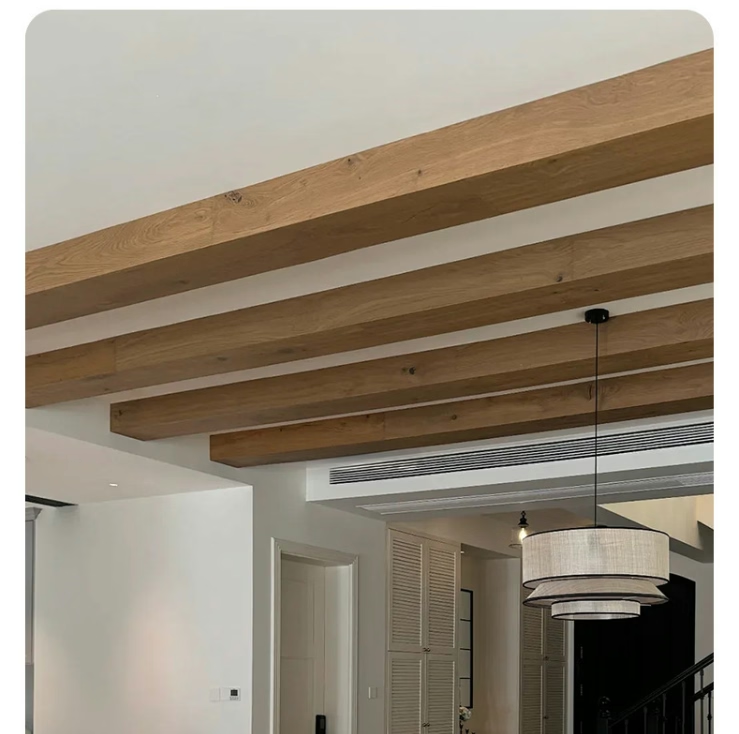
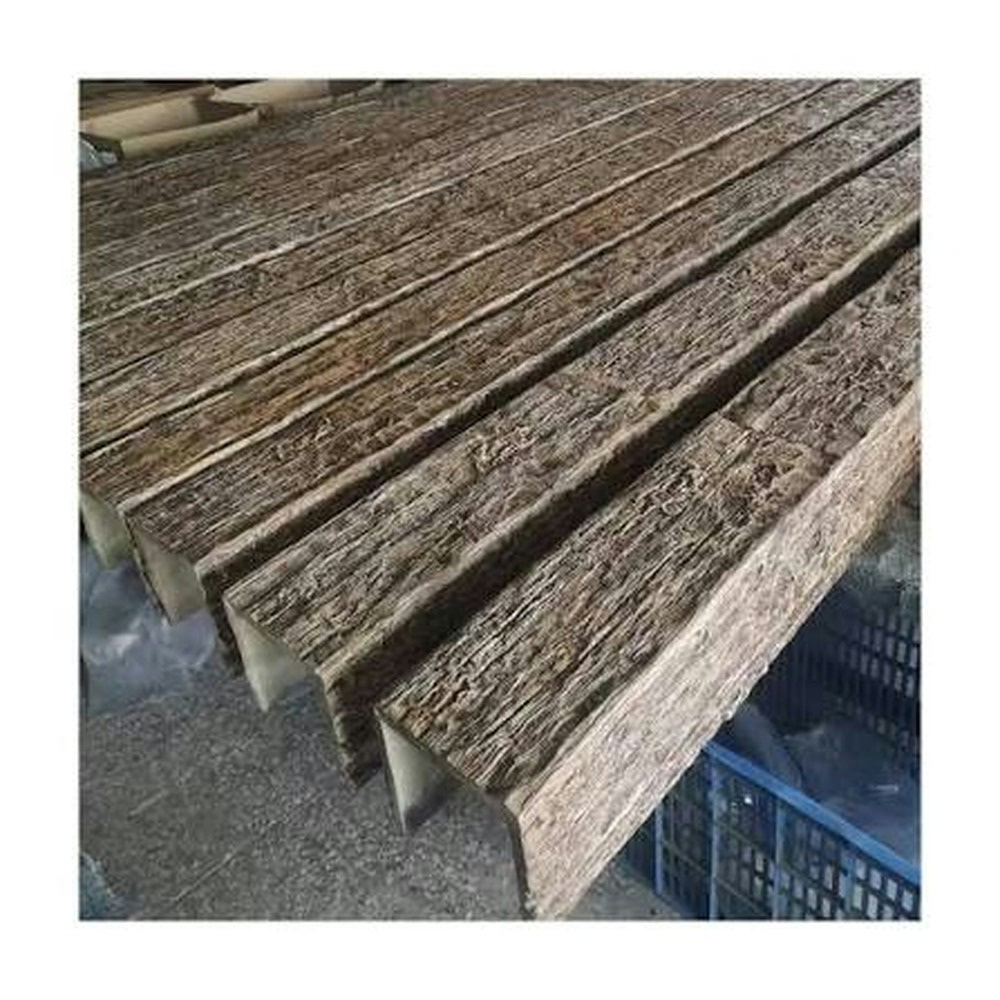
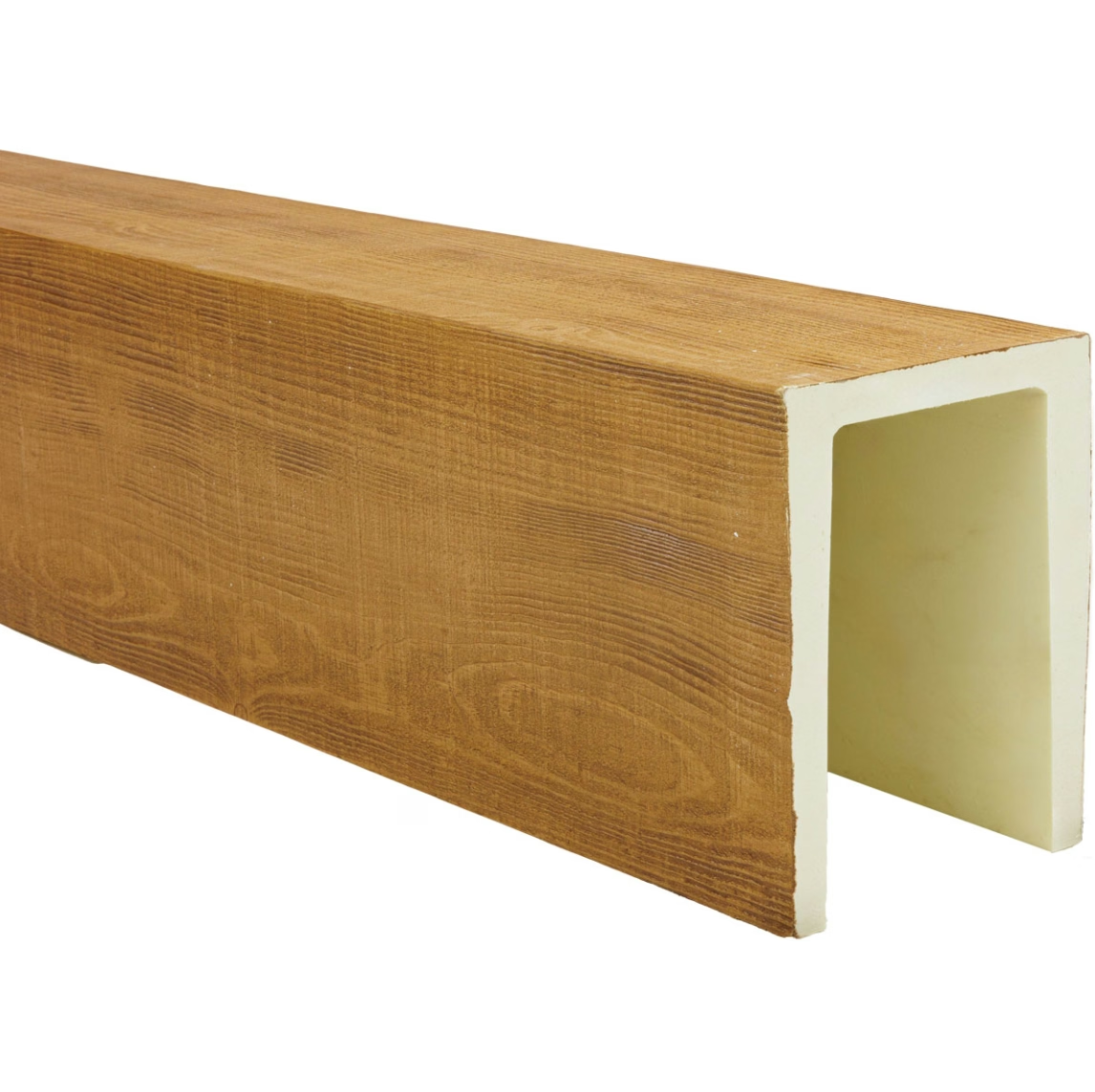
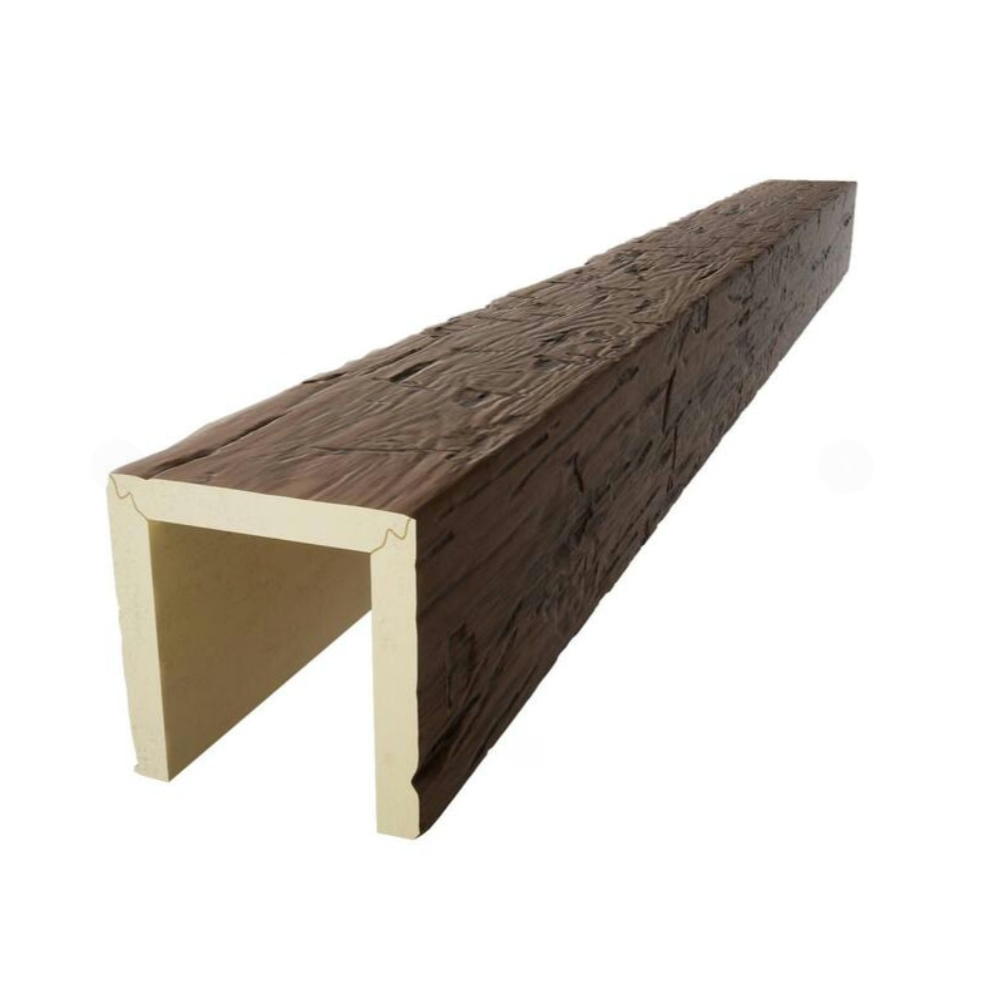
Select beam profiles matching documented historical construction methods and regional building traditions. Hand-hewn profiles suit pre-industrial structures while sawn beams fit later periods.
Finish Authenticity Standards
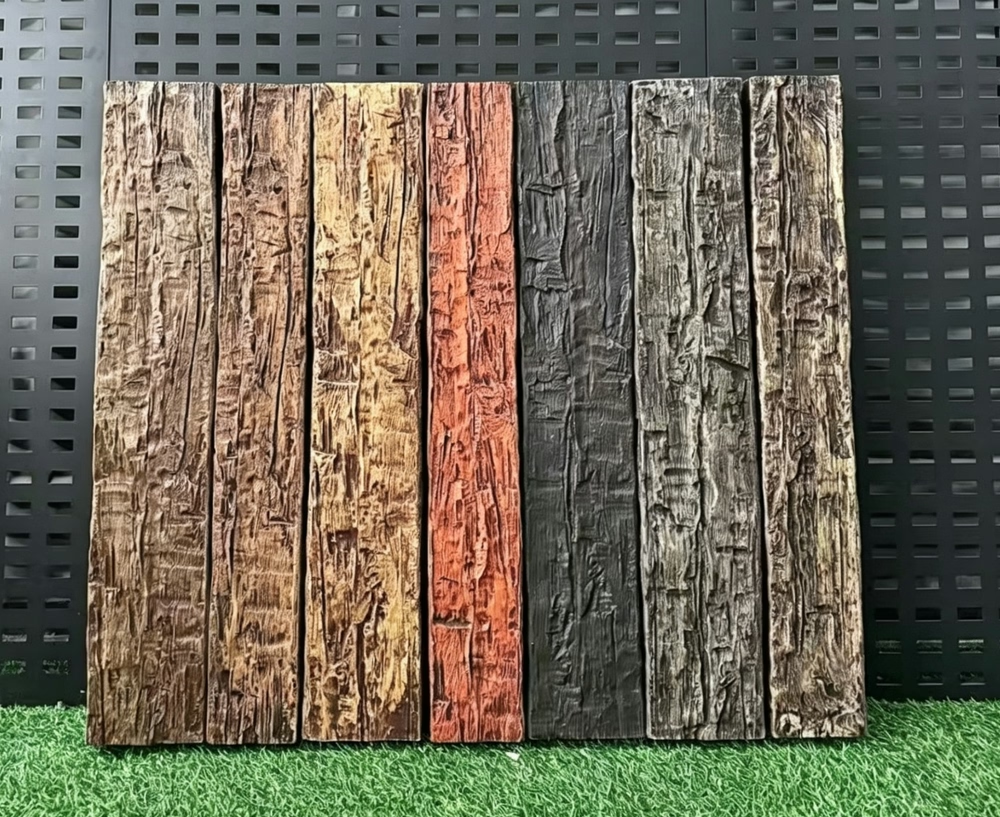
Match historical finish characteristics including wood species appearance, tool marks, aging patterns, and surface treatments. Modern uniform finishes appear inappropriate in historical contexts requiring authentic weathering and patina.
Documentation of Existing Conditions
Thoroughly document existing conditions with photographs and measured drawings before interventions. Complete documentation supports review board approval and establishes restoration baseline.
Review Board Presentation Requirements
Prepare comprehensive presentations for preservation review boards including material samples, historical precedents, and reversibility documentation. Professional presentations facilitate approval processes.
Material Compatibility Considerations
Ensure faux beam materials remain compatible with historic building materials avoiding chemical interactions or moisture trapping. Material incompatibility can damage irreplaceable historic fabric.
Non-Destructive Installation Methods
Employ installation methods avoiding damage to historic plaster, masonry, or structural members. Minimally invasive approaches preserve maximum historic fabric while achieving desired aesthetic goals.
Conclusion
Historical preservation projects require careful attention to authenticity, reversibility, period-appropriate details, and preservation standards. Professional approaches balance aesthetic goals with preservation requirements ensuring review board approval and historical integrity maintenance.
Technical References
ASTM standards cited in every specification
Test Data
Lab results from internal testing program
Updated 2026
Reviewed against current product specs