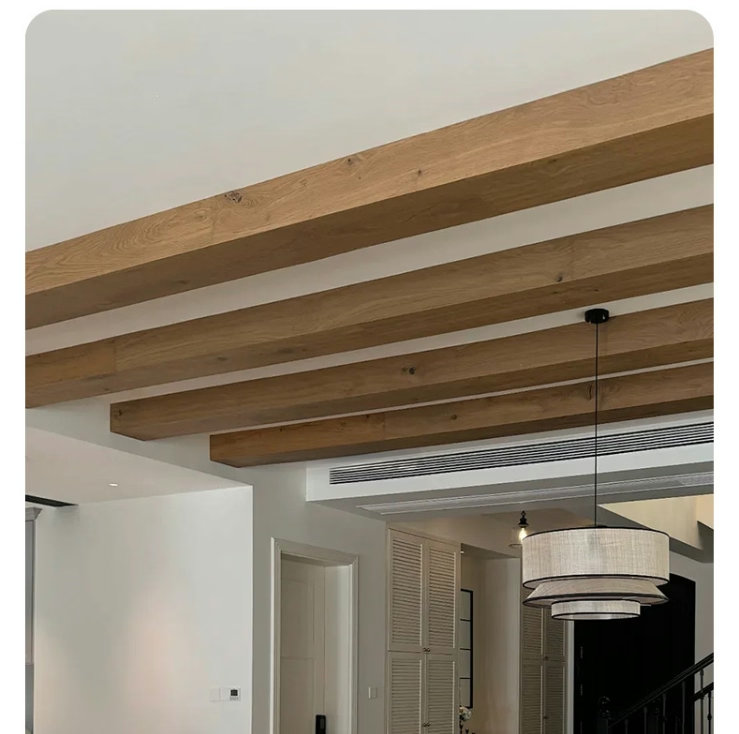
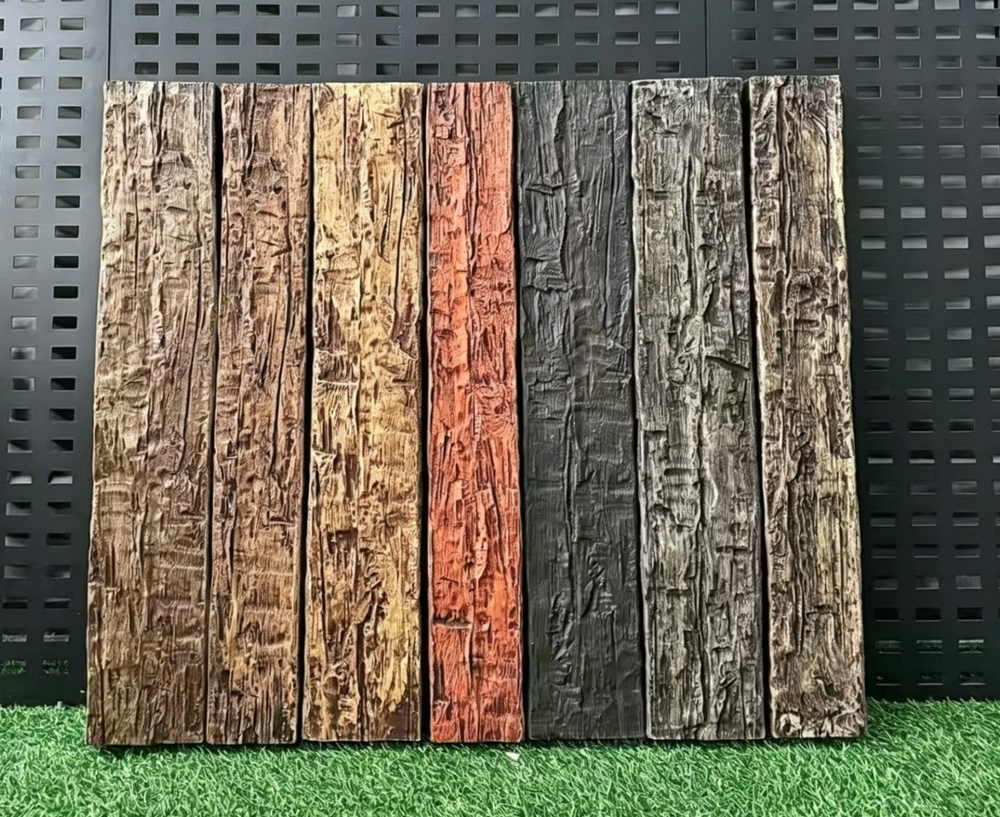
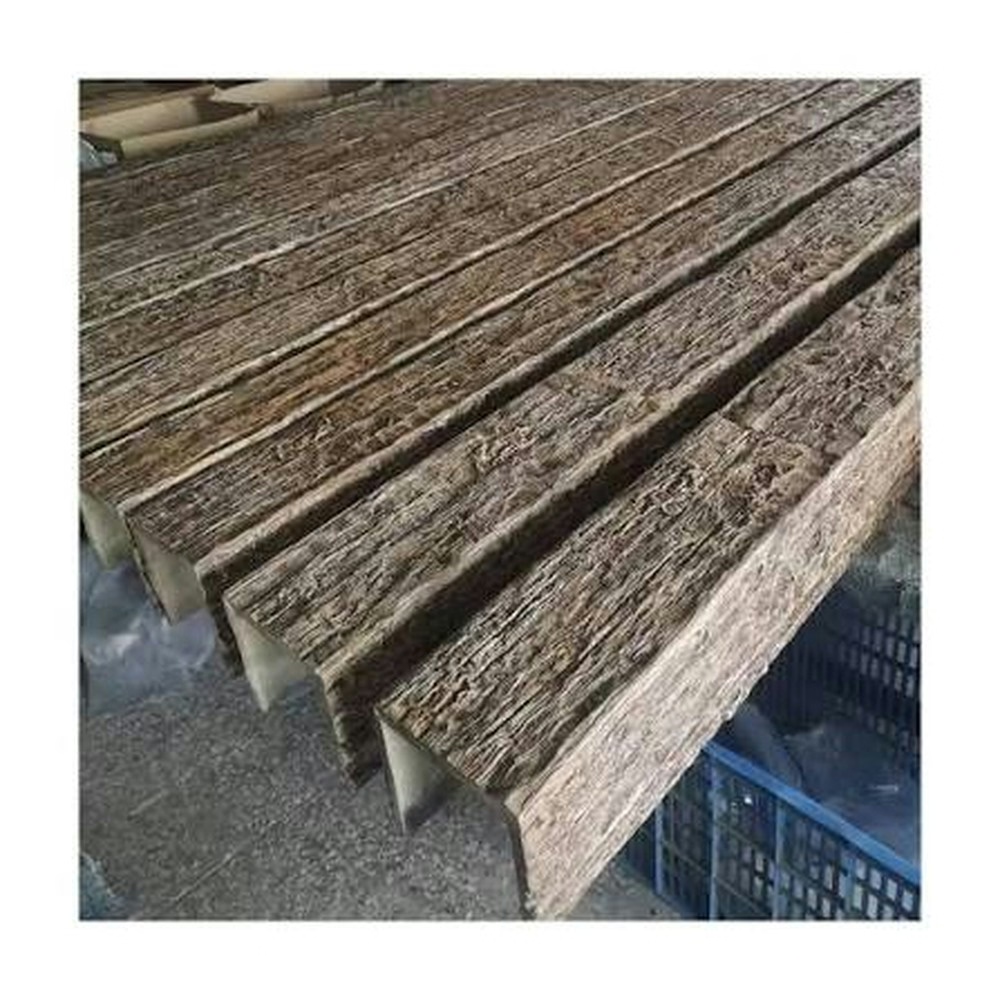
Insurance and Liability Considerations for Decorative Beam Installations
Understanding insurance and liability implications of faux beam installations protects contractors, property owners, and occupants from financial risk. Proper risk management includes coverage verification, installation documentation, and compliance with manufacturer specifications.
Contractor General Liability Coverage
Verify contractor general liability insurance covers property damage and bodily injury from installation activities. Minimum $1-2 million coverage protects against accidents during installation and potential product failure liability.
Product Liability Insurance Requirements
Manufacturers maintain product liability coverage for defects causing property damage or injury. Verify adequate manufacturer insurance exists especially for large commercial installations where failure consequences prove significant.
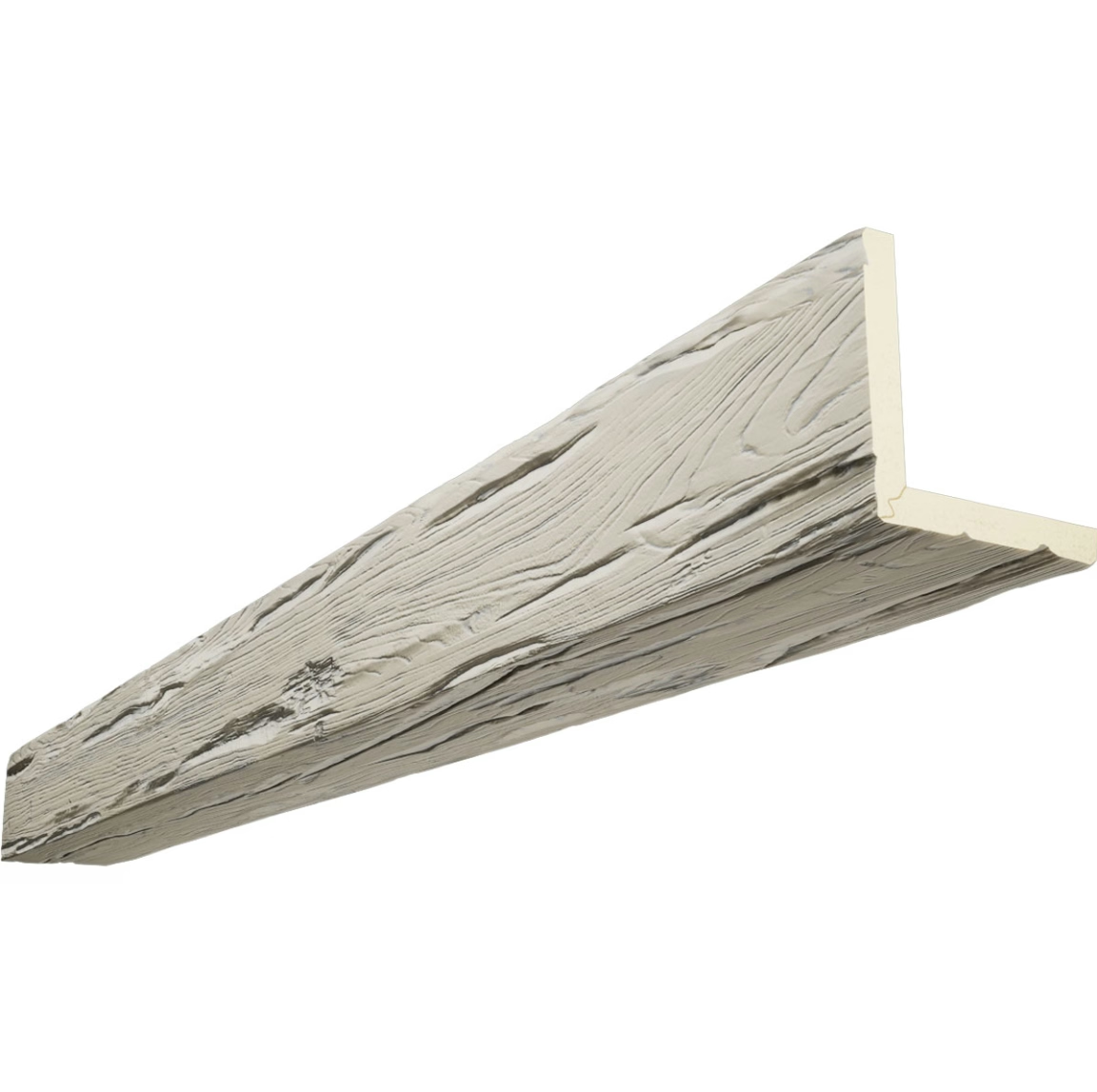
Installation Workmanship Warranty Insurance
Some contractors carry installation warranty insurance backing workmanship guarantees beyond business operating period. This coverage protects property owners if contractor businesses cease operations before warranty periods expire.
Property Insurance Considerations
Property insurance policies may require documentation of flame spread ratings for decorative materials. Provide insurers with fire testing certifications supporting premium calculations and coverage terms.
Injury Risk Management Protocols
Falling beam sections during installation pose injury risks requiring proper safety protocols including hard hats, barricades, and lift equipment. Document safety training and equipment use demonstrating due diligence.
Structural Adequacy Documentation
Maintain engineering calculations and attachment specifications demonstrating structural adequacy. This documentation defends against negligence claims if beam detachment causes property damage or injury.
Subcontractor Insurance Verification
General contractors must verify subcontractor insurance coverage before beam installation work begins. Certificate of insurance documentation transfers risk appropriately throughout contracting chain.
Indemnification Agreement Provisions
Construction contracts should include clear indemnification provisions allocating responsibility between parties for different failure modes. Legal review ensures balanced risk allocation protecting all stakeholders.
Conclusion
Proper insurance and liability management for faux beam installations requires contractor coverage verification, product liability assessment, documentation protocols, and clear contractual risk allocation. Comprehensive risk management protects financial interests of all project stakeholders.
Technical References
ASTM standards cited in every specification
Test Data
Lab results from internal testing program
Updated 2026
Reviewed against current product specs