Lifecycle Carbon Footprint Analysis: PU Beams vs. Solid Wood Alternatives
Comprehensive lifecycle carbon footprint analysis reveals environmental tradeoffs between polyurethane faux beams and solid wood alternatives. Understanding these impacts enables informed sustainable material selection balancing multiple environmental factors.
Raw Material Extraction Phase
Solid wood harvesting impacts forest ecosystems, though sustainable forestry practices minimize long-term effects. Polyurethane production relies on petroleum-derived chemicals with associated extraction and refining environmental impacts.
Manufacturing Energy Consumption
PU foam production requires significant energy for chemical processing and molding operations. Solid wood milling demands mechanical processing energy, though typically lower than polymer manufacturing on per-pound basis.
Transportation Impact Differences
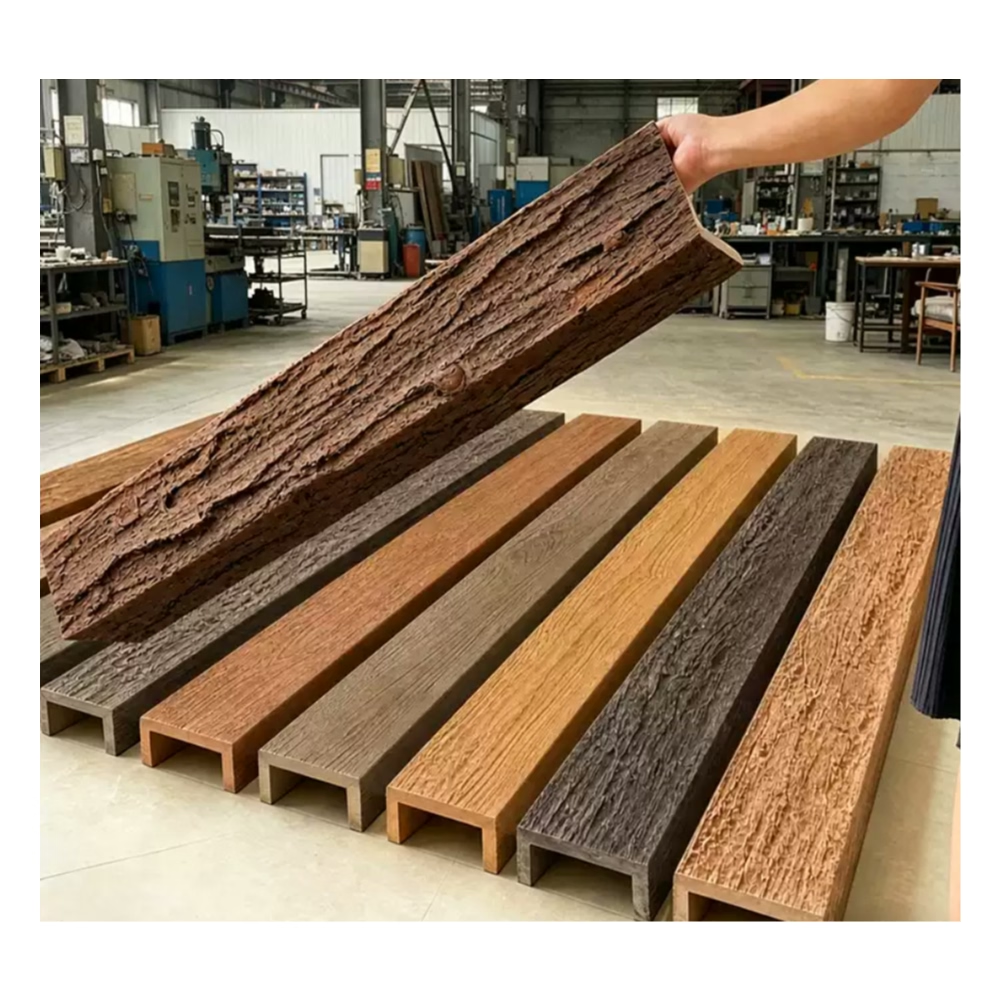
Lightweight faux beams (2 lbs/linear foot) require significantly less transportation fuel than solid wood beams (15-25 lbs/linear foot) of equivalent dimensions. This weight advantage reduces embodied carbon from logistics across supply chains.
Installation Phase Carbon Footprint
Both products generate similar installation impacts through tools, fasteners, and labor. No significant carbon footprint difference exists during installation phase between material types.
Use Phase Considerations
Minimal environmental impact occurs during use phase for both products in interior applications. Exterior applications may require periodic refinishing, with associated VOC emissions and material consumption.
End-of-Life Scenarios
Solid wood beams offer biodegradability and potential combustion energy recovery. Polyurethane recycling remains challenging, with landfill disposal typical for end-of-service beams though material is inert in landfill environments.
Durability Impact on Total Footprint
Faux beams' 50+ year service life without maintenance reduces lifecycle replacement frequency. Solid wood requiring replacement due to insect damage, warping, or rot increases total lifecycle carbon footprint.
Carbon Storage Considerations
Solid wood stores atmospheric carbon absorbed during tree growth, providing climate benefit if wood isn't burned at end-of-life. This biological carbon storage represents significant advantage over petroleum-based materials.
Conclusion
Lifecycle carbon footprint comparison between PU faux beams and solid wood involves multiple tradeoff factors including manufacturing energy, transportation efficiency, durability, and end-of-life options. Project-specific priorities determine which environmental factors carry greatest weight in material selection decisions.
Technical References
ASTM standards cited in every specification
Test Data
Lab results from internal testing program
Updated 2026
Reviewed against current product specs