Microplastic Prevention: Reducing Plastic Pollution in Production
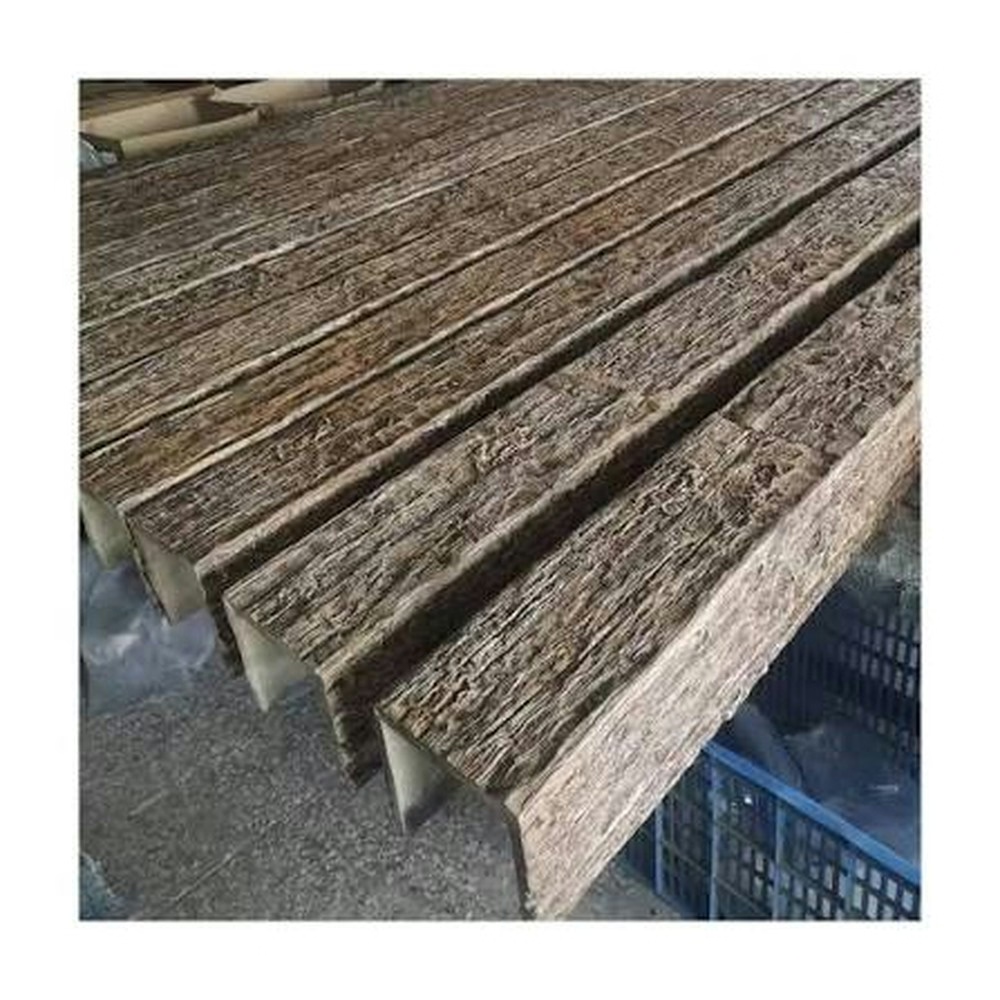
Plastic-containing faux beam manufacturing contributes to microplastic pollution through material degradation and production waste. Strategic prevention through material selection, containment systems, and filtration technologies minimizes environmental release protecting waterways, soil, and wildlife from pervasive contamination.
Material Formulation Optimization
Develop stable polymer blends resisting degradation and fragmentation during use. Enhanced material durability prevents microplastic generation from product weathering.
Production Area Containment
Install physical barriers and collection systems capturing plastic particles during manufacturing. Controlled environments prevent airborne and water-borne microplastic escape.

Wastewater Filtration Systems
Implement advanced filtration removing microplastics before discharge to municipal systems. Multi-stage treatment prevents contamination entering natural waterways.
Air Emission Filtering
Capture airborne plastic particles from cutting, grinding, and finishing operations. Effective ventilation filtration prevents atmospheric microplastic dispersion.

Storm Water Management
Prevent rainwater runoff from production areas carrying plastic debris to environment. Controlled drainage and filtration protect local water quality.
Packaging Material Reduction
Minimize plastic packaging and secondary materials contributing to environmental contamination. Sustainable alternatives reduce microplastic generation throughout product lifecycle.
Employee Training Protocols
Educate workers about microplastic concerns and proper material handling procedures. Cultural awareness amplifies technical prevention measures through careful daily practices.
Monitoring and Reporting
Test effluent and ambient samples quantifying microplastic release and prevention effectiveness. Data-driven assessment guides continuous improvement and demonstrates environmental responsibility.
Conclusion
Microplastic beam prevention requires material formulation optimization, production area containment, wastewater filtration systems, and air emission filtering. Strategic pollution control protects ecosystems through storm water management, packaging material reduction, employee training protocols, and monitoring reporting minimizing environmental contamination with comprehensive manufacturing controls preventing plastic pollution.
Technical References
ASTM standards cited in every specification
Test Data
Lab results from internal testing program
Updated 2026
Reviewed against current product specs