Mid-Century Modern Adaptation: Sleek Profiles and Walnut Finish Integration
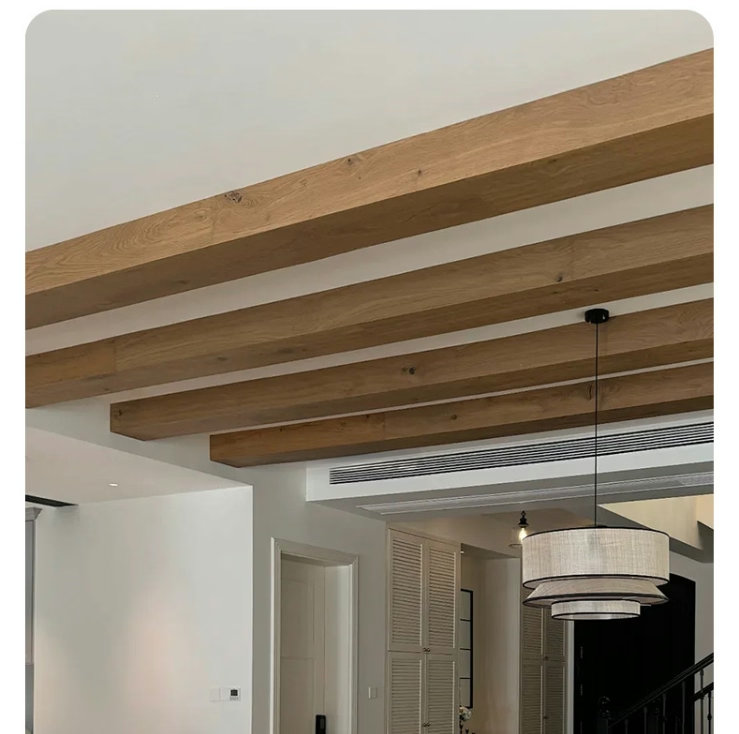
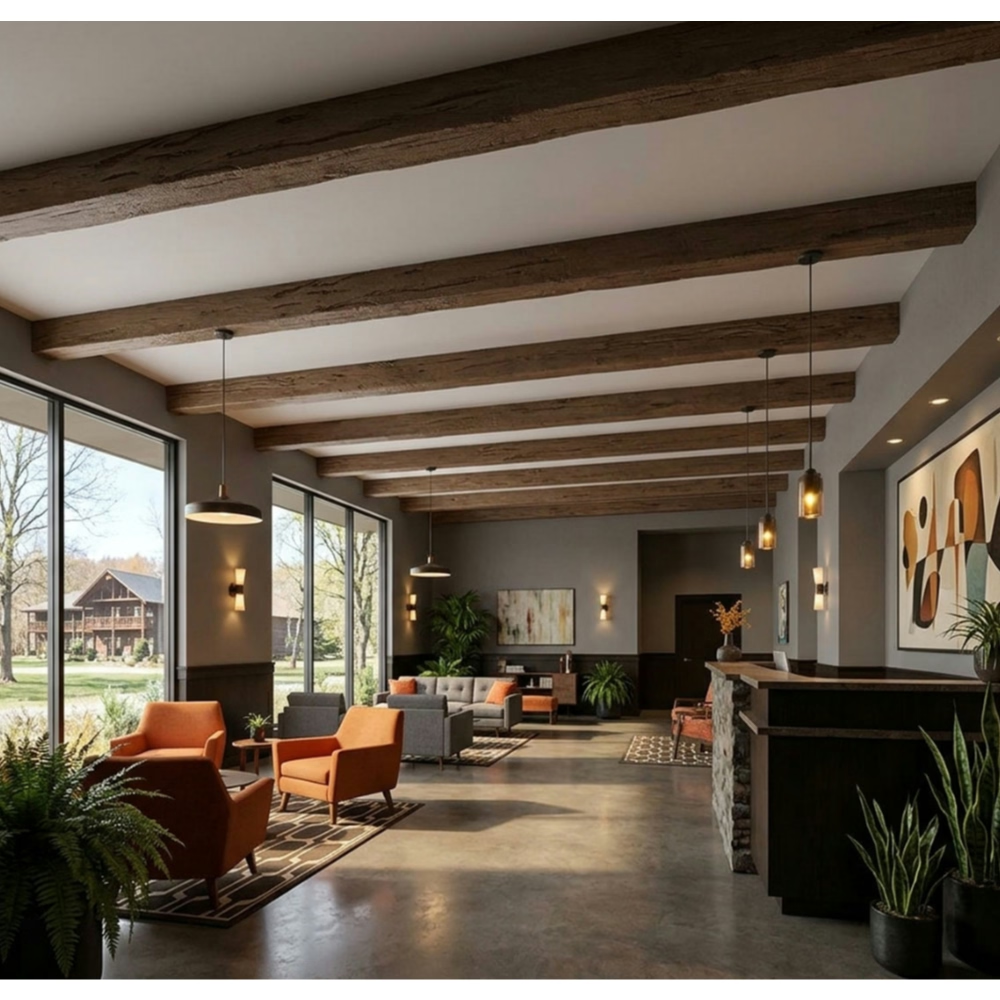
Mid-century modern interiors benefit from sleek faux beams in rich walnut tones adding architectural interest while respecting period design principles. Strategic beam applications create vintage modern character supporting 1950s-1960s aesthetic sensibilities.
Smooth Profile Selection
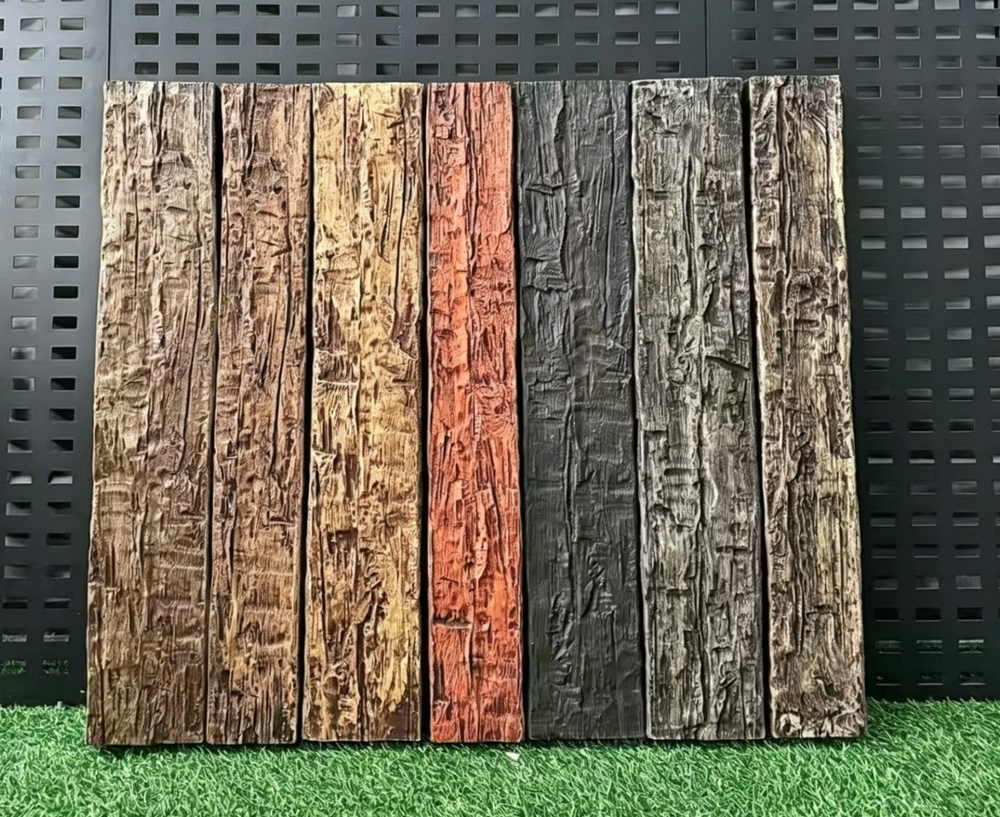
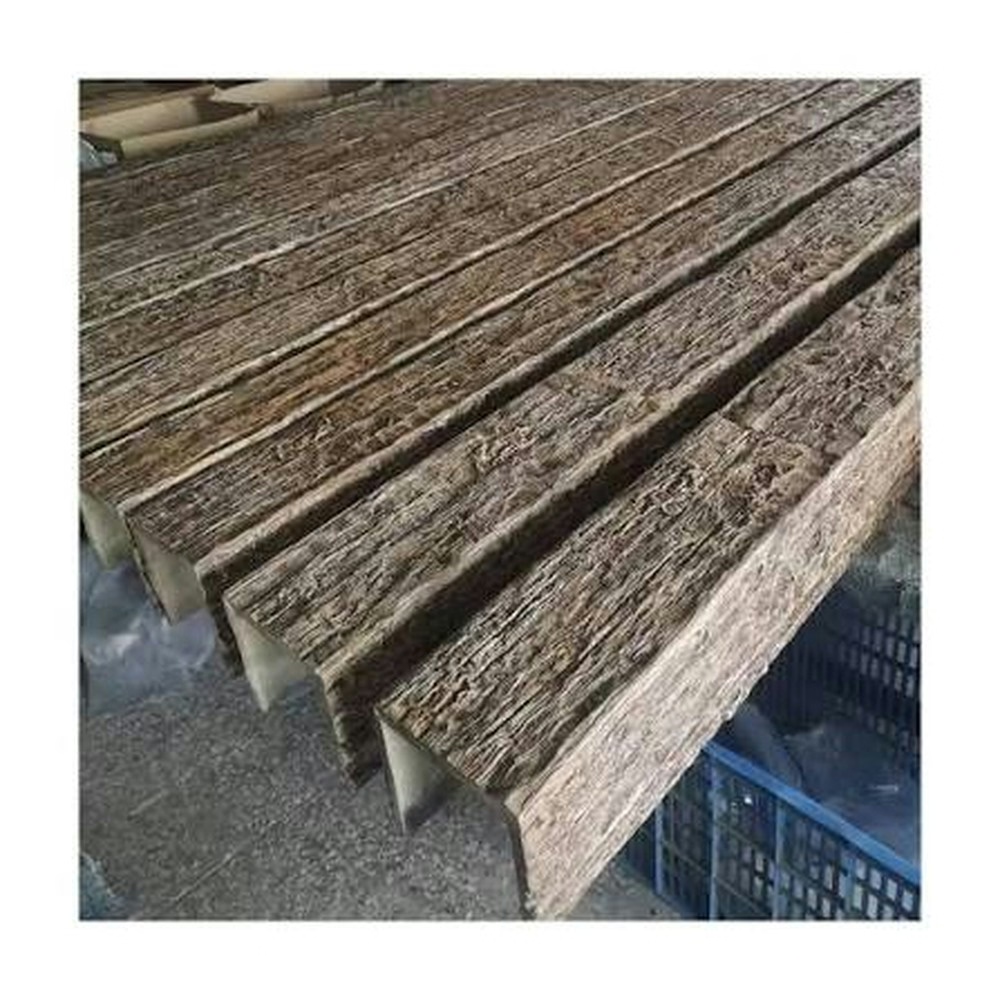
Select smooth-surfaced beam profiles without distressing or heavy texture maintaining mid-century modern clean aesthetic. Refined surfaces complement period furniture and architectural detailing.
Rich Walnut Tone Specification
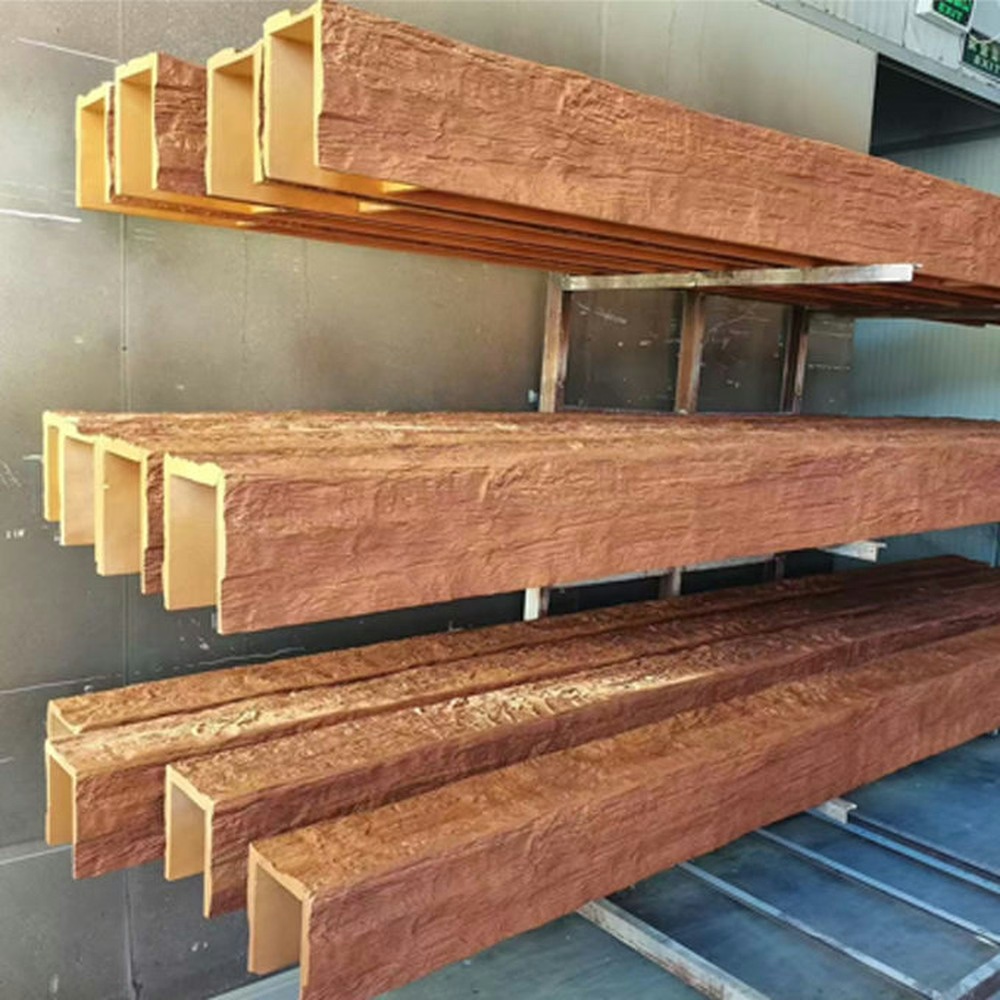
Apply rich walnut stains creating warm brown tones characteristic of mid-century wood furniture and paneling. Walnut coloration integrates beams into authentic period palette.
Horizontal Line Emphasis
Arrange beams emphasizing horizontal lines reflecting mid-century modern architectural emphasis on lateral movement and ground connection. Horizontal orientation creates calm visual flow.
Minimal Ornamentation Approach
Avoid decorative corbels, brackets, or applied details maintaining mid-century modern minimalist principles. Clean unadorned beam installations respect period aesthetic restraint.
Geometric Spacing Patterns
Space beams in regular geometric intervals creating ordered visual rhythm. Precise spacing reflects mid-century modern emphasis on rational design and mathematical proportion.
Teak and Rosewood Coordination
Coordinate walnut beams with teak or rosewood furniture creating cohesive wood tone palette. Material harmony reinforces authentic mid-century modern character.
Integrated Lighting Solutions
Incorporate flush or recessed lighting maintaining clean ceiling planes. Mid-century modern design values integrated lighting avoiding applied fixtures disrupting visual continuity.
Open Plan Space Division
Use beams to subtly define zones within open floor plans without physical walls. Beam placement creates spatial definition while maintaining mid-century modern openness.
Conclusion
Mid-century modern adaptation requires sleek smooth beam profiles, rich walnut tones, horizontal emphasis, and minimal ornamentation. Strategic refined applications create vintage modern character supporting 1950s-1960s design aesthetics with clean lines, warm wood tones, and rational geometric principles.
Technical References
ASTM standards cited in every specification
Test Data
Lab results from internal testing program
Updated 2026
Reviewed against current product specs