Moisture Barrier Integration Behind Beams in High-Humidity Environments
High-humidity environments require moisture management strategies preventing condensation and mold growth behind faux beams. Proper moisture barrier integration and ventilation design protect building assemblies while maintaining beam aesthetic appeal.
Vapor Permeability Considerations
Understand wall assembly vapor permeability before adding moisture barriers behind beams. Improper barrier placement can trap moisture within wall assemblies causing hidden damage despite surface protection.
Air Gap Ventilation Design
Create 1/4 inch minimum air gap between beam back and ceiling/wall surfaces allowing air circulation. Ventilation prevents moisture accumulation in enclosed spaces behind decorative elements.
Furring Strip Installation Method
Mount beams on furring strips rather than direct surface attachment creating automatic ventilation space. This simple technique provides moisture management without complex barrier systems.
Breathable Membrane Applications
Use vapor-permeable membranes allowing moisture vapor transmission while blocking liquid water. Breathable barriers prevent condensation accumulation without creating vapor traps.
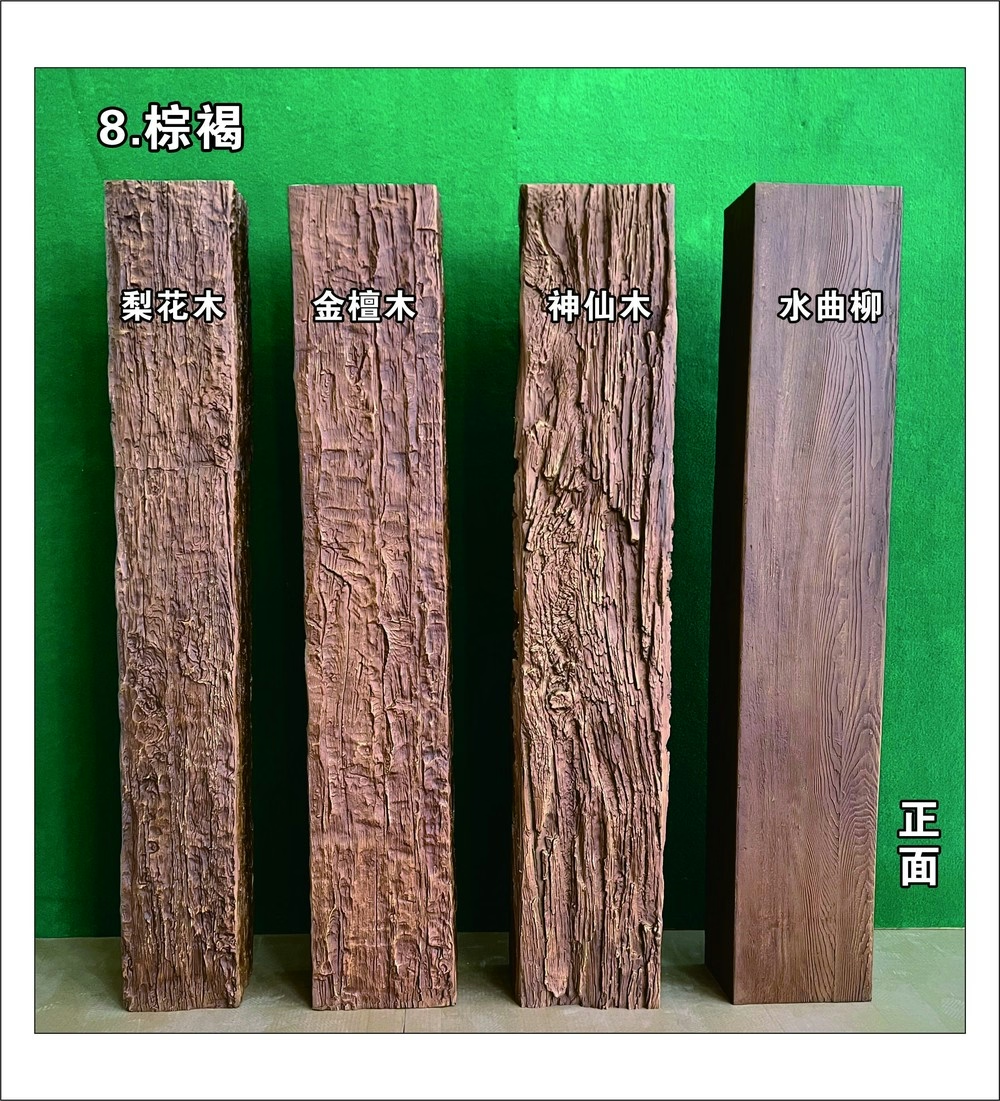
Coastal Environment Special Requirements
Salt-laden humid air in coastal regions demands enhanced corrosion protection for mounting hardware and moisture management. Stainless steel fasteners and improved ventilation address coastal challenges.
Condensation Risk Assessment
Evaluate temperature differentials and dew point locations within wall assemblies determining condensation risk. Professional hygrothermal modeling supports moisture management system design for critical applications.
Monitoring Access Provisions
Design beam installations allowing periodic inspection of moisture conditions behind elements. Access provisions enable early moisture problem detection before significant damage occurs.
Climate-Specific Strategy Selection
Hot-humid, cold-humid, and mixed-humid climates require different moisture management approaches. Match barrier and ventilation strategies to specific climate zone requirements following building science principles.
Conclusion
Moisture barrier integration in high-humidity environments requires understanding vapor permeability, providing ventilation gaps, and matching strategies to climate zones. Proper moisture management prevents hidden damage while maintaining decorative beam performance and appearance.
Technical References
ASTM standards cited in every specification
Test Data
Lab results from internal testing program
Updated 2026
Reviewed against current product specs