Recessed Lighting Compatibility with PU Faux Beam Layouts
Integrating recessed lighting with polyurethane faux beam layouts requires precise coordination to maintain both illumination effectiveness and architectural aesthetics. Strategic planning ensures seamless results.
Pre-Installation Lighting Assessment
Map all existing and planned recessed fixture locations before finalizing beam placement. Document fixture diameters, trim styles, and required clearances to prevent installation conflicts.
Beam Positioning Around Fixtures
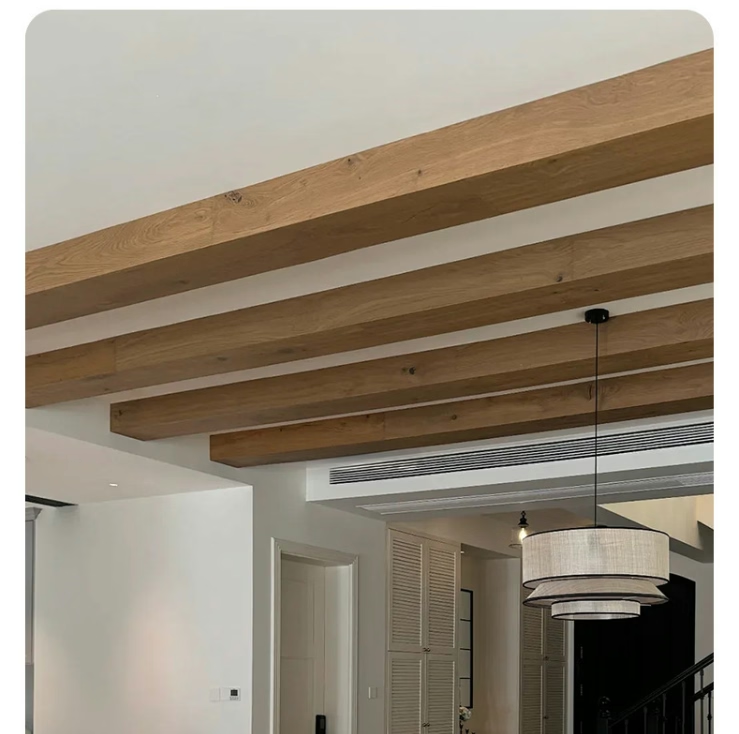
Position beams to avoid covering recessed fixtures while maintaining intended lighting patterns. Strategic beam placement between fixture rows creates rhythmic visual elements without compromising illumination coverage.
Hollow Beam Structure Advantage
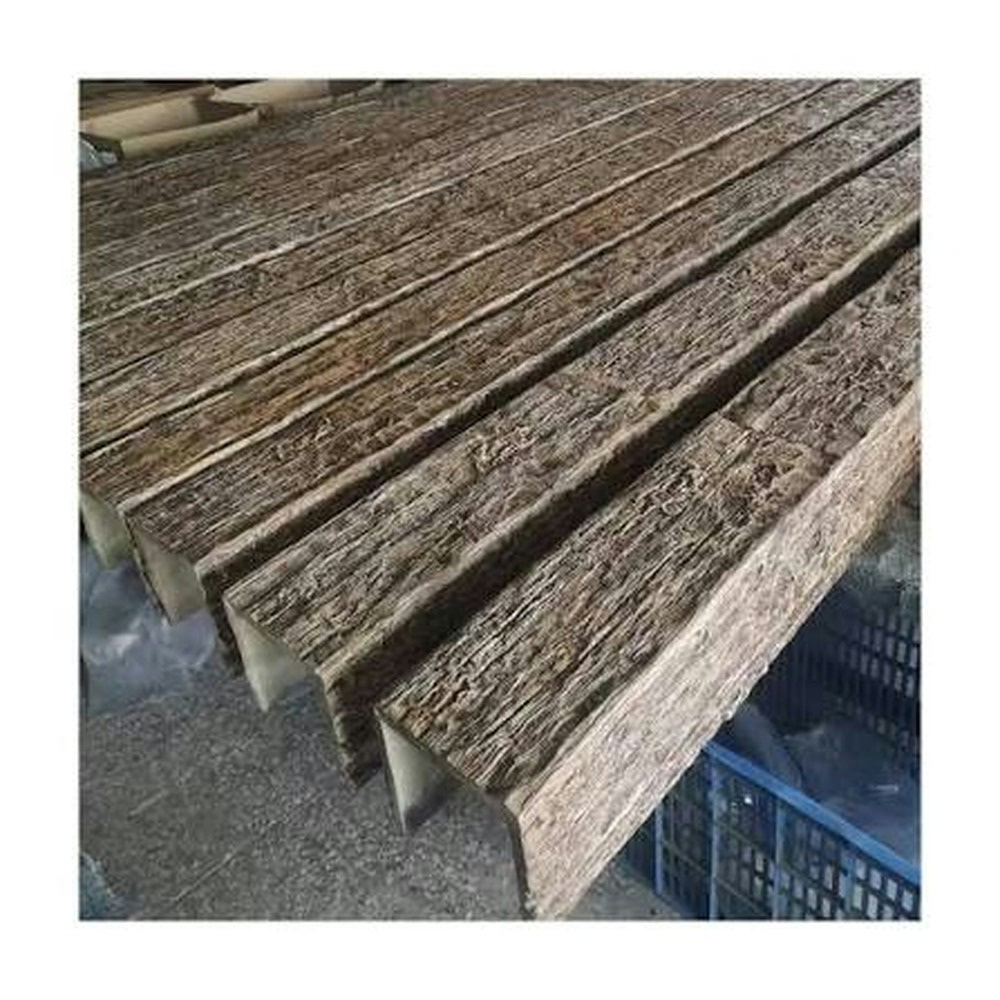
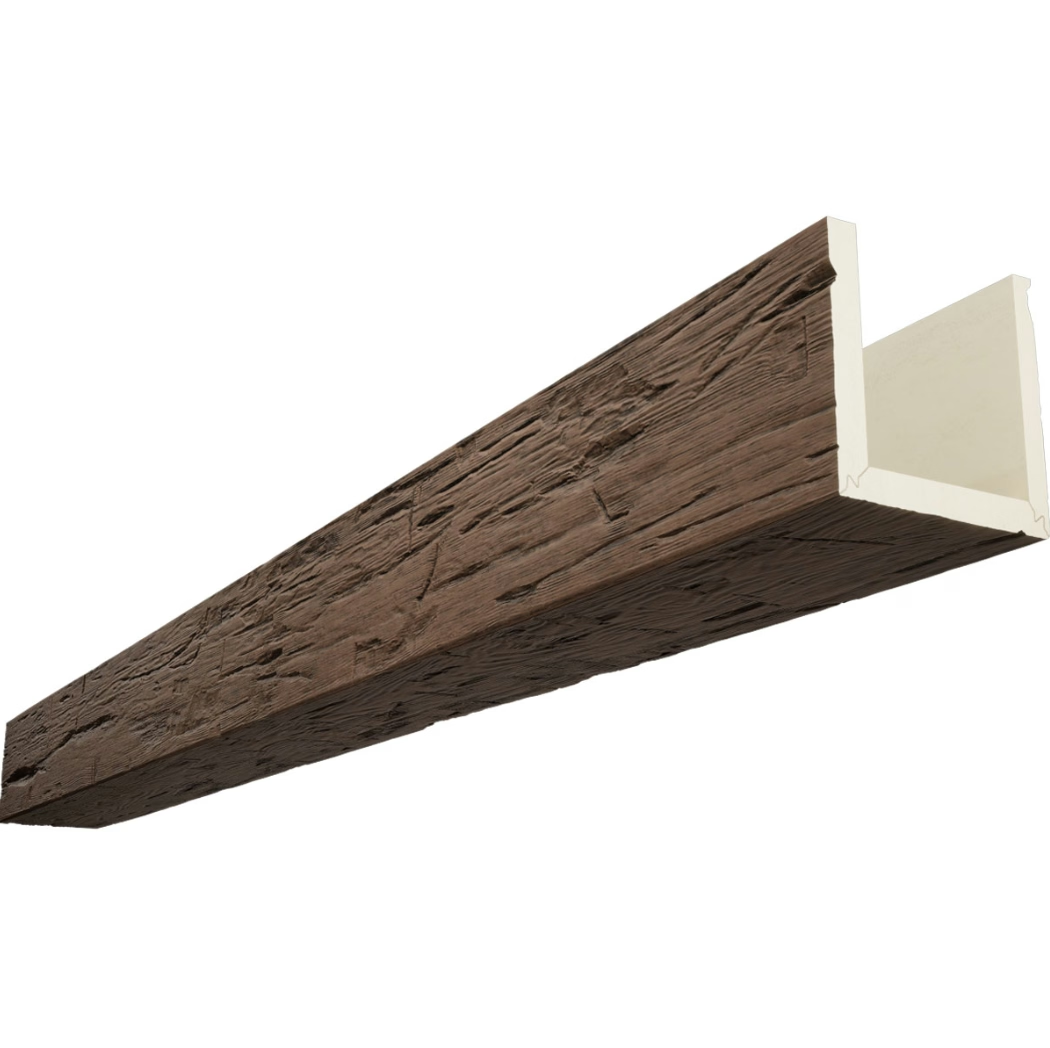
The hollow nature of PU faux beams allows for selective cutouts when beam paths must cross fixture locations. Custom openings accommodate recessed cans while maintaining beam appearance from viewing angles.
Clearance Requirements
Maintain manufacturer-specified clearances around recessed fixtures for heat dissipation and bulb replacement access. Typical requirements range from 2-4 inches depending on fixture type and wattage.
LED Fixture Benefits
Modern LED recessed fixtures generate minimal heat, allowing closer beam proximity compared to traditional incandescent or halogen fixtures. This flexibility expands layout options in beam-intensive designs.
Trim Ring Coordination
Select recessed fixture trim rings that complement beam finishes. Matching or coordinating metallic finishes create cohesive ceiling designs rather than competing visual elements.
Shadow and Depth Effects
Beams positioned between recessed fixtures can create intentional shadow lines that enhance perceived ceiling depth. This interplay between light and structure adds architectural interest.
Installation Sequence Planning
Install recessed fixtures before beam mounting to ensure proper electrical connections and fixture positioning. This sequence prevents access difficulties and allows for final beam adjustments.
Conclusion
Successful recessed lighting integration with PU faux beams requires early coordination, precise measurements, and understanding of both lighting and structural requirements. Proper planning delivers functional illumination within aesthetically pleasing beam layouts.
Technical References
ASTM standards cited in every specification
Test Data
Lab results from internal testing program
Updated 2026
Reviewed against current product specs