Regenerative Design Principles: Biomimicry in Faux Wood Engineering
Nature provides billions of years of design optimization offering sustainable engineering solutions. Strategic biomimicry application through natural pattern replication, material efficiency learning, and ecosystem process inspiration creates regenerative products mimicking nature's sustainable strategies improving performance while reducing environmental impact.
Natural Grain Pattern Optimization
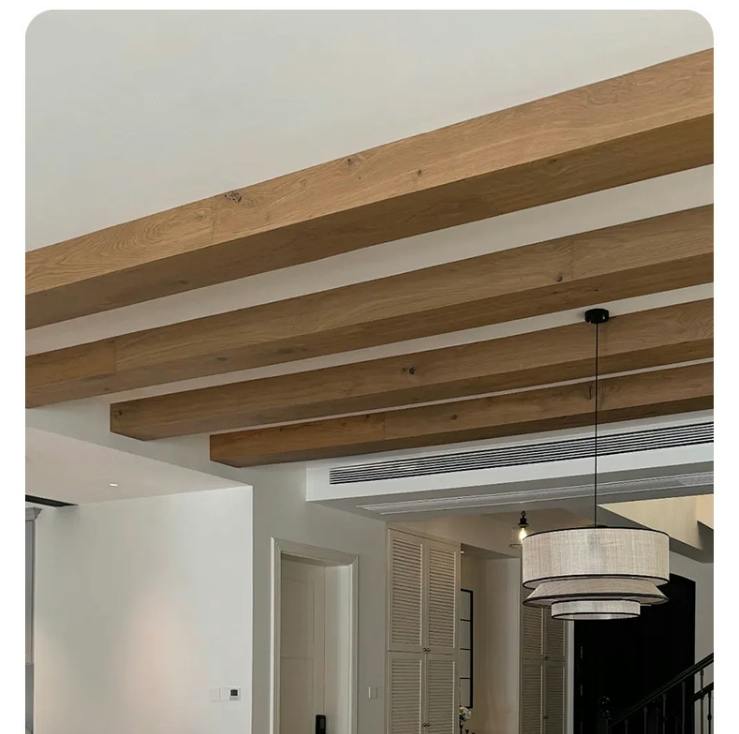
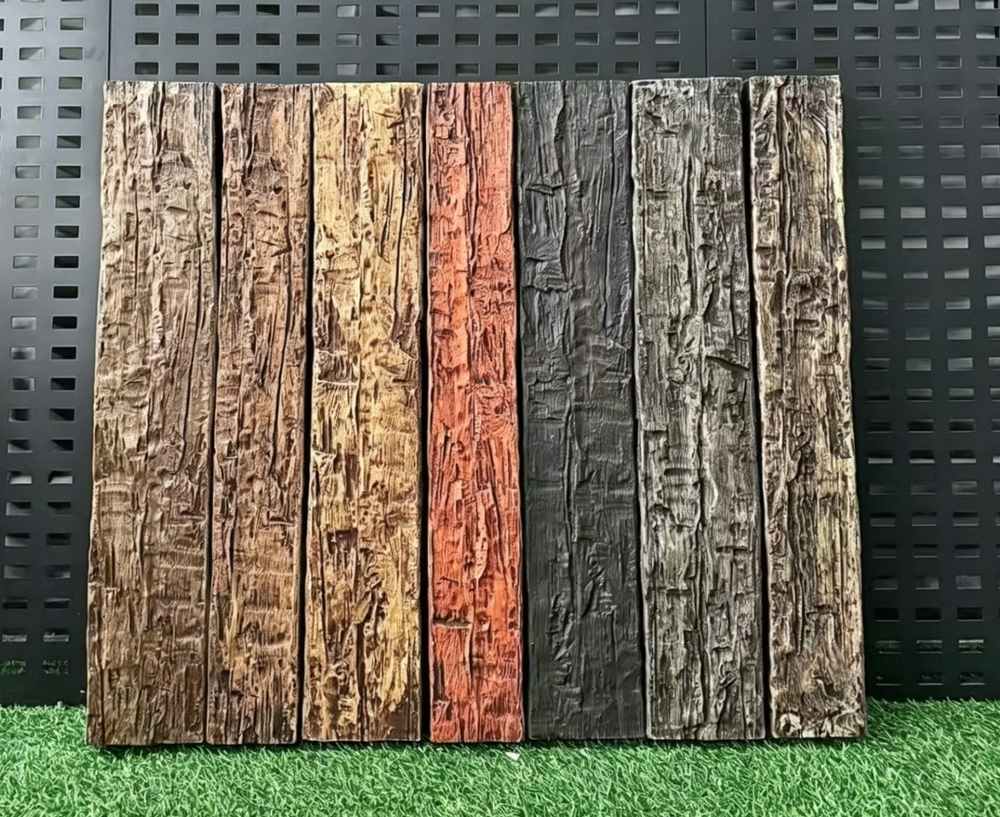
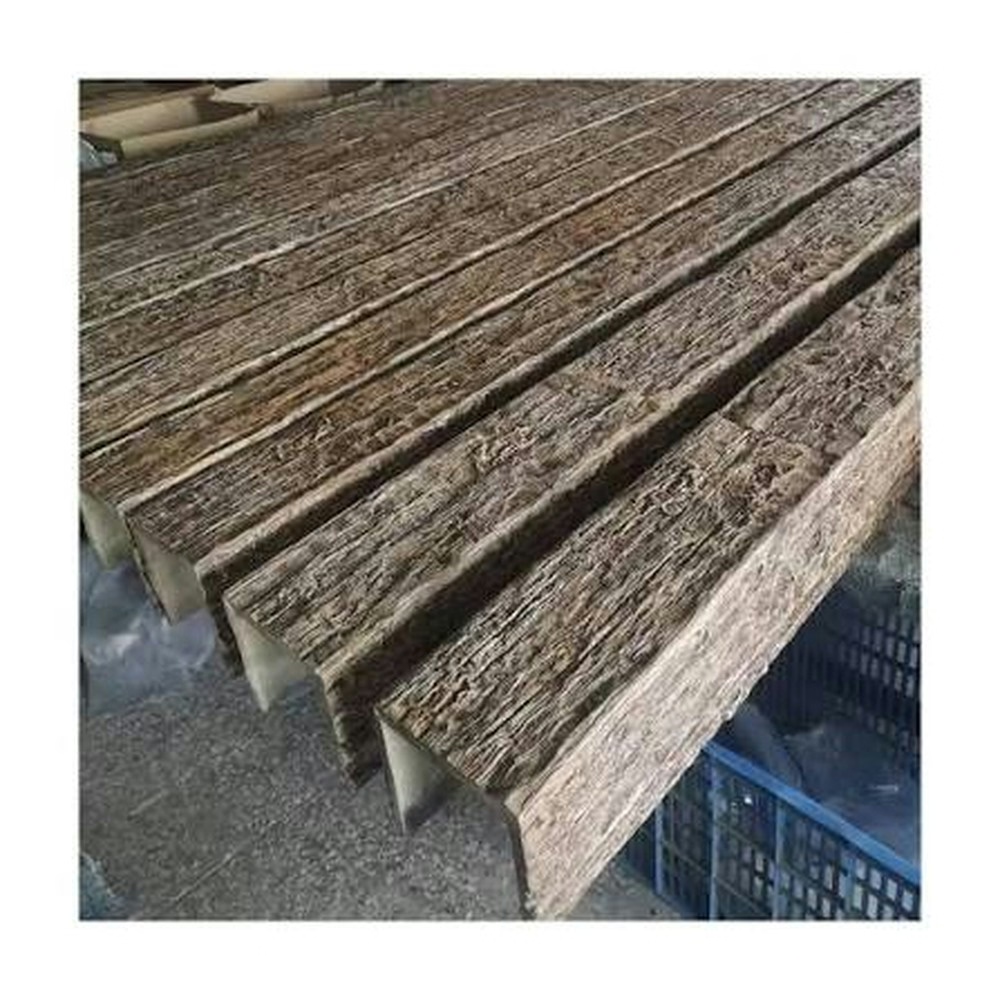
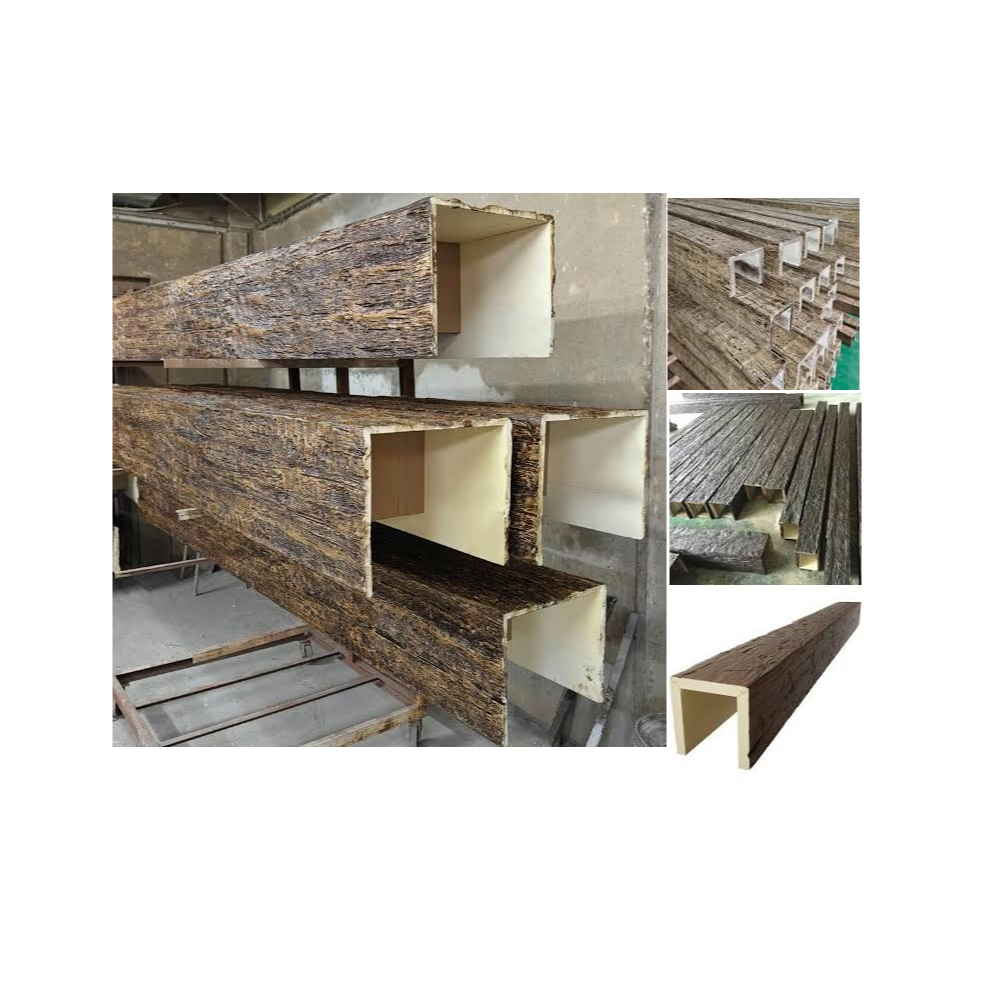
Study wood cellular structure creating realistic appearance with minimal material. Nature-inspired patterns achieve authenticity efficiently through biological understanding.
Self-Healing Material Development
Incorporate microcapsule or vascular systems enabling damage repair like living organisms. Biomimetic repair extends product life reducing replacement needs.
Hydrophobic Surface Structures
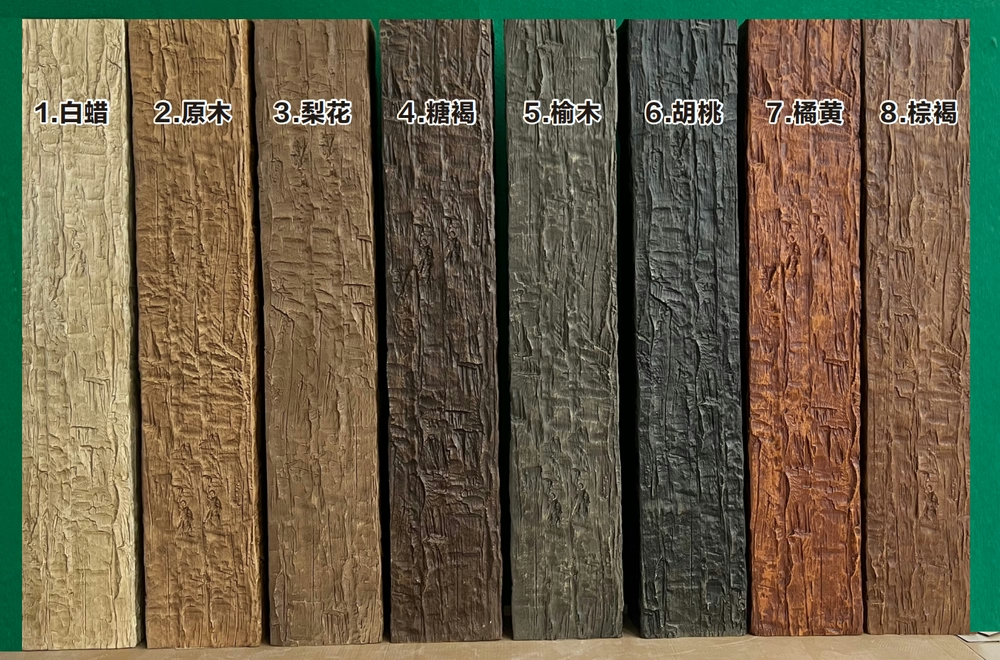
Replicate lotus leaf texture creating water-repellent surfaces without chemical coatings. Structural water resistance eliminates toxic treatments while improving performance.
Thermal Regulation Mechanisms
Mimic termite mound ventilation or animal fur insulation optimizing temperature performance. Nature-inspired thermal design improves comfort and energy efficiency.
Material Efficiency from Nature
Study bone or plant structure achieving strength with minimal material through strategic geometry. Biological optimization reduces resource consumption while maintaining performance.
Adaptive Color Systems
Develop materials changing appearance with environmental conditions like chameleon skin. Responsive surfaces provide functionality through biomimetic innovation.
Circular Metabolism Design
Model product lifecycles on natural nutrient cycles ensuring complete material recovery. Ecosystem-inspired circularity eliminates waste through biological process emulation.
Ecosystem Service Provision
Engineer products providing environmental benefits like air purification or humidity regulation. Functional biomimicry creates positive ecological contributions beyond passive sustainability.
Conclusion
Regenerative design beam principles require natural grain pattern optimization, self-healing material development, hydrophobic surface structures, and thermal regulation mechanisms. Strategic biomimicry application achieves sustainable innovation through material efficiency from nature, adaptive color systems, circular metabolism design, and ecosystem service provision creating nature-inspired engineering improving product performance while reducing environmental impact with regenerative approaches mimicking biological optimization strategies.
Technical References
ASTM standards cited in every specification
Test Data
Lab results from internal testing program
Updated 2026
Reviewed against current product specs