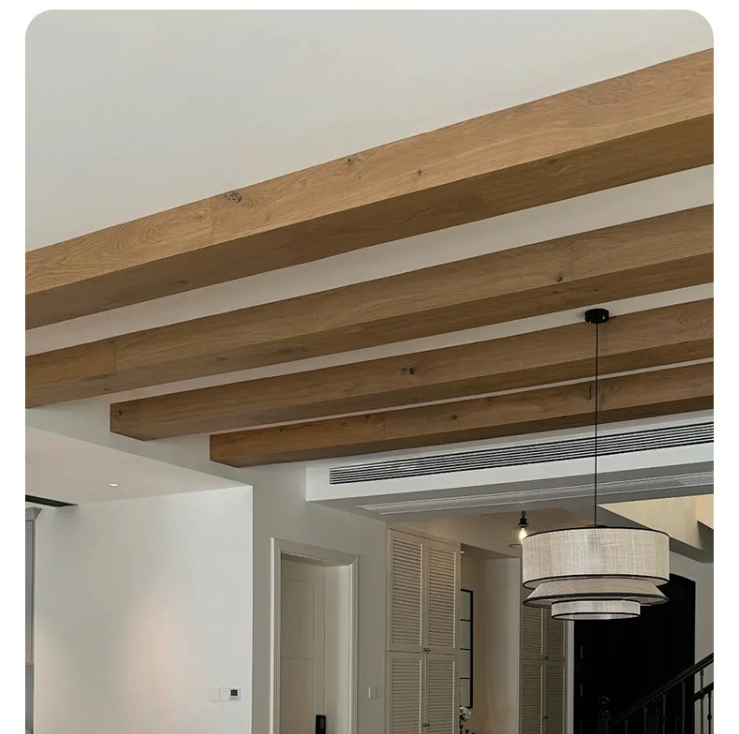
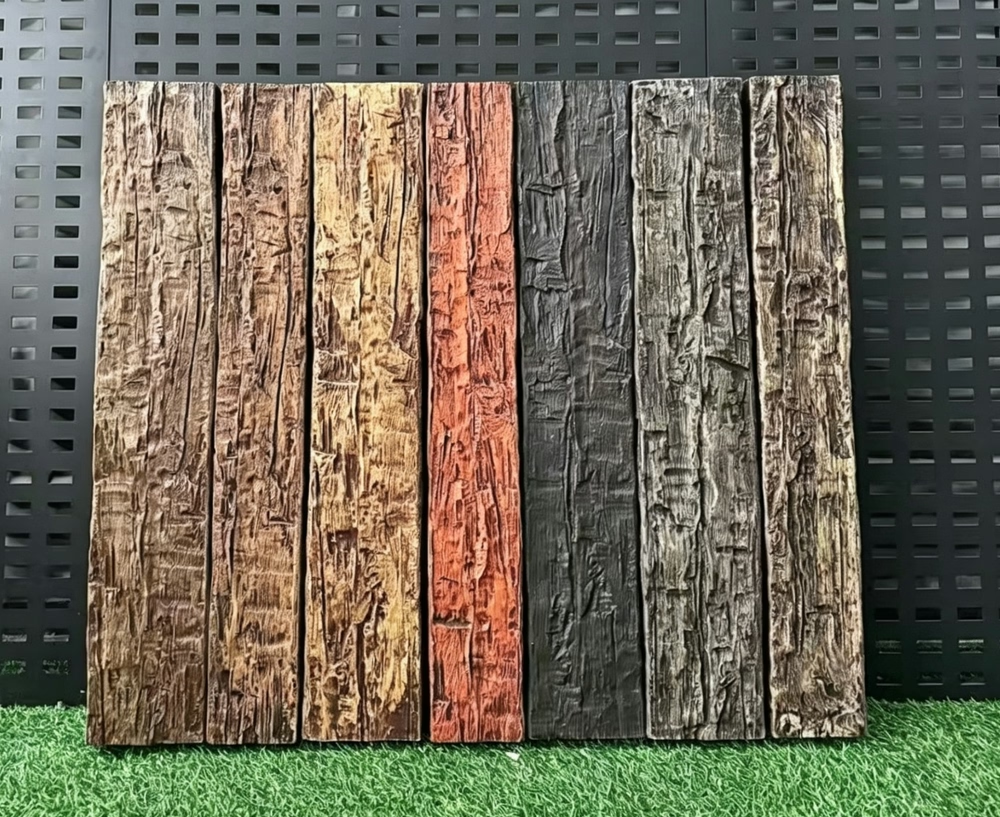
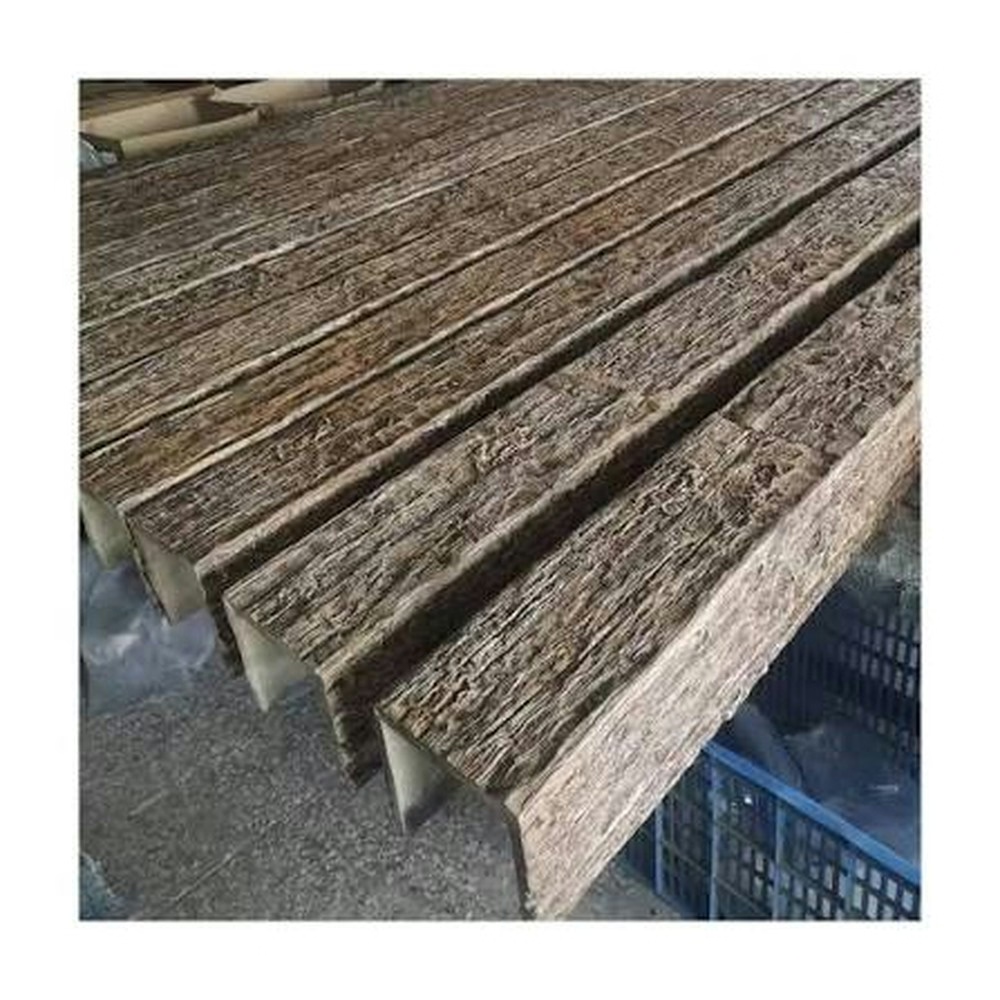
Water-Based vs. Solvent-Based Stain Environmental Impact Comparison
Stain and finish selection significantly affects faux beam environmental profile and indoor air quality. Understanding differences between water-based and solvent-based systems enables informed specification balancing performance, aesthetics, and environmental concerns.
VOC Content Comparison
Solvent-based stains typically contain 400-550 g/L VOCs, while water-based alternatives range 50-150 g/L. This substantial difference directly impacts indoor air quality and environmental emissions during application and curing.
Application Health and Safety
Water-based stains eliminate strong solvent odors and reduce installer exposure to harmful chemicals. Improved workplace safety and occupant comfort during application make water-based systems preferable for occupied buildings.
Cleanup and Waste Management
Water cleanup for water-based stains eliminates hazardous waste generation from solvent-contaminated materials. This simplifies disposal requirements and reduces environmental impact of finishing operations.
Performance Characteristic Tradeoffs
Solvent-based stains penetrate deeper and provide more vibrant color saturation traditionally. Modern water-based formulations increasingly match performance while maintaining environmental advantages, narrowing historical performance gaps.

Durability and Longevity Considerations
Both systems provide adequate durability for interior faux beam applications when properly applied. Exterior applications may favor solvent-based systems for enhanced moisture resistance, though UV exposure remains the limiting factor.
Drying Time and Project Scheduling
Water-based stains typically dry faster than solvent-based alternatives, enabling quicker recoat cycles and project completion. This efficiency reduces overall project duration and associated costs.
Temperature and Humidity Sensitivity
Water-based stains require careful environmental control during application and curing. Cold or high-humidity conditions complicate application compared to more forgiving solvent-based systems.
Cost Analysis Considerations
Water-based stains often carry higher material cost per gallon. However, reduced VOC compliance costs, easier cleanup, and health benefits may offset initial price premium in total project economics.
Conclusion
Water-based stain systems offer substantial environmental and health advantages over solvent-based alternatives with minimal performance compromise for most faux beam applications. Modern formulations make water-based systems the preferred choice for environmentally conscious projects.
Technical References
ASTM standards cited in every specification
Test Data
Lab results from internal testing program
Updated 2026
Reviewed against current product specs