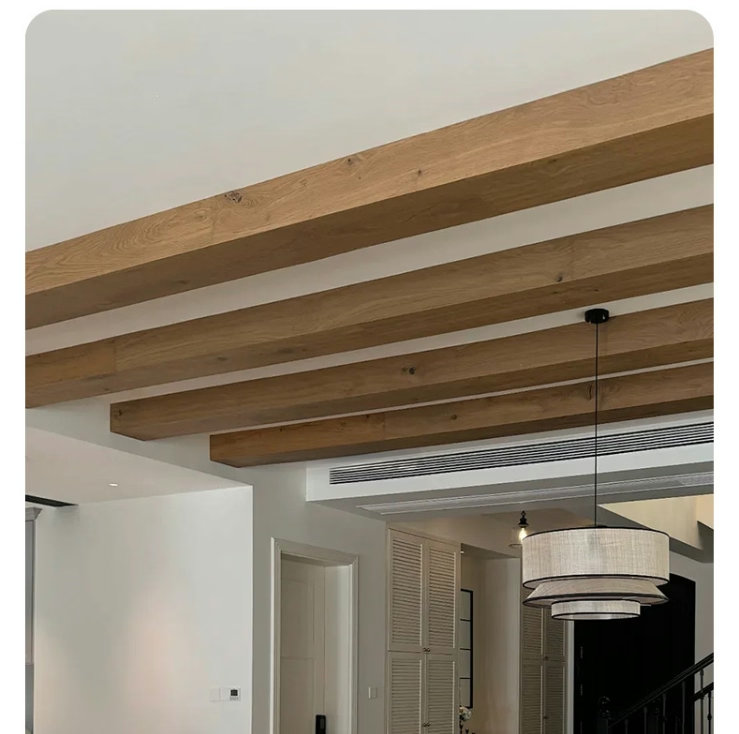
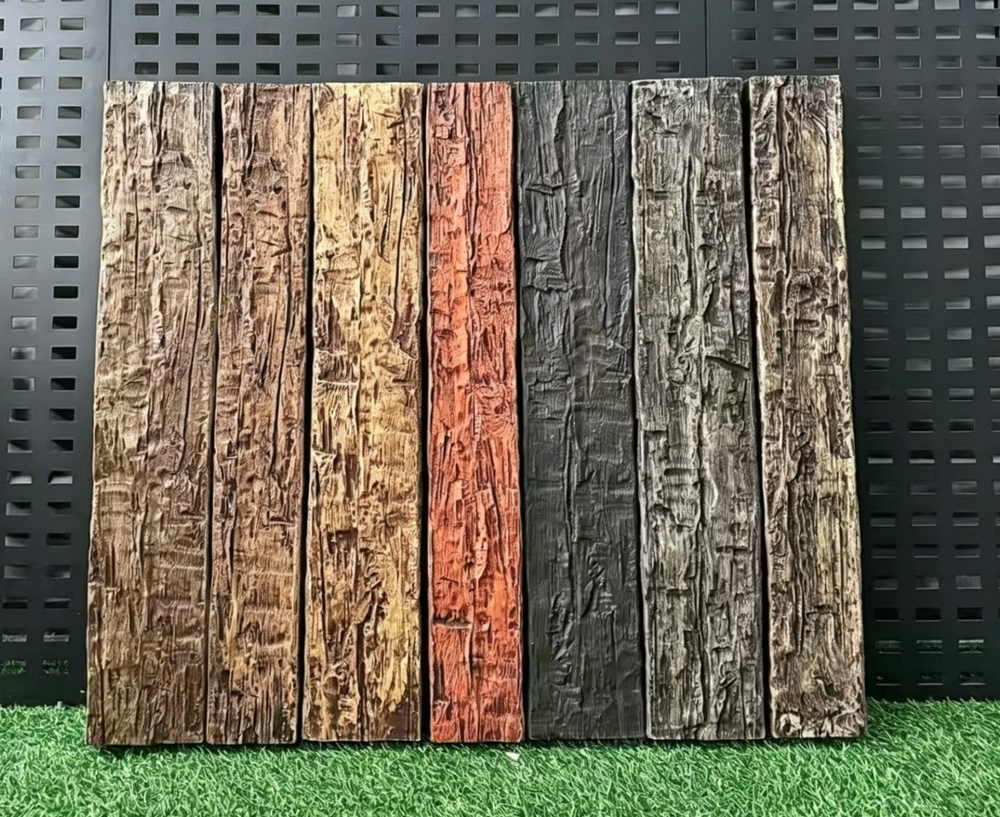
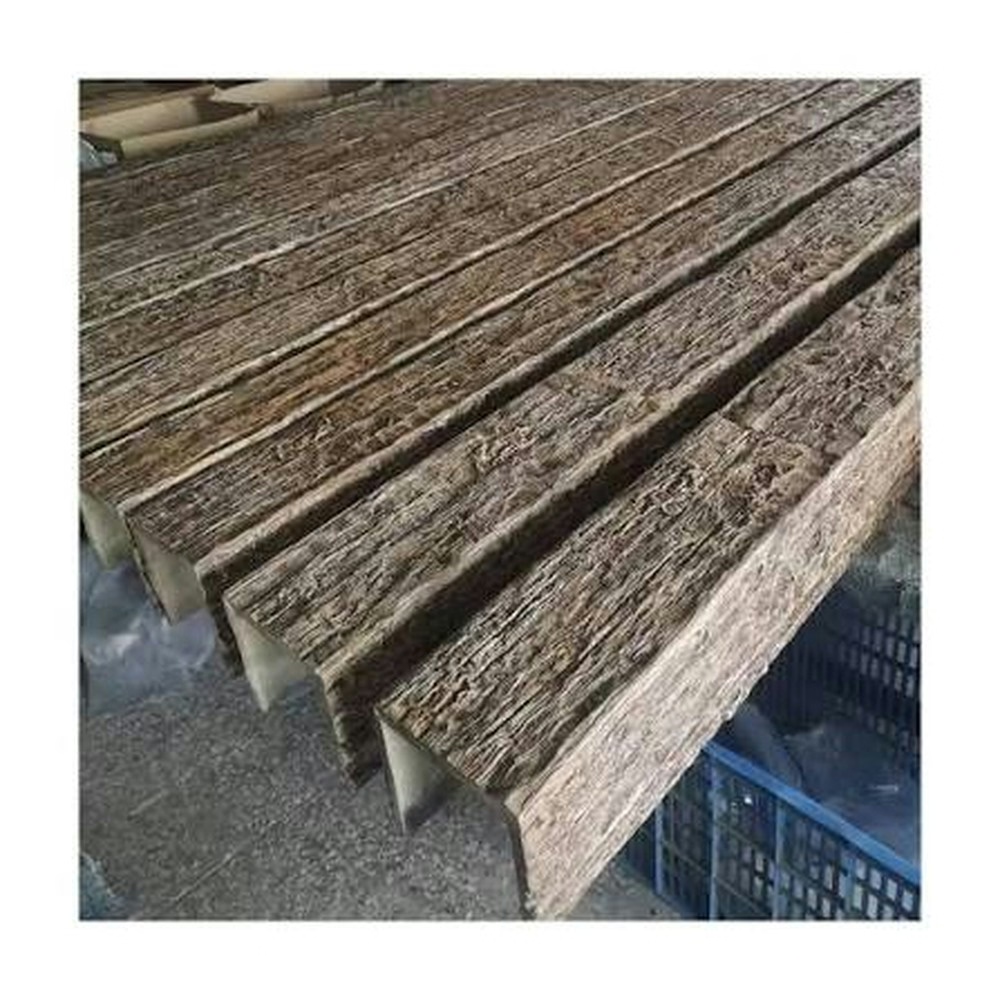
Wildfire Prone Area Fire-Resistant Materials: Ember Protection and Safety
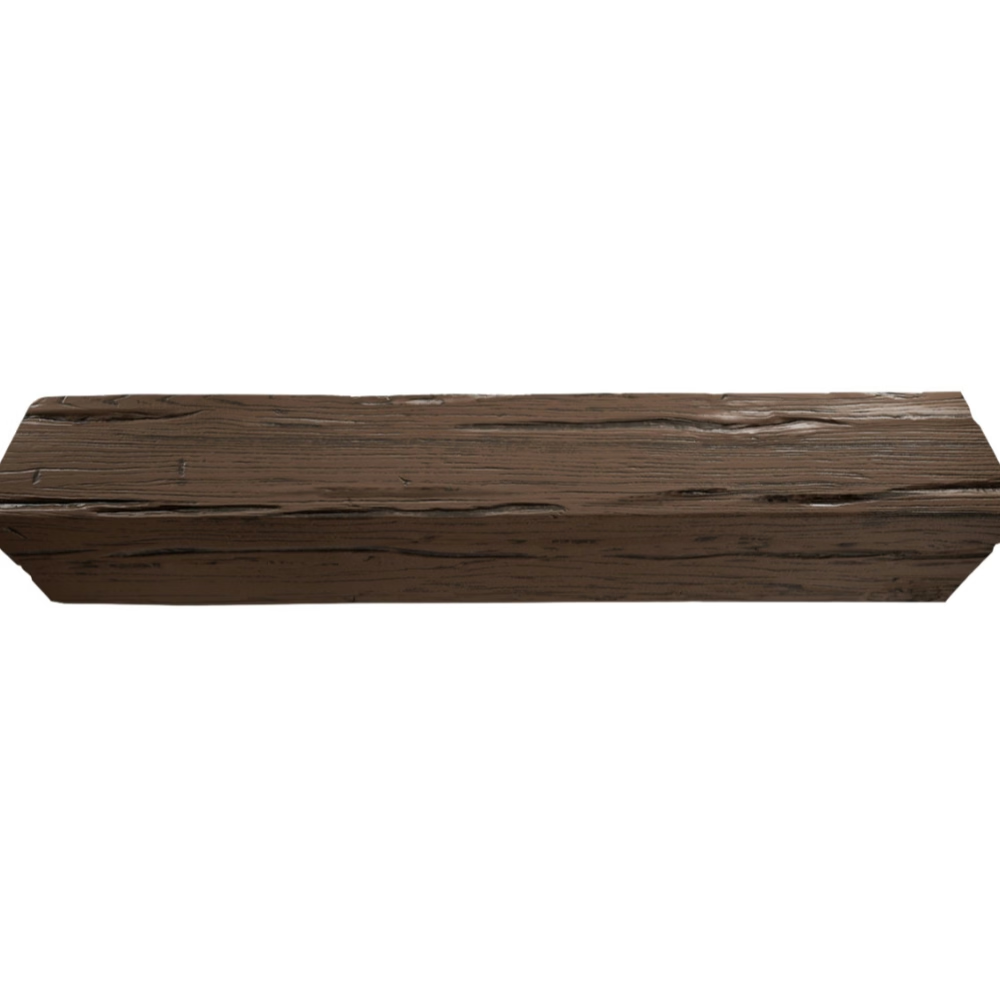
Properties in wildfire-prone regions require fire-resistant faux beam materials protecting structures from ember intrusion. Strategic beam selections in high fire-risk areas prioritize non-combustible or fire-rated materials supporting defensible space strategies and structural fire protection.
Non-Combustible Material Selection
Specify polyurethane or non-combustible synthetic materials with fire-resistant properties. Fire-rated materials prevent beam ignition from ember intrusion during wildfire conditions.
Fire Rating Certification
Select products with documented fire ratings and testing certifications appropriate for wildfire zones. Certified materials meet building codes and insurance requirements in high-risk areas.
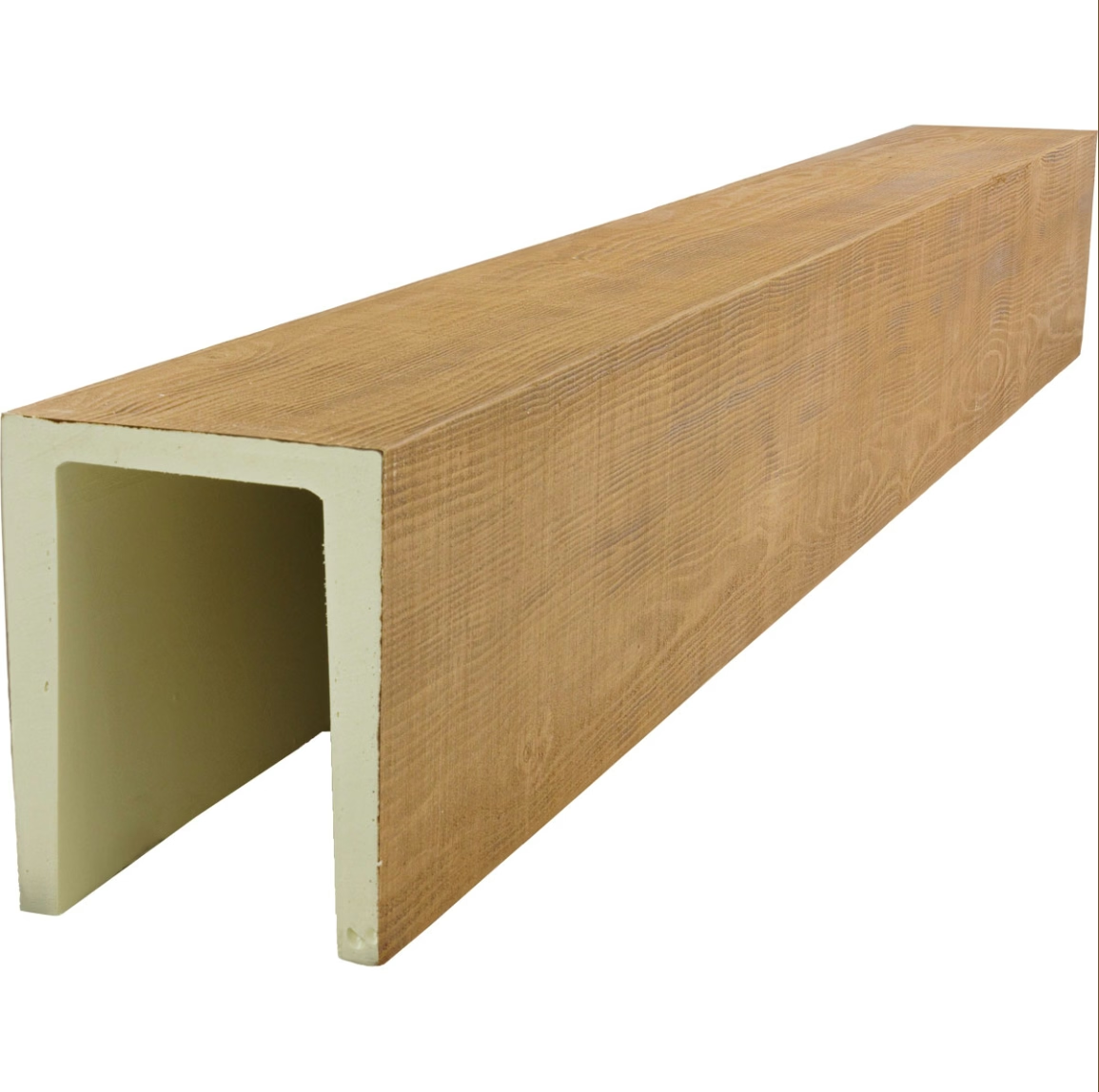
Ember Intrusion Prevention
Design installations preventing ember accumulation in gaps, crevices, and mounting spaces. Sealed installations eliminate ignition opportunities from wind-blown wildfire embers.
Ignition-Resistant Finishes
Apply fire-retardant coatings and finishes providing additional ignition resistance. Protective treatments add safety layers beyond base material properties.
Insurance Compliance Documentation
Maintain material certifications and installation documentation supporting property insurance coverage. Proper documentation may reduce premiums and ensure valid coverage in fire zones.
Defensible Space Coordination
Coordinate interior beam selection with comprehensive defensible space and fire-hardening strategies. Integrated approach addresses all structural fire vulnerabilities comprehensively.
Building Code Verification
Verify installations meet local wildfire building codes and Wildland-Urban Interface requirements. Code compliance ensures legal requirements and appropriate regional fire safety standards.
Post-Fire Reconstruction Planning
Document materials and sources facilitating efficient reconstruction if fire damage occurs. Preparedness planning supports recovery and insurance claim processing.
Conclusion
Wildfire-prone area beam applications require non-combustible material selection, fire rating certification, ember intrusion prevention, and ignition-resistant finishes. Strategic fire-safe installations protect structures in high-risk wildfire zones supporting defensible space strategies, meeting building codes, and prioritizing life safety with fire-resistant materials.
Technical References
ASTM standards cited in every specification
Test Data
Lab results from internal testing program
Updated 2026
Reviewed against current product specs