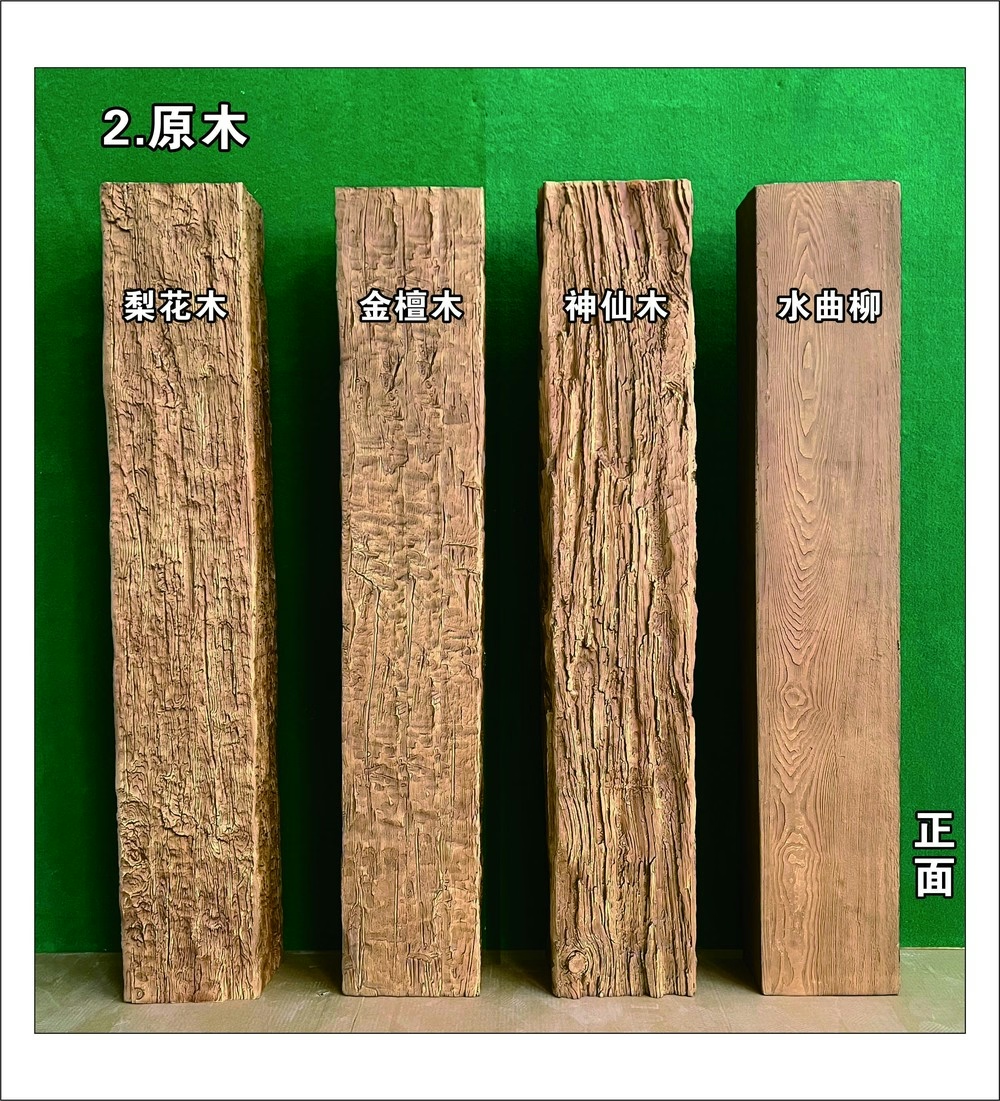
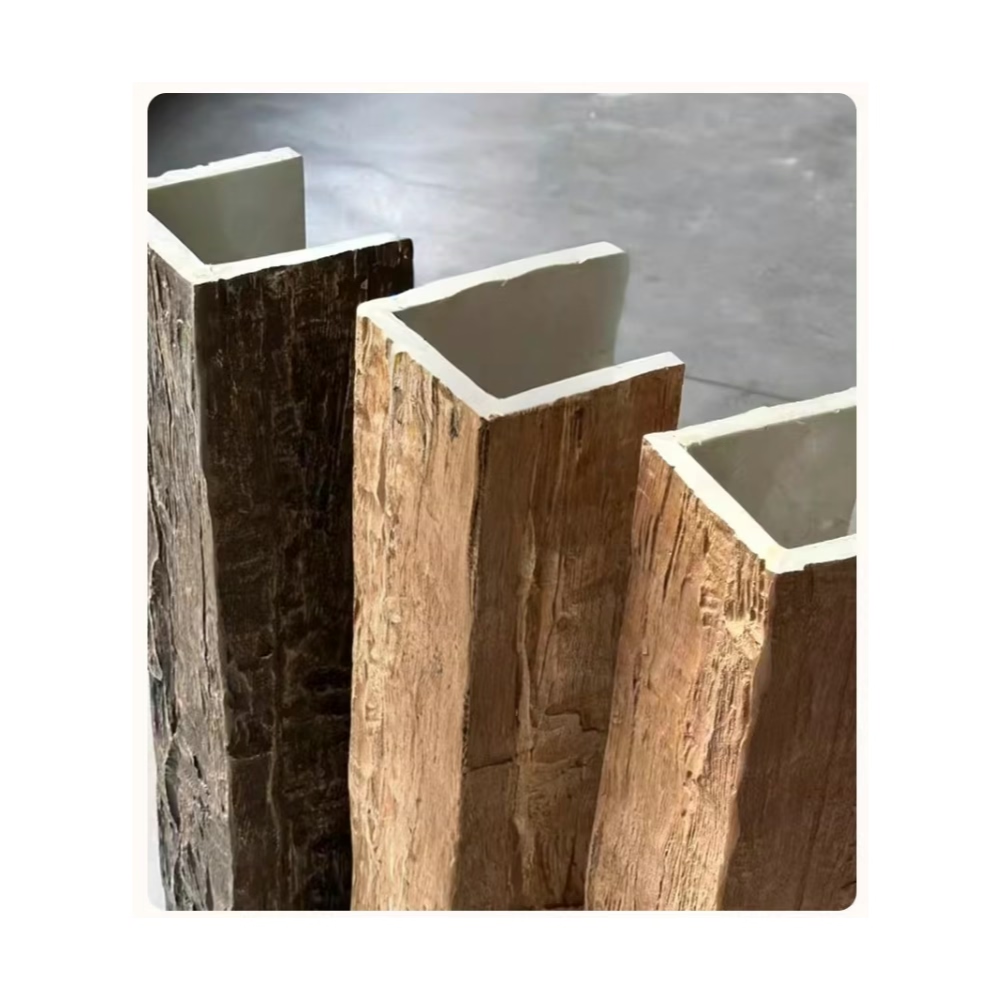
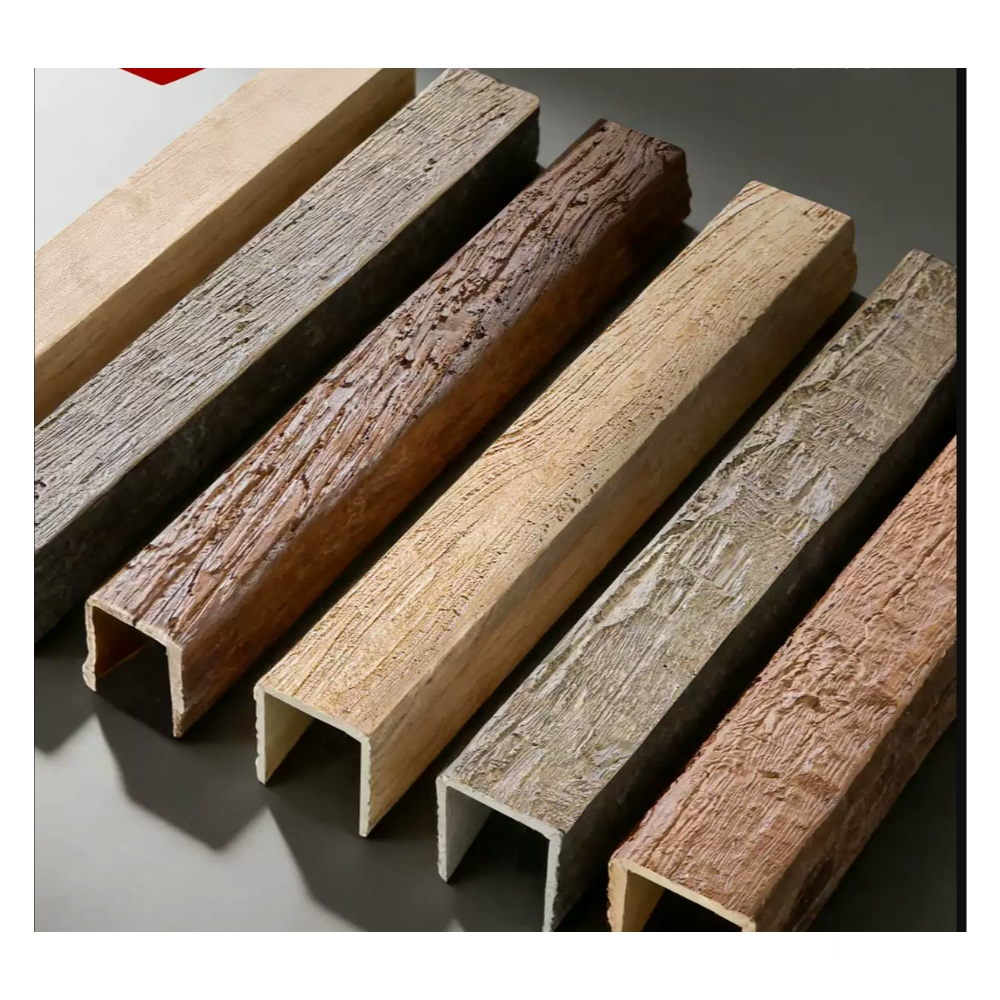
The beachfront restaurant renovation looked spectacular on opening day—hand-hewn timber beams spanning the dining room, creating rustic warmth that complemented the ocean views. Six months later, those same beams showed split ends, surface checking, and the beginning of rot where salt-laden air had penetrated the finish. Within two years, the owner faced complete beam replacement at enormous cost. A local contractor told me this story as warning when I considered specifying timber beams in a coastal hotel: "Use real wood near the ocean, and you'll be replacing it before the mortgage is paid off."
Coastal and humid environments pose challenges that real wood cannot reliably withstand over extended periods. Salt air, high humidity, temperature cycling, and UV exposure create conditions where even properly maintained timber eventually fails. Understanding how moisture-resistant polyurethane beams perform in these demanding environments helps designers and property owners make material choices that last decades rather than years.
The Challenge of Moisture in Building Materials
Wood's cellular structure makes it hygroscopic—constantly absorbing and releasing moisture in response to ambient humidity. This dimensional movement causes swelling when moisture content rises and shrinking as wood dries. The cyclical expansion and contraction creates internal stresses that manifest as surface checking, splits along grain lines, and eventually structural degradation as cell walls break down from repeated stress cycles.
Rot organisms require moisture, oxygen, and moderate temperatures—conditions abundant in coastal and humid climates. Wood maintained above 20% moisture content supports fungal growth that digests cellulose and lignin, literally consuming the wood from inside. Surface treatments like paint or stain slow but cannot prevent moisture penetration, particularly where end grain presents direct pathways into the cellular structure. Once rot establishes in protected interior spaces, surface finishes trap moisture and accelerate decay.
Salt air introduces additional degradation mechanisms beyond simple moisture effects. Salt crystals deposited on surfaces absorb atmospheric moisture, creating localized areas of elevated humidity even when ambient conditions seem moderate. These hygroscopic salt deposits accelerate both moisture cycling and chemical breakdown of wood fibers. Metal fasteners corrode rapidly in salt environments, creating rust stains and loosening connections that compromised structural integrity.
Coastal UV exposure proves more intense than inland locations due to reflection from water surfaces and lack of atmospheric particulates that filter sunlight. UV radiation breaks down lignin—the polymer binding wood cells together—causing surface graying and fiber detachment. Combined with moisture cycling and salt exposure, this UV damage creates a triple threat that ages coastal timber far faster than interior wood protected from environmental extremes.
Polyurethane Material Properties in Humid Environments
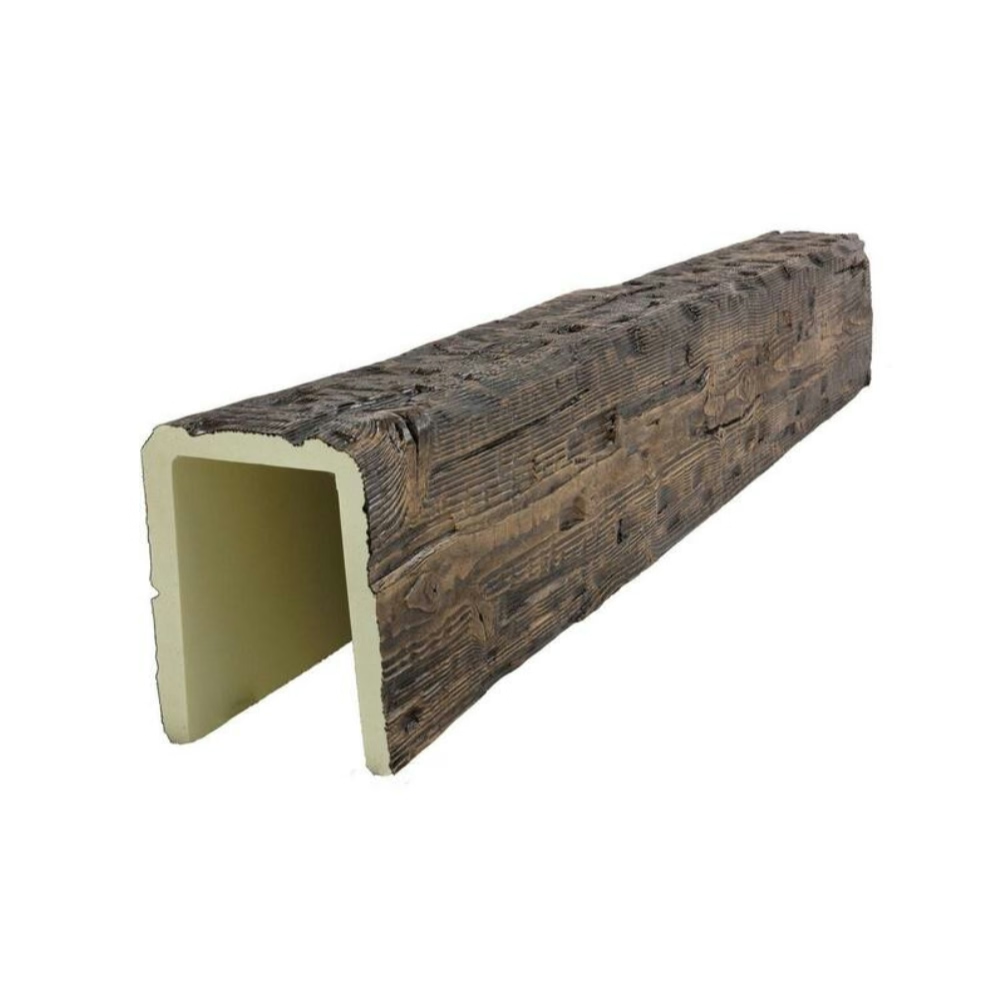
Closed-cell polyurethane foam used in quality faux beams exhibits essentially zero moisture absorption. The material's cellular structure consists of sealed bubbles containing inert gas, preventing water penetration beyond the outer surface. When moisture contacts polyurethane, it beads on the surface rather than soaking into the material. This fundamental difference from wood eliminates the primary failure mechanism that destroys timber in humid environments.
The dimensional stability of polyurethane in varying humidity conditions contrasts sharply with wood behavior. Where timber beams swell and shrink with seasonal humidity changes, polyurethane maintains constant dimensions regardless of moisture exposure. This stability prevents the checking, splitting, and warping that mark timber exposed to humidity cycling. Beams installed during summer remain true and straight through humid winters and back again, without the movement that plagues wood installations.
Chemical inertness means polyurethane resists degradation from salt exposure that attacks wood and metal. Salt deposits on polyurethane surfaces simply wash away without chemical interaction with the substrate material. No corrosion, no accelerated decay, no need for protective coatings that require periodic renewal. This inert character extends to other chemical exposures common in coastal environments—including chlorine from pool areas and cleaning chemicals used in hospitality maintenance.
The biological inertness proves equally important. Polyurethane provides no nutritional value to rot fungi, insects, or marine borers that consume wood. These organisms cannot establish on polyurethane surfaces even when moisture, temperature, and other conditions would support vigorous growth on timber. This immunity eliminates an entire category of maintenance concerns and failure modes that plague wood in tropical and coastal applications.
UV resistance in quality polyurethane formulations incorporates stabilizers that prevent the polymer breakdown caused by sunlight exposure. While no material offers infinite UV resistance, properly formulated polyurethane maintains integrity for decades of sun exposure that would destroy unprotected wood surfaces. Surface colors may eventually fade—though high-quality pigments delay this for years—but the underlying structural material doesn't degrade the way UV-attacked wood does.
Application Scenarios in Coastal Properties
Covered outdoor spaces in beachfront homes represent ideal applications for moisture-resistant faux beams. Lanais, verandas, and screened porches receive salt air and humidity exposure that would quickly damage timber, yet shelter from direct rain allows using products not rated for full exterior use. Polyurethane beams in these transitional spaces maintain appearance indefinitely without the finishing and maintenance that timber requires.
Restaurant and hospitality dining spaces near water face intense use combined with environmental challenges. Salt air infiltrates through frequent door openings. Kitchen humidity migrates into dining areas. Cleaning operations using wet mops and pressure washing create moisture exposure beyond typical interior conditions. Faux beams withstand all these conditions while maintaining the warm wood character that creates ambiance guests expect in waterfront dining.
Marina buildings and yacht club facilities present perhaps the most challenging environments short of direct marine exposure. These structures experience salt air at its most concentrated, combined with high humidity and occasional water intrusion from storms. Real wood in these applications requires aggressive maintenance or accepts rapid deterioration. Polyurethane beams deliver wood aesthetics suitable to maritime architecture without the maintenance burden or replacement cycles wood suffers.
Tropical resort properties throughout Caribbean, Pacific, and Southeast Asian destinations need materials that resist humidity levels that rarely drop below 80%. These conditions support aggressive mold growth and rapid rot in wood unless extreme maintenance prevents these problems. The operational cost of that maintenance—labor, access equipment, replacement materials, and business disruption—makes moisture-immune polyurethane beams economically attractive despite premium initial costs.
Indoor pool enclosures combine high humidity with chlorine exposure that attacks both wood and finishes. Pool areas designed with beam ceilings need materials that won't drip condensation, support mold growth, or require repainting every few years. Polyurethane beams handle pool environments that would destroy timber installations within a decade, maintaining appearance through decades of use in conditions no organic material can tolerate.
Installation Considerations for Humid Environments
Substrate preparation in humid climates requires addressing moisture issues before installing finish materials. Concrete ceilings in coastal construction often show dampness or efflorescence from moisture migration. These conditions must be resolved—through sealers, vapor barriers, or ventilation improvements—before mounting beams. While polyurethane beams themselves resist moisture, adhesives and mounting hardware may not perform properly on damp substrates.
Mounting hardware selection should account for corrosive environments. Stainless steel fasteners resist salt air that would quickly corrode ordinary steel screws. Aluminum or plastic mounting blocks avoid the rust staining that can occur when steel hardware corrodes behind polyurethane surfaces. The modest additional cost of corrosion-resistant fasteners prevents long-term problems that would require beam removal to address.
Adhesive selection proves critical in humid installations. Some construction adhesives lose strength when exposed to moisture or cure improperly in high-humidity conditions. Manufacturers serving coastal markets specify adhesives tested for moisture exposure and high-humidity curing. Follow these specifications rather than substituting convenient alternatives that may not perform in challenging environments.
Ventilation provisions prevent moisture accumulation in ceiling cavities behind installed beams. Trapped moisture—from roof leaks, condensation, or rising damp—can create conditions that damage substrates even though beams themselves remain unaffected. Ensure adequate ventilation between roof deck and ceiling finish, and that beams don't block intentional ventilation pathways critical to building envelope performance.
Joint and penetration sealing maintains moisture control at detail locations. Where beams meet walls, around fixture penetrations, and at beam ends, seal gaps using flexible caulk that accommodates minor movement without losing adhesion. These sealed details prevent moisture infiltration that could compromise adhesive bonds or ceiling substrates even though beam material itself remains unaffected.
Maintenance Requirements and Long-Term Performance
The primary maintenance requirement for polyurethane beams in humid environments is periodic cleaning to remove surface deposits—salt residue, dust, pollen, and environmental film. Simple washing with mild detergent and water restores appearance without need for refinishing, sanding, or other interventions wood requires. This minimal maintenance reduces operational costs substantially compared to timber alternatives.
Inspecting adhesive bonds and mechanical fasteners should occur periodically in challenging coastal environments. While the beams themselves remain unaffected by moisture and salt, connections between beams and substrates warrant verification. Visual inspection identifies loosening or corrosion before it progresses to failure. Addressing individual fastener issues costs minimal time and money compared to dealing with fallen beams.
Surface finish touch-up may eventually become necessary after decades of UV exposure in covered outdoor applications. Unlike wood requiring complete refinishing when weathering occurs, polyurethane beams need only spot treatment where finish has degraded. Small repair kits with color-matched paint handle these touch-ups quickly, extending appearance lifespan indefinitely without comprehensive refinishing.
Long-term performance data from coastal installations now spanning 15-20 years demonstrates polyurethane beam durability that meets or exceeds manufacturer claims. Beams installed in Florida, Hawaii, and Gulf Coast locations during the early 2010s show minimal degradation despite continuous exposure to conditions that would have destroyed timber multiple times over the same period. This performance track record validates material selection for new projects facing similar environmental challenges.
Cost Analysis: Initial Investment vs. Lifecycle Value
Initial material costs for moisture-resistant polyurethane beams exceed timber pricing by 50-150% depending on specifications and timber species compared. This upfront premium causes hesitation among cost-conscious property owners and developers. However, lifecycle analysis reveals compelling economics favoring polyurethane in humid and coastal applications.
Timber maintenance costs in challenging environments include refinishing every 2-4 years at $500-1,500 per beam depending on access and labor rates. Over 20-year property lifecycles common in commercial real estate, these maintenance interventions total multiples of initial material costs. Polyurethane's near-zero maintenance eliminates these recurring expenses entirely, delivering positive cash flow after break-even in 5-8 years.
Replacement costs when timber fails from moisture damage can exceed original installation costs since replacement involves demolition and debris removal before installing new materials. Properties that have replaced timber beams twice within 20 years have spent triple the amount that polyurethane would have cost initially. The replacement disruption—closing dining areas, displacing tenants, or limiting property use during construction—creates additional economic losses beyond direct costs.
Property value implications favor durable materials in coastal markets where buyers understand environmental challenges. Properties featuring materials known to require high maintenance or frequent replacement face buyer hesitation that impacts sale prices and marketing time. Demonstrating durable, low-maintenance construction using materials like polyurethane beams appeals to sophisticated buyers who calculate lifecycle ownership costs beyond simple purchase prices.

Moisture-resistant polyurethane faux beams solve material challenges that make timber impractical or economically unsustainable in coastal and humid environments. Understanding material properties, appropriate applications, and lifecycle economics allows informed decisions that balance initial costs against long-term value. For properties facing environmental conditions where timber reliably fails, polyurethane beams represent not just an alternative but the only practical solution that delivers lasting wood aesthetics without the maintenance burden and replacement cycles that wood cannot escape in challenging environments.
Technical References
ASTM standards cited in every specification
Test Data
Lab results from internal testing program
Updated 2026
Reviewed against current product specs