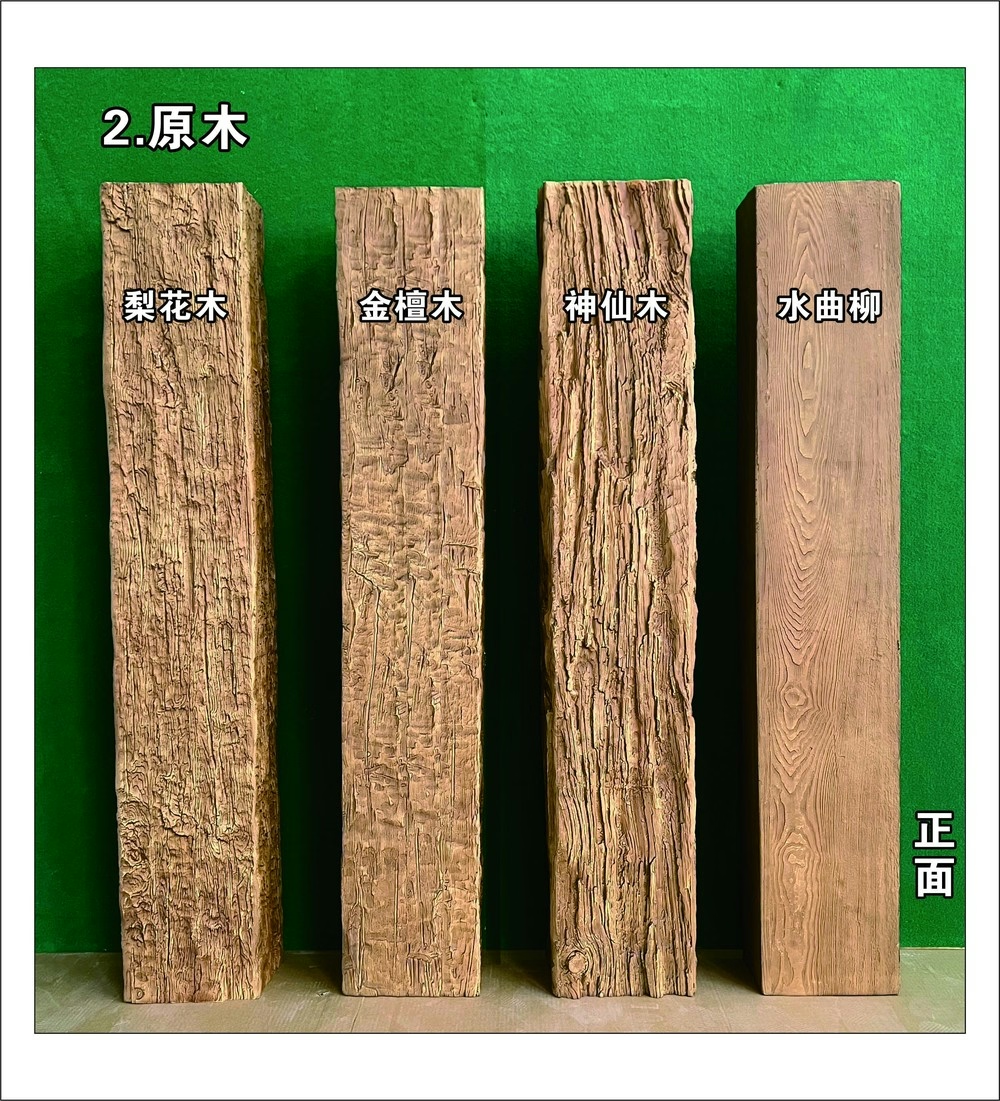
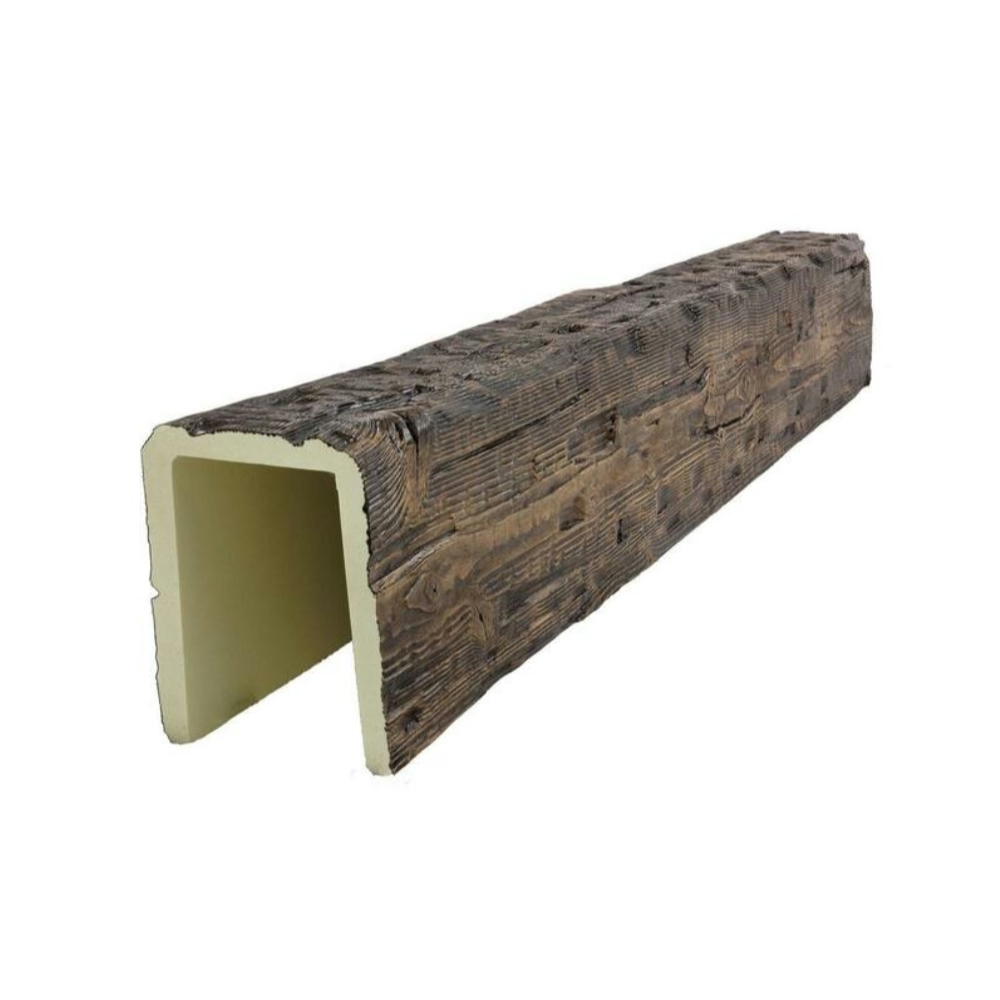
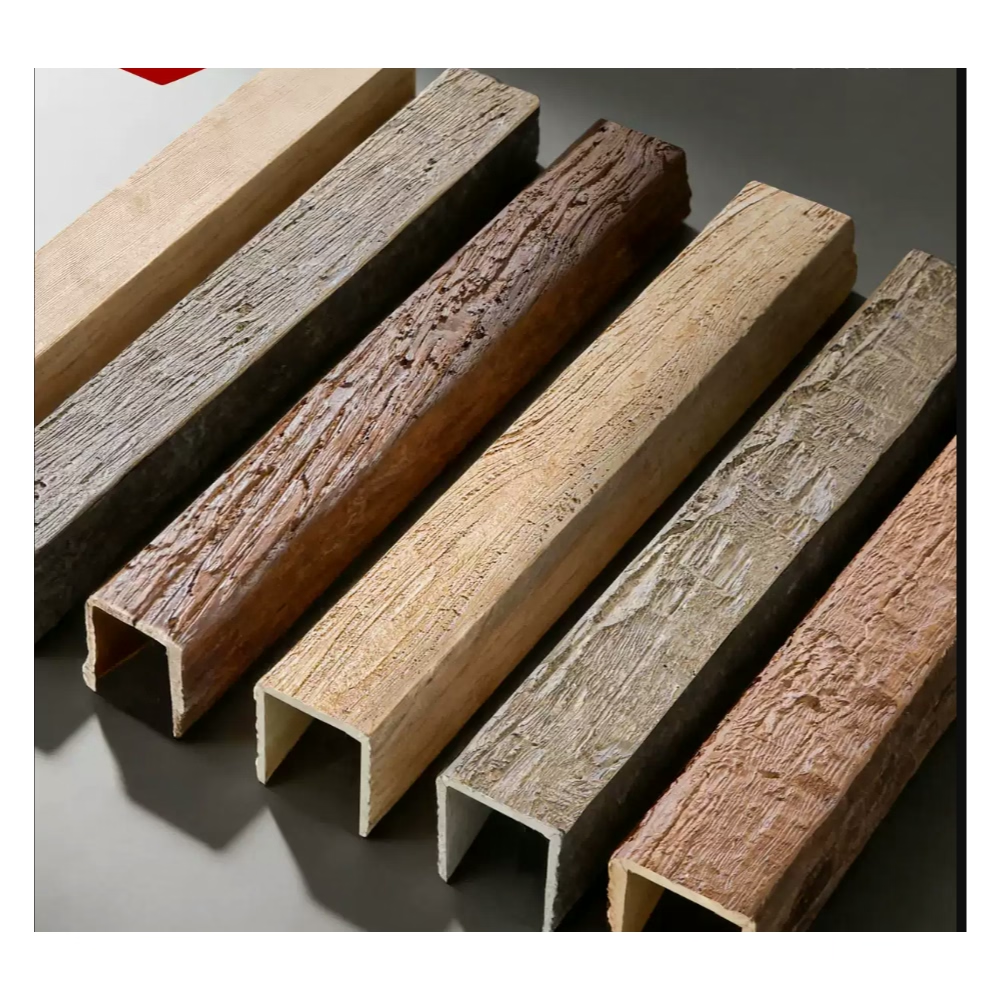
The Florida homeowner's call came eighteen months after completing their timber ceiling beam installation: "We have termites in the beams—they need to be replaced." The inspector's report confirmed active Formosan termite infestation with severe internal damage despite the premium cypress timber specified for its natural resistance. The replacement cost approached $35,000, plus tent fumigation adding another $8,000. When I asked why they hadn't used faux beams, the response revealed a common misconception: "We thought real wood was more durable." In termite country, that assumption proves exactly backward—organic materials provide food for insects that synthetic materials completely resist.
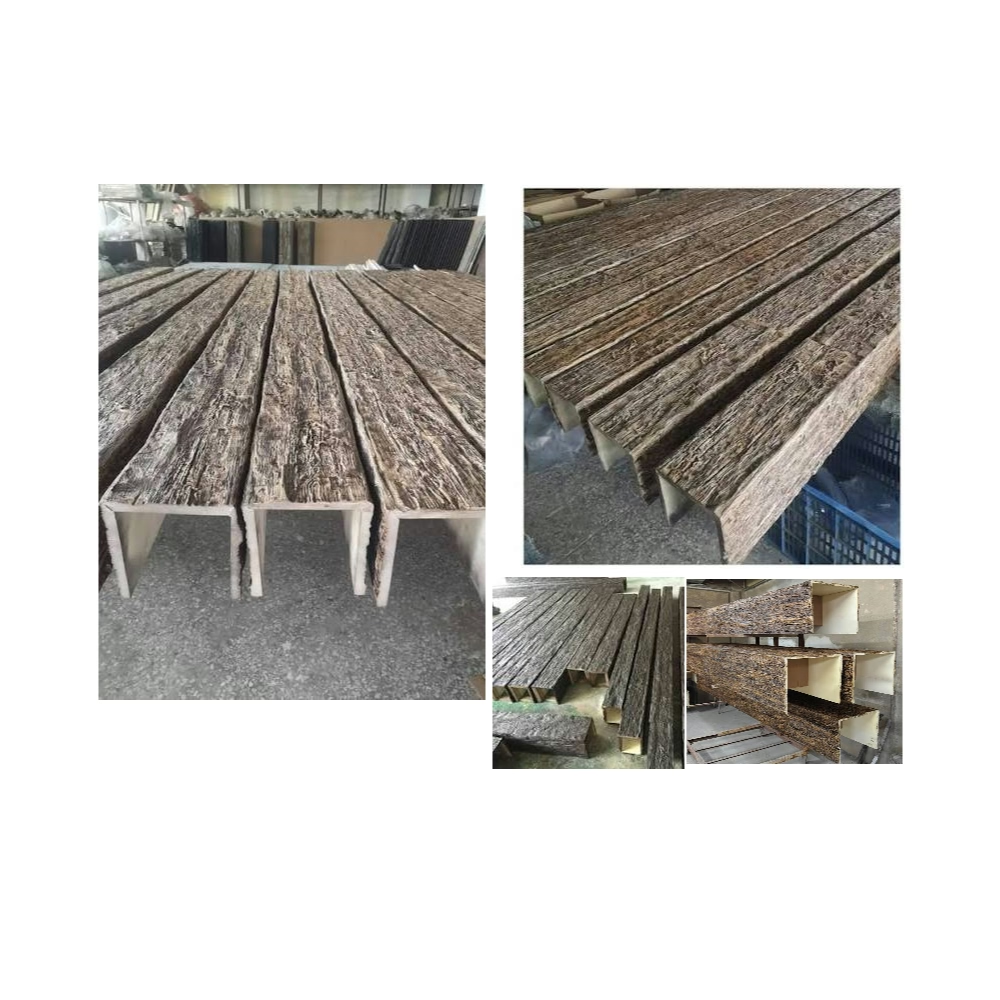
Understanding termite and pest immunity in polyurethane beams reveals critical advantages for applications in infestation-prone regions where timber—regardless of species or treatment—faces inevitable biological attack. This immunity delivers not just initial cost savings but lifecycle value through elimination of treatment, repair, and replacement costs that timber installations cannot avoid.
Understanding Termite and Wood-Boring Insect Threats
Subterranean termites—the most common and destructive species—live in soil colonies and forage for cellulose in wood through underground tunnels. They attack wood from within, often causing extensive damage before external evidence appears. Annual damage and control costs in the United States exceed $5 billion, with individual home infestations averaging $3,000-8,000 in treatment and repair costs.
Drywood termites nest directly within wood without soil contact, making detection even more difficult. These species favor dry climates and coastal areas, particularly affecting southern California, Florida, and Gulf Coast regions. Drywood termite treatment often requires whole-structure fumigation since localized treatments cannot reliably eliminate colonies hidden throughout buildings.
Formosan termites—an aggressive invasive species—cause more damage than any other termite species in affected areas. Colonies can contain millions of individuals consuming up to 13 ounces of wood daily. Established throughout the Southeast and expanding northward with climate change, Formosan termites destroy structures faster than native species, leaving less time for detection and intervention.
Powderpost beetles bore into hardwoods creating networks of tunnels that weaken structure. The fine powder—wood dust from larval feeding—gives these insects their name. Old-house borers, carpenter ants, and other wood-destroying organisms add to the biological threats that cellulose-containing materials face in nature.
Geographic risk varies dramatically. High-risk zones include the Southeast, Gulf Coast, southern California, Hawaii, and increasingly mid-Atlantic regions as climate warming extends termite ranges northward. These areas experience continuous infestation pressure requiring vigilant protection, regular inspection, and often preventive chemical treatments that add recurring costs throughout building lifecycles.
Biological Immunity of Polyurethane Materials
Polyurethane provides zero nutritional value to termites and wood-boring insects. These organisms have evolved to digest cellulose—the carbohydrate polymer comprising plant cell walls. Polyurethane's synthetic polymer chemistry bears no relationship to cellulose, making it as indigestible to termites as glass or steel. Without nutritional benefit, insects have no biological incentive to attack polyurethane.
Laboratory testing confirms this immunity. Standardized protocols expose polyurethane samples to active termite colonies under forced-feeding conditions designed to assess whether termites can consume materials. Test results consistently show zero consumption—termites ignore polyurethane entirely even when no cellulose alternatives exist. This immunity is absolute, not a matter of chemical deterrents that might degrade or species resistance that some insects overcome.
The mechanism differs fundamentally from chemical treatments applied to timber. Pressure-treated lumber, borate-treated wood, and surface termiticides deter insects through toxicity—they kill or repel but don't eliminate wood as food source. These chemicals degrade over time, can leach from wood in wet conditions, and face biological adaptation as insect populations develop resistance. Polyurethane's immunity involves no chemicals to degrade—the material simply isn't food, permanently.
Carpenter ants—which excavate galleries in wood without consuming it—similarly ignore polyurethane. While carpenter ants don't eat wood, they hollow it for nesting space preferring soft or water-damaged wood they can easily excavate. Polyurethane's density and consistency make it unsuitable for ant nesting even without nutritional considerations. The material resists the mechanical excavation that allows ants to establish in timber.
Economic Impact in High-Risk Regions
Initial material costs for polyurethane beams typically exceed untreated lumber by 50-100% depending on species and dimensions compared. This upfront premium causes hesitation among cost-conscious builders. However, lifecycle analysis reveals compelling economics favoring immune materials in infestation-prone regions.
Termite treatment costs for timber buildings range $1,500-3,000 for localized spot treatments to $8,000-15,000 for whole-structure fumigation. Many homeowners face multiple treatments over building lifespans as recurring infestations require repeated intervention. In high-risk regions, budgeting for treatment every 5-10 years represents realistic lifecycle planning for timber construction.
Repair costs when termite damage requires structural corrections dwarf treatment expenses. Replacing damaged floor joists, roof rafters, or decorative beams involves demolition, material, labor, and finishing costs that can reach $10,000-50,000+ depending on damage extent. Insurance typically excludes termite damage, leaving owners bearing full costs. Beam-specific replacement—the scenario opening this article—costs $25,000-40,000 depending on home size and beam complexity.
The preventive treatment costs for timber include annual inspections ($75-150), bait systems ($800-1,500 initial, $300-500 annual monitoring), and liquid barrier treatments ($1,500-2,500 renewed every 5-8 years). Over 25-year periods typical in homeownership, these preventive costs accumulate to $10,000-20,000+—often exceeding the initial material premium for termite-immune alternatives.
Property value implications favor durable materials in high-risk regions. Sophisticated buyers understand termite risks and factor treatment and repair costs into purchase decisions. Homes featuring termite-immune construction can command premium pricing or sell faster than comparable homes requiring ongoing termite management. Real estate disclosures documenting termite history create buyer hesitation that termite-immune materials avoid entirely.
Application Strategies in Infestation-Prone Markets
New construction in high-risk regions should strategically deploy termite-immune materials in vulnerable locations. Ceiling beams—often the most expensive and difficult elements to replace—represent prime candidates for polyurethane specification even if other building elements use treated timber. This selective application balances cost considerations while protecting hardest-to-replace components.
Renovation projects replacing damaged timber create perfect opportunities for material upgrades. When termite damage forces beam replacement anyway, specifying immune materials eliminates the problem permanently rather than restarting the cycle with vulnerable materials. The incremental cost over timber replacement often appears minimal when viewed as long-term insurance against recurrence.
Historic buildings where chemical treatments risk damaging original materials or where recurring treatments disrupt building operations benefit particularly from immune replacement materials. Museums, galleries, and heritage structures where chemical fumigation threatens collections or finishes can replace damaged timber with polyurethane alternatives eliminating ongoing treatment needs without chemical exposure risks.
Coastal and tropical resort properties face intense infestation pressure combined with high-value construction where damage creates both aesthetic and financial impacts. Luxury hotels and vacation rentals cannot afford the disruption of fumigation operations or appearance degradation from termite damage. Termite-immune materials provide operational continuity that treatment and repair cycles interrupt.
Regional Considerations and Climate Factors
Southeast U.S. markets—Florida, Georgia, Alabama, Mississippi, Louisiana—face the nation's most severe termite pressure. Subterranean, drywood, and Formosan termites all thrive in humid subtropical climates providing year-round activity seasons. These markets show highest adoption of termite-immune materials as builders and owners recognize that timber protection proves ultimately futile against sustained biological pressure.
Southern California's drywood termite prevalence creates different challenges than southeastern subterranean species. Drywood infestations require whole-structure fumigation for reliable elimination—expensive, disruptive treatments that homeowners desperately want to avoid. Polyurethane beam adoption in California stems largely from fumigation avoidance since once homes tent once, owners seek material strategies preventing recurrence.
Gulf Coast hurricane regions face compound challenges—storm damage admits moisture that attracts subterranean termites to compromised structures. Post-hurricane reconstruction using termite-immune materials prevents the secondary damage that often occurs during extended recovery periods when structures sit damaged and unoccupied, vulnerable to infestation.
Hawaii and tropical Pacific territories experience aggressive termite species and wood-boring beetles that destroy timber more rapidly than continental species. The warm, humid climate supports continuous insect activity without temperate-zone winter dormancy that slows damage accumulation. These markets pioneered termite-immune construction from necessity—timber simply doesn't last without aggressive, expensive protection.
Climate change projections suggest termite ranges expanding northward as warming trends eliminate cold-weather mortality that previously limited species ranges. Mid-Atlantic and even lower Midwest regions may face increasing infestation pressure over coming decades. Forward-thinking construction increasingly considers termite immunity even in markets that historically avoided significant problems.
Education and Market Development
Consumer education addressing the "fake vs. real" perception proves critical to market development. Many homeowners assume "real wood is always better," not understanding that biological vulnerability represents a fundamental weakness in high-risk environments. Explaining that immunity isn't inferiority but rather material science selecting appropriate tools for specific challenges helps overcome resistance to synthetic materials.
Contractor and builder education emphasizes lifecycle economics rather than just initial costs. Providing calculation tools showing 25-year ownership costs comparing treated timber, untreated timber with reactive treatment, and termite-immune alternatives reveals economic reality that first-cost comparisons obscure. These tools help professionals educate clients making informed long-term decisions.
Building code recognition of termite-immune materials remains inconsistent across jurisdictions. Some codes grant termite-immune materials exemptions from clearance requirements and foundation inspection provisions that timber construction faces. Other jurisdictions haven't updated codes reflecting modern material options. Industry advocacy encouraging code updates that recognize material immunity benefits supports market development.
Insurance industry engagement could potentially develop premium discounts for termite-immune construction similar to discounts for fire-resistant materials or security systems. While not yet common practice, documenting reduced loss frequency from immune materials builds data supporting future insurance recognition that could provide additional financial incentive for market adoption.
Limitations and Honest Performance Expectations
Polyurethane immunity is biological, not universal. The material resists organisms that consume or nest in cellulose but doesn't repel all pest interactions. Rodents may gnaw polyurethane—not for nutrition but to access spaces or maintain teeth. Protective measures against rodents remain necessary regardless of beam material choice.
Aesthetic preferences favoring authentic materials represent legitimate objections that economics cannot fully address. Clients who value material authenticity as philosophical principle may accept termite risks and treatment costs as acceptable prices for "real" materials. Respecting these values while ensuring clients understand practical implications represents honest professional practice.
The environmental considerations involve trade-offs without simple answers. Polyurethane production uses petroleum feedstocks and generates manufacturing emissions. Timber represents renewable biogenic carbon storage. Chemical termite treatments introduce toxins into environments. Each material pathway carries environmental impacts that different stakeholders weigh differently. Honest discussion acknowledges these complexities rather than claiming false environmental superiority.
Existing termite infestations in buildings won't be solved by replacing only ceiling beams. Comprehensive termite management may still require treatment even with immune ceiling elements if termites remain active in structural timbers. Polyurethane beams prevent new ceiling-specific problems but don't treat existing structural infestations elsewhere in buildings.

Termite and pest immunity represents one of polyurethane faux beams' most compelling advantages in infestation-prone regions where timber faces inevitable biological attack. This immunity delivers lifecycle value through permanent protection without chemical treatments, recurring costs, or replacement cycles that timber cannot avoid regardless of species selection or protective treatments. In high-risk regions, specifying termite-immune materials for vulnerable building elements represents sound risk management and lifecycle economics—choosing materials whose properties align with environmental challenges rather than requiring continuous intervention fighting biological realities that synthetic immunity simply sidesteps.
Technical References
ASTM standards cited in every specification
Test Data
Lab results from internal testing program
Updated 2026
Reviewed against current product specs