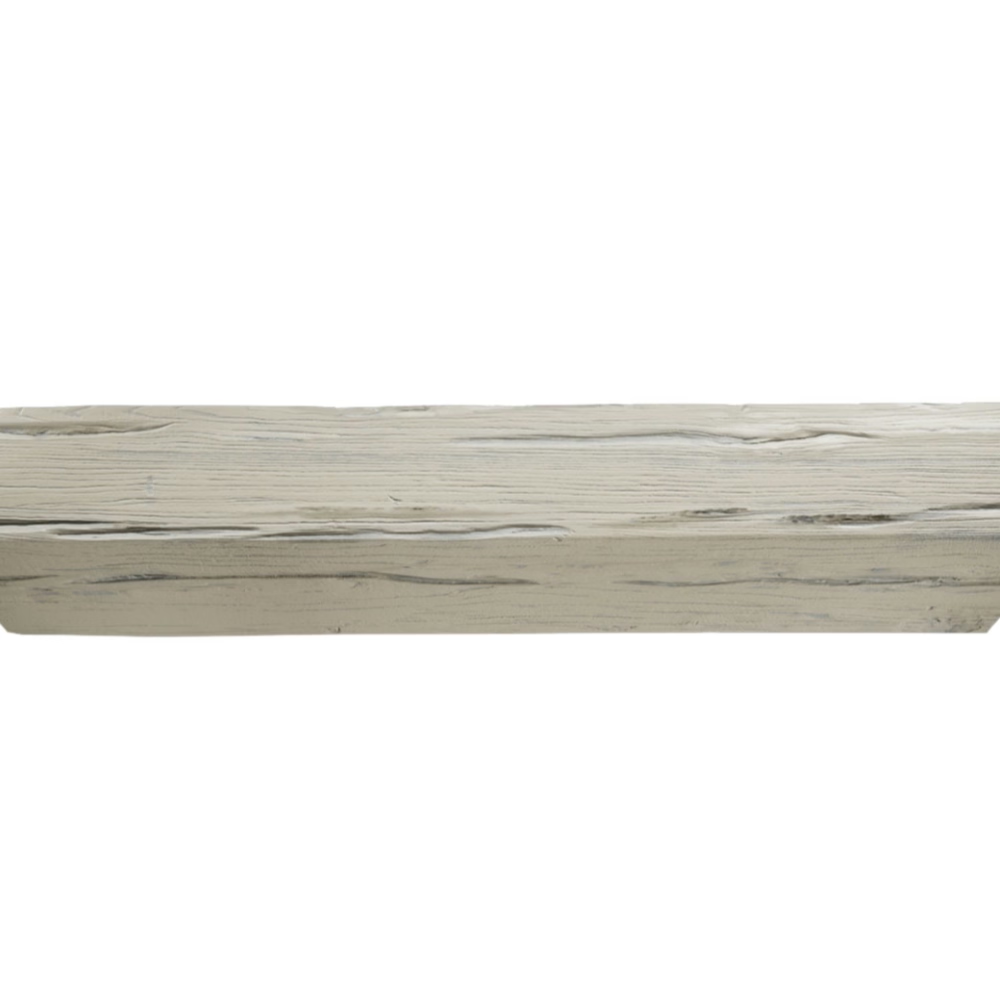
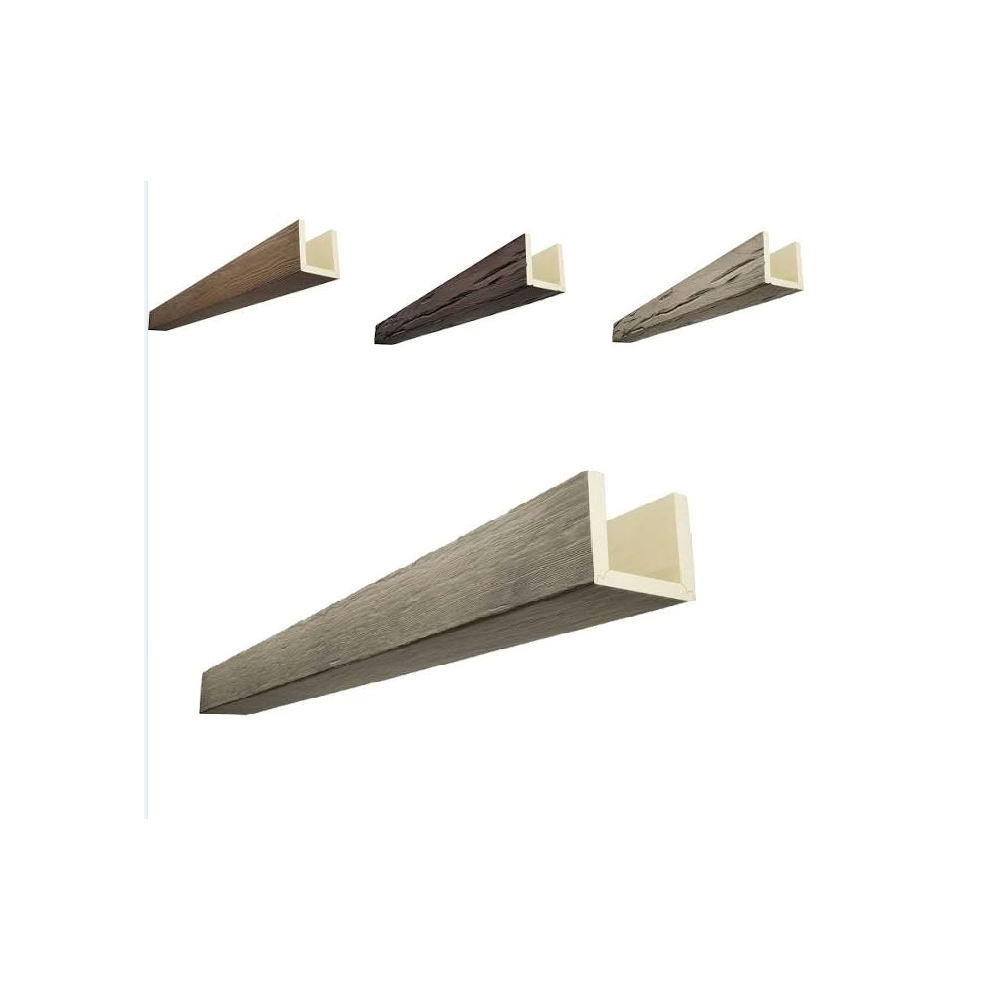
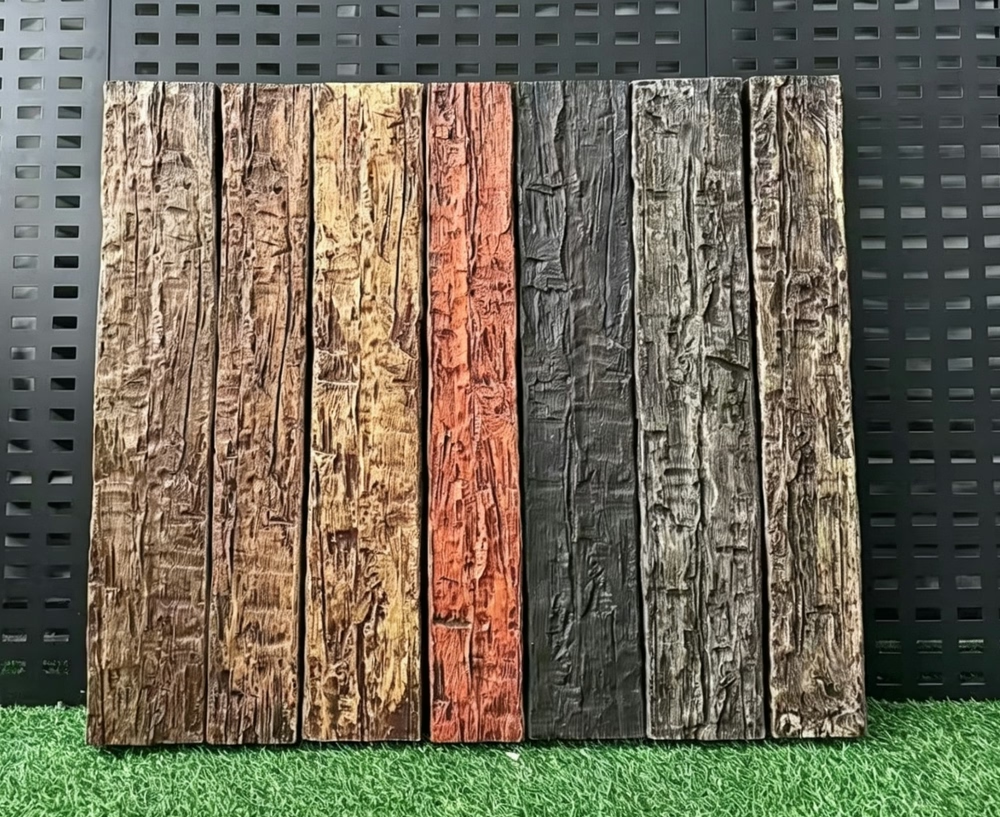
The sunroom addition promised year-round enjoyment of garden views and natural light. Six months after completion, the homeowner called with a complaint—the natural wood beams crossing the ceiling had warped visibly, creating wavy lines that destroyed the clean architectural appearance. The installer had used interior-grade lumber without considering the environmental extremes sunrooms experience. We replaced those failed beams with weather-resistant polyurethane alternatives that have remained perfectly straight through five annual cycles of summer heat and winter cold.
Sunrooms occupy a unique position in residential architecture—enclosed spaces subject to environmental stresses approaching outdoor conditions. Temperature swings of 60°F or more between winter nights and summer afternoons, humidity levels fluctuating from desert-dry to tropical, and UV exposure rivaling exterior applications create the most demanding environment any interior ceiling material faces. Understanding these challenges guides material selection and installation approaches that deliver lasting performance.
Understanding Sunroom Environmental Conditions
Temperature extremes in three-season sunrooms without climate control regularly exceed what building materials experience in climate-controlled living spaces. Summer afternoon temperatures might reach 120°F under glass roofs with strong sun exposure, while winter nights in unheated sunrooms can drop to outdoor ambient temperatures. These cycles stress materials through thermal expansion and contraction that slowly degrades dimensional stability.
Four-season sunrooms with heating and cooling systems moderate temperature ranges but still experience greater extremes than standard interior rooms. Large glass areas create solar heat gain that HVAC systems struggle to offset during peak sun hours, pushing temperatures higher than adjacent living spaces. Similarly, heat loss through glazing makes these spaces cooler in winter despite heating efforts. Ceiling materials must accommodate temperature ranges spanning 40-50°F seasonally.
Humidity fluctuations challenge materials as dramatically as temperature swings. Morning condensation on cold glass surfaces during humid weather adds moisture to sunroom air. Conversely, winter heating creates extremely dry conditions as cold outside air heated to room temperature carries minimal absolute humidity. These moisture cycles cause hygroscopic materials like wood to swell and shrink repeatedly, eventually leading to warping, cracking, and fastener loosening.
UV exposure through skylights and large window areas degrades materials that lack appropriate stabilizers. Sunlight striking ceiling surfaces with intensity approaching exterior exposure bleaches colors, breaks down polymer chains, and causes surface chalking in susceptible materials. Natural wood finishes fade unevenly, creating patchy appearance, while inadequate polyurethane formulations may yellow or lose surface integrity.
Thermal stratification in rooms with significant height creates temperature gradients where ceiling surfaces experience higher temperatures than floor levels. Hot air accumulation at peaks makes ceiling areas even more thermally stressed than ambient conditions suggest. Materials selected for ceiling applications must tolerate temperatures exceeding general room conditions by 10-20°F.
Material Requirements for Sunroom Applications
UV stabilization represents the most critical material characteristic for sunroom ceiling beams. Premium polyurethane formulations incorporate UV absorbers and hindered amine light stabilizers (HALS) that protect against photodegradation. These additives work by absorbing harmful UV radiation before it can break polymer bonds, preventing the brittleness, discoloration, and chalking that affect unstabilized materials. Manufacturers should provide UV resistance specifications or testing data confirming suitability for high-exposure applications.
Dimensional stability across temperature ranges ensures beams maintain straight appearance despite thermal cycling. Quality polyurethane possesses low thermal expansion coefficients—meaning material dimensions change minimally with temperature. This characteristic prevents the bowing, cupping, and warping that plague natural wood in sunroom environments. Installation methods must still accommodate the expansion that does occur, but stable materials minimize this requirement.
Moisture impermeability prevents the absorption-driven swelling and shrinking cycles that destroy natural wood in humidity-variable environments. Polyurethane's closed-cell structure doesn't absorb water vapor, maintaining consistent dimensions regardless of ambient humidity. This property makes polyurethane particularly suited to sunrooms where morning dew points might reach 70°F during summer, creating condensation on any surface below that temperature.
Color stability under UV exposure determines whether beams maintain attractive appearance or fade to washed-out shadows of original colors. Pigments used in quality polyurethane beams resist UV-induced fading, maintaining color saturation for decades of sun exposure. Testing protocols like ASTM G154 or equivalent accelerated weathering standards verify fade resistance. Manufacturers unable to provide color stability data likely produce products unsuitable for high-UV applications.
Surface integrity retention prevents the chalking, checking, and degradation that makes materials feel powdery or rough after weathering. Premium polyurethane surfaces remain smooth and cleanable indefinitely, while lower-grade formulations develop surface defects that trap dirt and progressively worsen appearance. Running fingers across sample surfaces after UV exposure testing reveals whether surface quality degrades or remains intact.
Design Approaches for Sunroom Ceilings
Beam orientation relative to glass roof slopes influences both structural appearance and thermal performance. Beams running parallel to roof slopes emphasize the directional quality while creating channels that subtly organize air flow. Perpendicular orientation creates cross-bracing visual effects that can make cathedral ceilings feel more contained and comfortable. The choice affects both aesthetics and how heat stratifies within the space.
Spacing strategies balance visual impact with thermal stack effect considerations. Widely spaced beams—4 to 6 feet apart—maintain open, airy qualities that suit sunroom aesthetics while allowing heat to rise freely toward vents or fans. Closer spacing creates more dramatic ceiling articulation but can trap hot air between beams, exacerbating temperature stratification. Most successful sunroom designs space beams at 36 to 48-inch intervals.
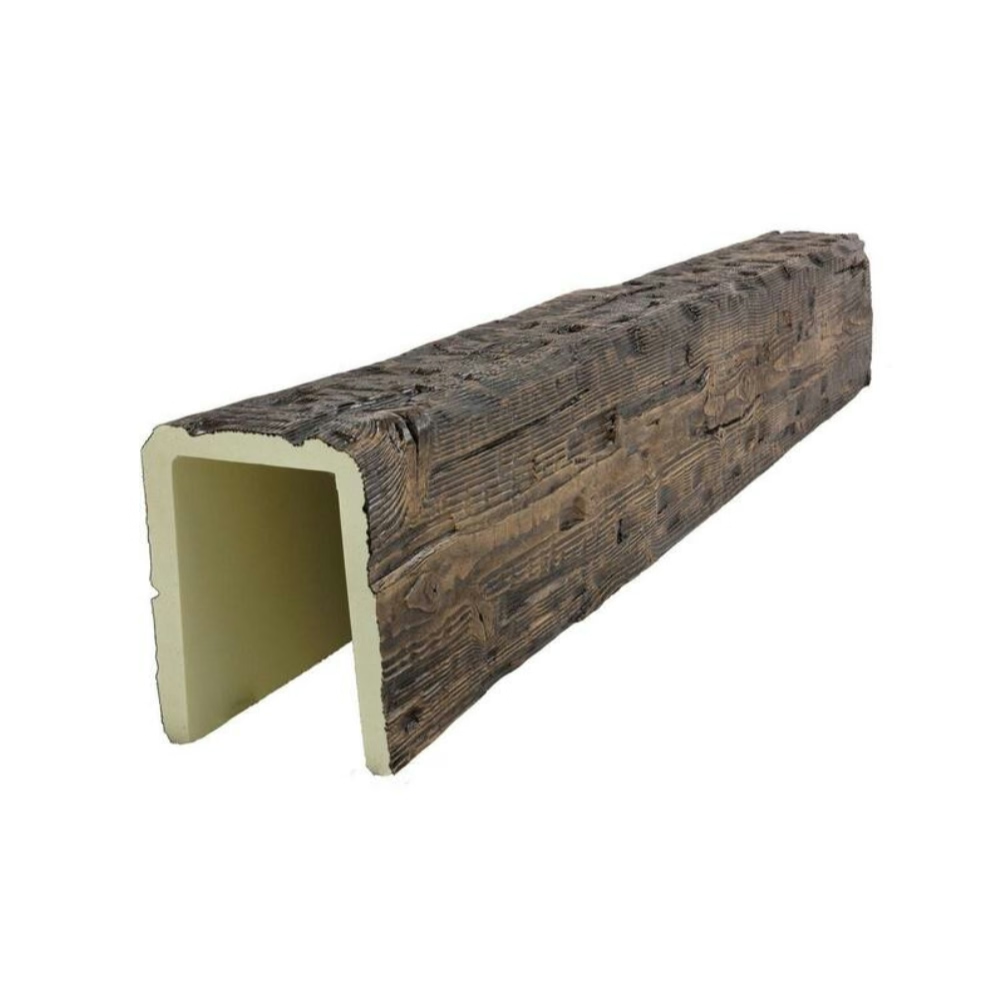
Profile selection influences how beams handle the bright, high-contrast lighting conditions sunrooms experience. Simple rectangular profiles with clean lines create crisp shadows that read clearly in strong directional light. Heavy hand-hewn textures can appear muddy when backlit or lost in shadow depending on sun angles. Considering how profiles will appear under actual lighting conditions prevents specifying details that won't register visually.
Color choices affect both thermal performance and aesthetic integration with outdoor views. Light-colored beams reflect rather than absorb solar heat, moderating ceiling surface temperatures. These lighter tones also coordinate with the bright, outdoor-connected character most sunroom designs emphasize. Dark beams create dramatic contrast but absorb heat significantly, potentially reaching surface temperatures that affect comfort and stress materials.

Installation Considerations for Variable Conditions
Thermal expansion accommodation prevents stress-related failures as materials expand and contract with temperature changes. While polyurethane expands less than many materials, 16-foot beams might still grow or shrink 1/8 inch across seasonal temperature ranges. Installation methods should allow this movement through slotted fastener holes, flexible adhesives, or expansion gaps at beam ends rather than rigidly constraining dimensional changes.
Attachment to structure requires accounting for different materials that typically comprise sunroom ceiling frameworks. Some sunrooms use standard wood framing similar to house construction, accepting standard fastening approaches. Others employ aluminum or vinyl framing systems designed specifically for glazed enclosures, requiring different fastener types and spacing. Understanding the structural system prevents fastening failures.
Substrate preparation in sunrooms often involves different ceiling materials than standard drywall. Beadboard, tongue-and-groove planking, or even outdoor-rated materials like fiber-cement panels appear in sunroom ceilings. Each substrate requires appropriate primers, adhesives, and fastening techniques. Testing attachment methods on representative materials prevents discovering incompatibilities during installation.
Ventilation coordination ensures that beam installation doesn't block ridge vents, soffit vents, or other air movement paths critical to temperature control. Sunrooms rely heavily on ventilation to moderate temperature extremes, and obstructing air flow paths compromises comfort while potentially trapping heat that damages materials. Understanding ventilation strategy during design prevents conflicts.
Skylight and glass roof integration requires careful detail planning where beams meet glazing systems. Beams running into glass roofs need trim details that create clean transitions without obstructing opening mechanisms or drainage paths. These interfaces prove challenging because they combine structural, waterproofing, and aesthetic concerns in compressed spatial envelopes.
Managing Solar Heat Gain
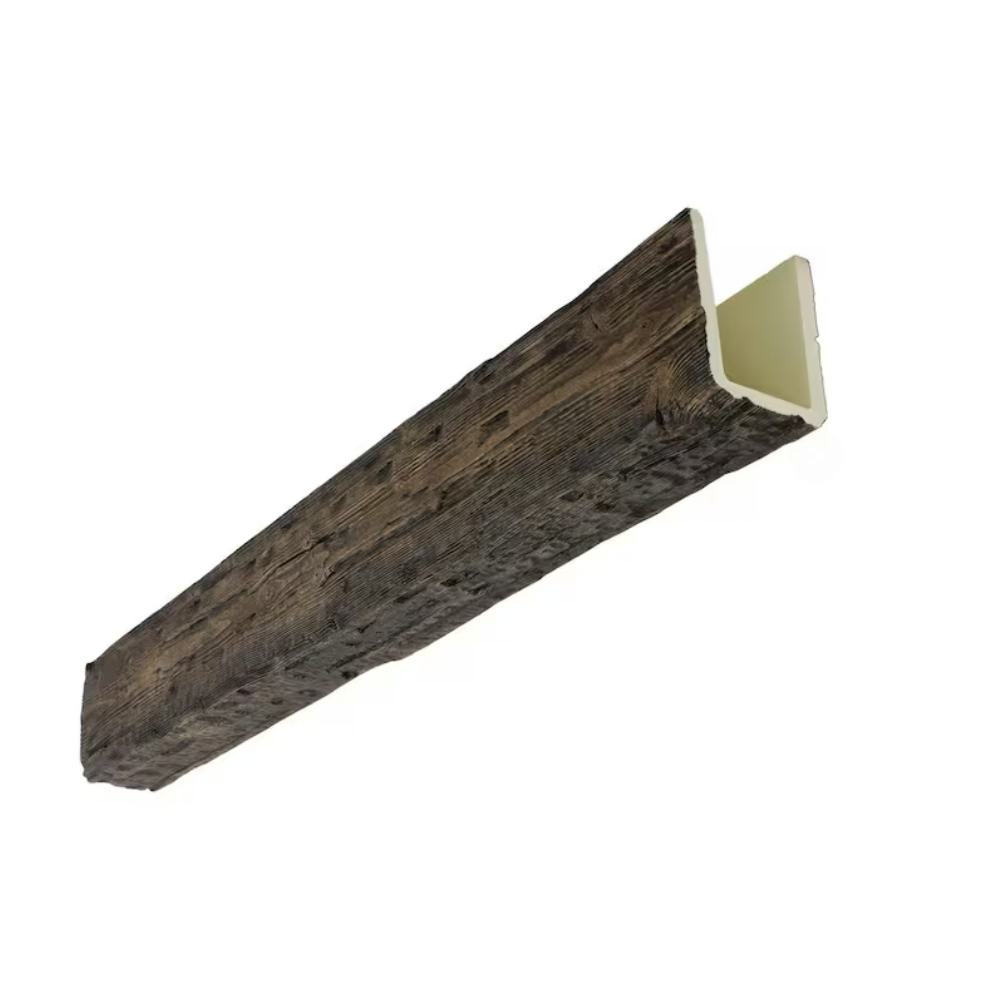
Reflective surface treatments on beam tops reduce solar heat absorption that contributes to temperature extremes. While beam sides and bottoms display attractive wood-grain finishes, top surfaces facing skylights can receive light-colored or reflective coatings that reduce heat absorption without affecting visible aesthetics. This strategy meaningfully reduces ceiling surface temperatures in sunrooms with overhead glazing.
Insulation integration between beams improves thermal performance in four-season sunrooms where climate control matters. Rigid foam panels fitting between decorative beams add R-value while maintaining finished ceiling appearance. This approach particularly suits cathedral ceiling configurations where depth exists for meaningful insulation without creating excessively deep ceiling treatments.
Radiant barrier materials installed above decorative beams reflect infrared radiation back toward glazing rather than allowing it to heat ceiling mass. These thin reflective sheets—essentially aluminum foil on backing material—create dramatic reductions in radiant heat transfer when installed with proper air gaps. The thermal benefit exceeds what material cost and installation effort suggest.
Shade integration coordinates external shading devices with interior ceiling design. Retractable awnings, external louvers, or shade screens dramatically reduce solar heat gain reaching sunroom interiors. Beam colors and finishes should consider how filtering sunlight affects appearance—beams that look perfect in full sun might appear dull under shade fabric.
Ceiling fan mounting from decorative beams addresses both aesthetic and functional requirements. Fans prove nearly essential for managing sunroom temperatures through air circulation. Mounting them from structural beams creates visually integrated installations where fans appear purposefully positioned rather than awkwardly placed. This integration requires planning fan locations during beam layout design.
Color and Finish Selection Strategies
Natural wood tones in light to medium ranges suit most sunroom applications by coordinating with outdoor views and maintaining bright, open qualities. Honey oak, natural pine, and light cedar finishes work particularly well, offering warmth without creating heavy visual presence. These tones age gracefully under UV exposure, maintaining attractive appearance even if some subtle fading occurs over decades.
Gray-washed and weathered finishes embrace the outdoor connection many sunroom designs emphasize. These tones suggest natural weathering and coordinate beautifully with stone, brick, and garden elements visible through glazing. The aesthetic accepts and even celebrates subtle color variation that might develop with UV exposure, making them particularly forgiving in high-sun environments.
White and painted finishes create crisp, architectural appearances that suit contemporary sunroom designs emphasizing clean lines and minimal ornamentation. White surfaces maximize light reflection while creating gallery-like backdrops that highlight views and plantings. The color choice moderates thermal gain while requiring UV-stable paints formulated for exterior or high-exposure applications.
Avoiding dark stains prevents excessive heat absorption that creates thermal stress. While dark walnut or espresso beams create drama in climate-controlled interiors, these colors absorb solar radiation that raises surface temperatures to levels that may degrade even quality materials over time. If dark accents are desired, limiting them to shaded areas or using them sparingly as accent elements rather than dominant ceiling features reduces thermal stress.
Custom color matching to specific architectural elements creates cohesive designs where beams integrate rather than contrast with their surroundings. Matching beam tones to window frames, door colors, or exterior trim creates visual relationships that unify designs. This coordination proves particularly valuable in sunrooms where indoor and outdoor elements meet, helping spaces feel intentionally connected rather than awkwardly transitional.
Maintenance Requirements and Expectations
Cleaning protocols for sunroom beams differ from interior applications due to higher dust and pollen accumulation. Sunrooms functioning as primary garden room access or housing plants accumulate more airborne debris than sealed interior spaces. Quarterly dusting rather than annual cleaning maintains appearance, using microfiber cloths or vacuum attachments that won't scratch surfaces.
UV-protective cleaning products extend material life by adding supplemental surface protection. Some furniture polishes and cleaning products contain UV inhibitors that deposit protective films during routine cleaning. While these products can't substitute for proper material UV stabilization, they provide incremental protection that compounds over years of regular use.
Inspection schedules verify that materials perform as expected and catch any developing issues early. Annual examination of beam attachment points, surface conditions, and any signs of degradation allows addressing minor issues before they become significant problems. This proactive approach particularly matters in sunrooms where environmental stresses remain more severe than typical interiors.
Refinishing options exist if appearance concerns develop despite proper material selection. Polyurethane surfaces accept primers and paints, allowing color refreshing or complete transformation if original finishes fade or occupant preferences change. This adaptability means even worst-case UV degradation scenarios don't necessitate beam replacement—only refinishing.
Seasonal adjustment expectations prepare owners for minor changes in material appearance or condition. Even quality materials might exhibit slight color shifts after years of intense UV exposure. Setting realistic expectations that some subtle change represents normal performance rather than defect prevents dissatisfaction about natural aging that affects all materials eventually.
Performance Comparison: Polyurethane vs. Natural Wood
Dimensional stability heavily favors polyurethane over natural wood in sunroom environments. Wood's hygroscopic nature guarantees swelling and shrinking with humidity cycles, eventually causing permanent warping. Polyurethane maintains consistent dimensions regardless of moisture exposure, delivering straight appearance indefinitely. This single characteristic often justifies material selection for sunroom applications regardless of other factors.
UV resistance proves dramatically better in properly formulated polyurethane than in any wood finish. Wood grain provides inherently attractive appearance, but UV radiation degrades finishes, bleaches natural color, and eventually damages wood fibers themselves. Even exotic hardwoods selected specifically for weather resistance eventually show UV damage. Polyurethane maintains original appearance essentially indefinitely when formulated with adequate UV stabilizers.
Maintenance requirements remain minimal for polyurethane while escalating for wood in harsh conditions. Wood beams in sunrooms require refinishing every 3-7 years as finishes degrade from UV exposure and humidity cycling. This maintenance involves significant disruption, labor, and cost. Polyurethane requires only periodic cleaning, never refinishing.
Initial cost comparisons favor polyurethane significantly when installation labor factors into analysis. Wood beams cost less per linear foot for the material itself, but their weight requires two-person installation crews and more substantial structural attachment. Polyurethane's light weight allows single-person installation with simpler mounting systems, reducing labor costs that typically exceed material costs for ceiling projects.
Lifecycle cost analysis overwhelmingly favors polyurethane when maintenance and replacement cycles enter calculations. Wood beams requiring refinishing every five years accumulate significant maintenance expenses over 25-year analysis periods. The eventual need to replace warped or degraded wood adds replacement costs. Polyurethane installed properly requires essentially zero maintenance while maintaining appearance for 50+ years.
Special Considerations for Different Sunroom Types
Three-season rooms without climate control present the most extreme conditions, demanding highest-grade weather-resistant materials. Temperature and humidity in these spaces essentially follow outdoor conditions, making exterior-grade material specifications appropriate. Only premium polyurethane formulations specifically rated for outdoor or high-exposure use should be considered for these applications.
Four-season climate-controlled sunrooms moderate environmental extremes but still experience conditions harsher than typical interiors. Standard interior-grade polyurethane beams often perform adequately in these applications, though upgraded UV-resistant formulations provide additional security. The investment in premium materials remains modest relative to total sunroom construction costs while virtually eliminating performance risk.
Enclosed porches transitioning outdoor spaces to interior use occupy a middle ground between true sunrooms and interior rooms. Material selection should consider actual environmental exposure—screened areas allowing moisture entry require weather-resistant materials, while fully enclosed spaces with climate control might accept standard products. Site-specific assessment guides appropriate material specifications.
Pool enclosures face unique humidity challenges beyond typical sunroom conditions. Chlorine vapor, high sustained humidity, and temperature fluctuations create particularly aggressive environments. Only materials specifically tested for pool enclosure applications should be considered, with manufacturer confirmation of chlorine resistance and extreme humidity performance.
Conservatories emphasizing plant cultivation maintain high humidity levels that stress materials. These specialized spaces might sustain 70-80% relative humidity continuously to support tropical plants, creating conditions approaching greenhouse environments. Material selection must account for these sustained moisture levels rather than just cyclical humidity variations.
Integration with HVAC and Comfort Systems
Heating system coordination ensures that climate control equipment can handle load requirements without creating excessive temperature gradients. Radiant floor heating moderates sunroom temperatures effectively while avoiding the hot air stratification forced-air systems create. If beams will install in radiant-heated sunrooms, verifying that ceiling surface temperatures remain within material specifications prevents thermal stress issues.
Cooling approaches affect relative humidity and condensation risk that impact material performance. Air conditioning removes moisture while cooling, creating dryer conditions less stressful to materials. Evaporative cooling adds moisture, potentially creating sustained high humidity. Understanding cooling methodology helps predict actual environmental conditions materials will experience.
Ventilation system design influences both thermal conditions and moisture management. Ridge vents, gable vents, or powered ventilation remove hot stratified air while reducing humidity accumulation. Beam installations should facilitate rather than obstruct ventilation paths, potentially incorporating vent openings within beam assemblies where necessary for air flow.
Humidity control through dehumidification might prove necessary in four-season sunrooms in humid climates. Maintaining relative humidity below 60% reduces stress on materials while improving occupant comfort and preventing condensation. Beam materials should still possess moisture resistance, but controlled environments allow broader material options.
Professional Installation Best Practices
Acclimation periods allow materials to reach thermal equilibrium with installation environments before mounting. While polyurethane requires less acclimation than wood, bringing materials to site 24-48 hours before installation prevents the minor dimensional adjustment that might occur between storage conditions and actual environments. This practice particularly matters when materials ship across climate zones or install during temperature extremes.
Fastening specifications should follow manufacturer recommendations specific to sunroom applications rather than standard interior guidelines. Some manufacturers provide enhanced fastening schedules for high-stress environments, requiring more frequent attachment points or specific fastener types. Following these specifications ensures installations meet design intentions for environmental conditions.
Sealant selection at beam ends and any penetrations requires weather-grade products capable of handling temperature extremes and UV exposure. Standard interior latex caulks may not possess adequate flexibility or UV resistance for sunroom applications. Specifying exterior-grade or specifically recommended sealants prevents joint failures that create maintenance issues.
Documentation should note environmental classification and material specifications so future renovations or repairs use appropriate materials. Recording that installations used exterior-grade UV-resistant materials in project files helps future contractors make informed decisions about repairs or expansions. This documentation proves particularly valuable years later when original installers or building owners may no longer be available to provide historical context.
Achieving Lasting Beauty in Challenging Environments
Sunrooms offer unique lifestyle benefits by extending living spaces into garden-connected environments filled with natural light. These qualities also create challenging conditions where material selection significantly affects long-term satisfaction. Weather-resistant polyurethane faux wood beams deliver natural wood aesthetics while withstanding environmental extremes that quickly destroy lesser materials.
For homeowners, designers, and contractors working on sunroom projects where ceiling treatments must perform reliably across decades while maintaining attractive appearance, understanding environmental stresses and selecting appropriate materials prevents the disappointing failures that mar otherwise successful projects. The modest premium for weather-resistant materials returns value through decades of maintenance-free performance.
Technical References
ASTM standards cited in every specification
Test Data
Lab results from internal testing program
Updated 2026
Reviewed against current product specs