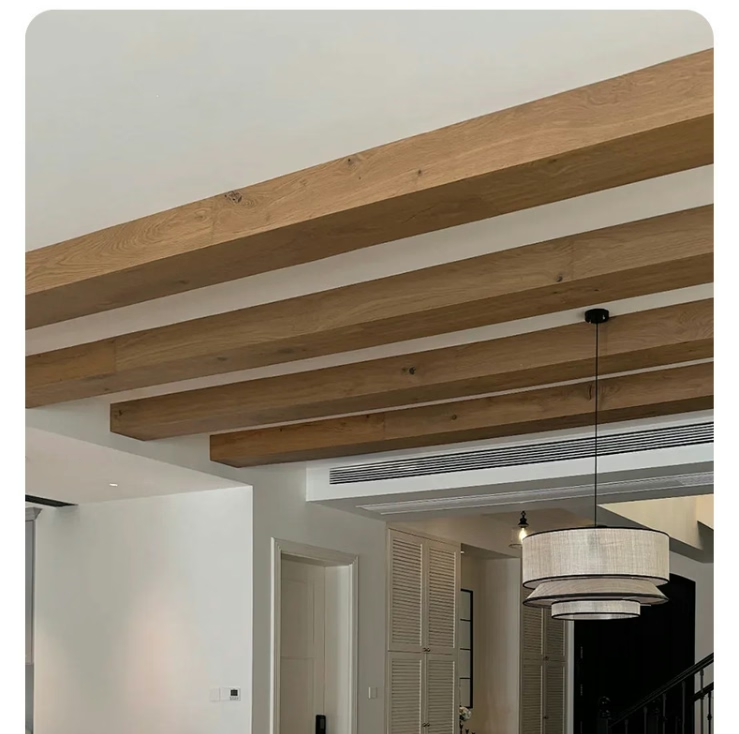
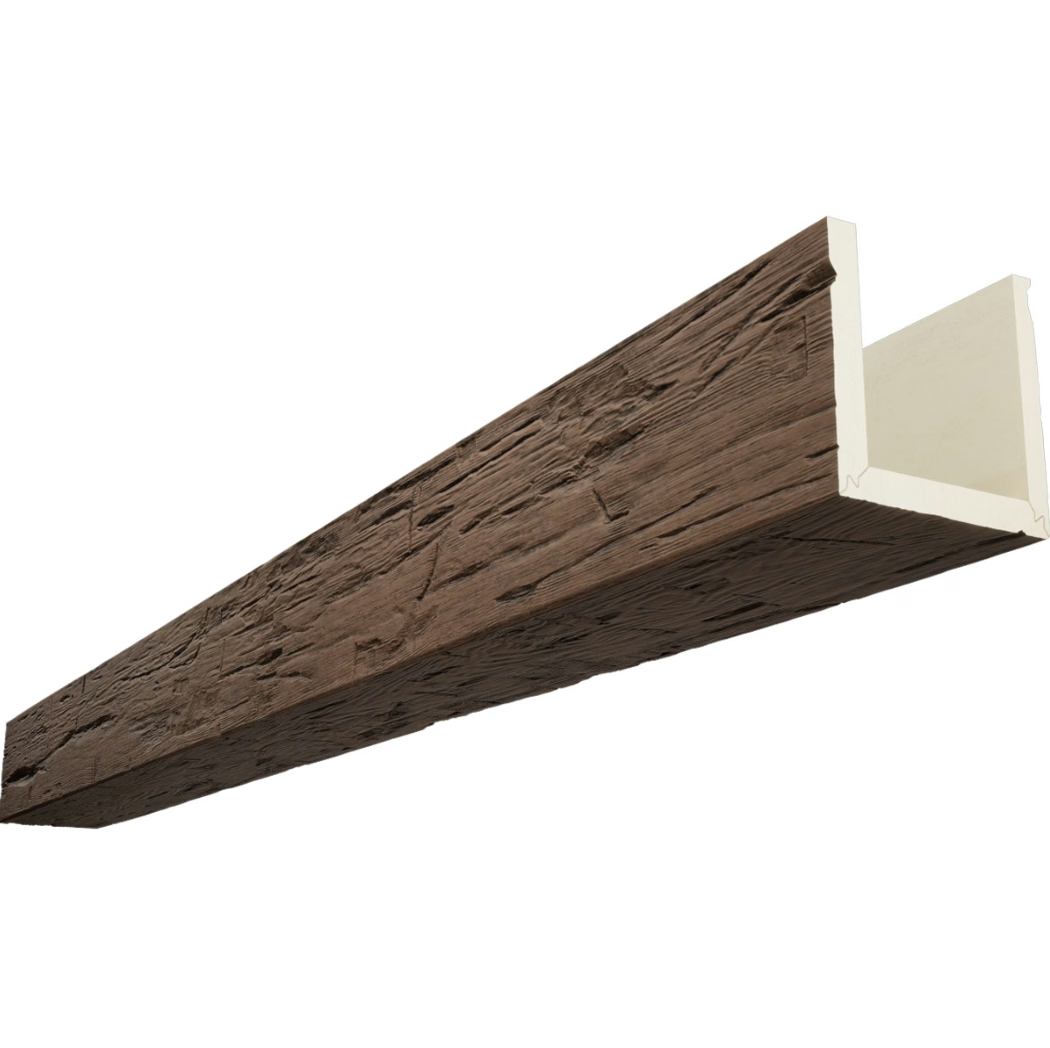
Our first trade show booth featured poster boards showing finished installations, product brochures stacked on a draped table, and staff standing awkwardly hoping attendees would stop. Traffic passed by barely glancing—we generated twelve leads over three days, none converting to sales. The $8,000 investment including booth space, travel, and materials produced zero return. The following year, we completely redesigned our approach: a dramatic overhead beam installation attendees walked beneath, sample segments they could handle, weight comparison demonstrations, and interactive design stations where visitors could plan installations. That booth generated 187 qualified leads converting to $340,000 in sales over six months. The difference wasn't our product—it was how we presented it.
Trade show success demands creating experiences that engage attendees, communicate product attributes, and capture qualified leads. In environments where hundreds of exhibitors compete for limited attention, effective displays differentiate products through demonstration, interaction, and memorable experiences that static displays can't deliver.
Understanding Trade Show Dynamics
Attendee attention spans averaging 3-8 seconds per booth as people scan aisles require immediate visual interest stopping traffic. Displays must communicate value propositions within these brief glances or lose potential customers before engagement begins. This constraint demands strategic focus on high-impact visual elements creating stopping power.
Traffic flow patterns including aisle sides, corner locations, and proximity to entrances or amenities affect booth exposure and visitor quantity. Corner booths with exposure from two aisles generate more traffic than inline booths viewable from single directions. Understanding location advantages and limitations guides display design maximizing available exposure.
Competitor presence at shows creates comparative shopping opportunities where attendees evaluate multiple suppliers rapidly. Differentiating displays, messages, and engagement approaches prevent blending into generic industry sameness. Understanding competitive landscape helps develop distinctive booth concepts standing out from similar exhibitors.
Attendee motivation varies from serious buyers researching specific purchases to casual browsers killing time. Qualification strategies identifying serious prospects versus time-wasters maximize valuable engagement time. Display elements should facilitate self-qualification—serious buyers engage deeply while casual browsers move along quickly.
Show duration fatigue affects both exhibitors and attendees—energy and attention decline through multi-day events. Booth design should support staff comfort and engagement throughout shows. Interactive elements maintaining novelty across multiple days prevent staff boredom while keeping displays fresh for attendees arriving on later days.
Display Architecture and Structure
Overhead installations using actual beams installed on booth frameworks create dimensional impact visible across show floors. Overhead elements attract attention from distances while demonstrating actual products in realistic contexts. These installations require structural engineering ensuring safety while creating dramatic visual presence.
Vertical displays maximizing limited floor space in typical 10×10 or 10×20 booth footprints leverage height creating presence without consuming valuable floor area needed for traffic flow and engagement zones. Vertical elements should maintain visibility from distances while including lower-level details rewarding close inspection.
Interactive stations providing hands-on engagement create memorable experiences while communicating product attributes tactilely and visually. Allowing attendees to handle samples, compare weights, feel textures, and manipulate products creates understanding that passive viewing can't achieve. Interactive elements transform booths from viewing galleries into experiential learning environments.
Seating areas offering respite from show floor walking attract tired attendees while creating comfortable environments for extended conversations. Strategic seating positioned for easy exit allows casual sitters to leave gracefully while serious conversations can continue comfortably. Seating should feel welcoming without trapping attendees.
Storage integration concealing supplies, personal items, and equipment maintains professional appearance while keeping necessary items accessible. Built-in storage within display structures eliminates need for visible cases or bags that create cluttered appearance. Hidden storage should allow easy access without requiring disassembling displays.

Sample Selection and Presentation
Full-length beams demonstrating actual products in realistic dimensions communicate scale and proportion better than small samples. While floor space limits prevent displaying extensive inventories, one or two full-length premium beams create impact that small samples can't match. These signature pieces anchor displays while drawing attention.
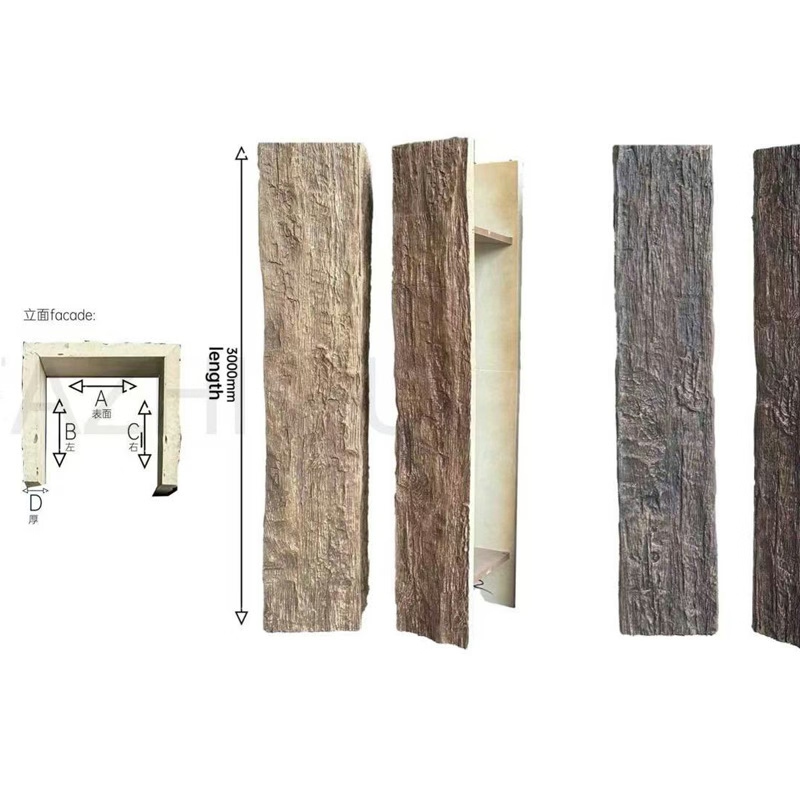
Cut-away sections revealing internal construction and material composition educate attendees about quality, material usage, and manufacturing sophistication. Transparent displays showing cross-sections demonstrate hollow U-channel construction or internal reinforcement. These technical demonstrations particularly engage architects, contractors, and designers wanting to understand products deeply.
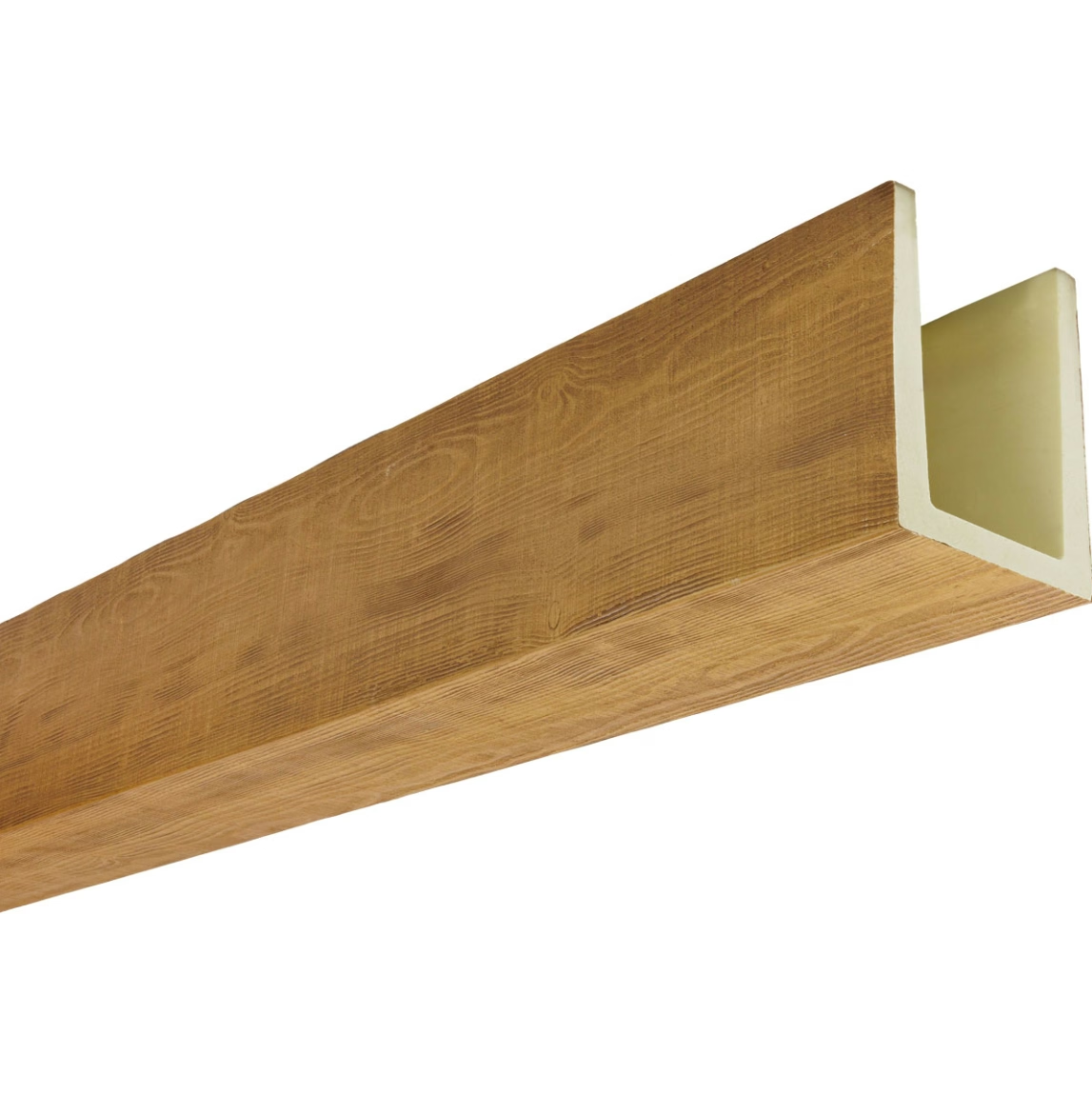
Finish variety samples displaying color range and texture options enable attendees envisioning products in their specific applications. Sample boards or rotating displays showing multiple finishes allow comparison and selection. Adequate variety demonstrates capabilities without overwhelming—perhaps 8-12 most popular options rather than entire catalogs.
Competitive comparison displays positioning your products alongside alternatives demonstrating superiority prove effective when done tactfully. Weight comparisons showing polyurethane lightness versus solid wood, or durability demonstrations showing scratch resistance create objective evidence supporting value claims. Comparison displays should focus on performance differences rather than disparaging competitors.
Damaged sample exhibits showing common failure modes in alternative materials—cracked wood, delaminated veneers, warped profiles—illustrate problems your products solve. These negative examples provide context making your product advantages tangible. Failure samples should clearly label what went wrong and why your products avoid these issues.
Interactive Demonstrations and Engagement
Weight comparison challenges inviting attendees to lift full-length beam samples demonstrate lightness advantages viscerally. The surprise of substantial-appearing beams weighing only a few pounds creates memorable experiences communicating product benefits effectively. This simple interaction engages visitors while demonstrating key product attributes.
Installation simulation displays using partially completed mock installations allow attendees seeing how products install. Step-by-step displays showing adhesive application, fastener placement, and finishing techniques educate potential customers while demonstrating installation simplicity. These demonstrations reduce installation concerns that might prevent purchases.
Digital design tools using tablets or touchscreens enable visitors virtually designing installations by selecting colors, dimensions, and layouts. These configurator tools engage technically-oriented attendees while capturing design preferences useful for follow-up. Digital tools should balance sophistication with ease-of-use—complex systems intimidate rather than engage.
Textured surface exploration encouraging attendees touching and examining finishes creates tactile engagement that visual displays alone can't provide. Encouraging touch seems obvious but often requires explicit permission—signage stating "please touch" or staff invitation helps attendees comfortable engaging physically with displays.
Virtual reality experiences using VR headsets immersing visitors in spaces featuring your products create memorable high-tech engagement. While expensive and requiring management, VR demonstrations generate buzz and extended engagement time. VR suits high-end products and sophisticated target audiences appreciating technology integration.
Lead Capture and Qualification
Digital capture systems using tablets, smartphones, or dedicated lead capture devices streamline information collection while enabling immediate CRM integration. Modern systems photograph business cards, scan badge barcodes, or collect information through quick forms. Digital capture eliminates transcription errors while enabling automated follow-up workflows.
Qualification questions embedded in capture processes help prioritize follow-up by identifying serious near-term buyers versus long-term prospects. Simple questions about project timelines, approximate quantities, and decision-making roles separate hot leads from casual inquiries. This qualification allows focusing sales resources on highest-potential opportunities.
Incentive programs offering valuable content, discounts, or giveaways in exchange for contact information motivate attendees sharing details. Sample kits, installation guides, design consultations, or show-special pricing create value exchanges encouraging information sharing. Incentives should align with target audience interests.
Badge scanning technology using show-provided systems captures attendee information automatically when they register interest. Most major trade shows provide exhibitor badge scanners linked to registration databases. This automated capture eliminates data entry while providing demographic information about booth visitors useful for post-show analysis.
Manual backup systems including paper forms ensure lead capture continues during technology failures or when digital systems prove impractical. Having backup options prevents losing leads when primary systems fail. Staff should practice both digital and manual capture maintaining consistent information collection regardless of method.
Booth Staffing and Engagement Strategy
Staff training covering product knowledge, engagement techniques, and qualification skills ensures consistent positive visitor experiences. Pre-show training sessions covering FAQs, handling objections, and demonstration procedures prepare teams for effective booth duty. Well-trained staff confidence translates to attendee confidence in products and company.
Engagement zones assigning staff specific responsibilities—greeters welcoming visitors, demonstrators conducting presentations, closers handling serious buyers—optimizes team utilization. This specialization allows playing to individual strengths while ensuring all booth functions receive attention. Role rotation prevents boredom during long show days.
Body language awareness including open postures, appropriate eye contact, and welcoming demeanor affects approachability dramatically. Staff staring at phones, clustering together talking, or displaying closed body language repels visitors. Conscious attention to engagement signals increases booth traffic substantially.
Relief schedules allowing regular breaks prevent staff fatigue that degrades engagement quality. Trade shows demand physical stamina—standing for 8+ hours, maintaining enthusiasm, and engaging hundreds of conversations exhausts even energetic staff. Systematic breaks maintain energy across full show durations.
Qualifying conversations using open-ended questions reveal visitor needs, timelines, and potential fit. Rather than launching into product pitches, effective engagers learn about visitor situations first. This diagnostic approach allows tailoring presentations to specific needs while building rapport through demonstrated interest in customer challenges.
Technology Integration
Touchscreen displays showcasing projects, technical information, and design galleries allow self-service exploration by technically-oriented attendees preferring independent research. Interactive displays should complement rather than replace human engagement—they serve visitors between staff interactions or those preferring technology-mediated engagement.
Video presentations running continuously provide passive content attracting attention while educating viewers without staff involvement. Video loops should run 2-3 minutes covering key product benefits, installation processes, and application examples. Multiple shorter videos addressing specific topics prove more effective than single comprehensive presentations that lose attention.
Live streaming demonstrations broadcasting installation techniques, product comparisons, or expert Q&A extend booth reach beyond physical attendees. Streaming to social media channels engages unable-to-attend audiences while creating shareable content. Live streaming requires dedicated staff managing technology and content.
Charging stations providing device charging create traffic magnets attracting attendees needing power. While visitors charge devices, staff can engage in conversations. This hospitality gesture creates goodwill while generating engagement opportunities. Charging stations should require minimal supervision—theft concerns mitigate through visible locations and staff presence.
WiFi hotspots in booths enable visitors accessing additional information, completing registration forms, or demonstrating your products to colleagues remotely. Providing connectivity demonstrates technical sophistication while facilitating activities supporting lead development. Password-protected WiFi enables tracking usage and potentially capturing contact information through login processes.
Promotional Materials and Takeaways
Sample kits containing small beam sections, finish samples, and technical documentation provide tangible reminders of booth visits. Well-designed sample kits that attendees want to keep rather than discard in hotel rooms require thought—compact sizing, attractive packaging, and genuinely useful content prevent immediate disposal.
Technical literature including installation guides, specification sheets, and case studies serves architects and contractors needing detailed information supporting specification decisions. Professional technical documentation communicates sophistication while providing genuinely useful content that justifies keeping materials.
Digital resources using QR codes linking to online content libraries eliminates printing and shipping costs while providing unlimited information depth. QR codes on displays or handouts direct visitors to installation videos, project galleries, or technical resources. Analytics tracking QR code usage reveals which content generates most interest.
Branded merchandise including useful items attendees keep and use—quality pens, measuring tapes, levels, USB drives—maintains brand visibility long after shows end. Merchandise should balance usefulness against cost—cheap trinkets get discarded while genuinely useful items providing ongoing brand exposure justify higher per-unit costs.
Show specials offering time-limited discounts or incentives create urgency encouraging immediate commitments. Specials requiring orders within 30 days of shows convert warm leads into customers before enthusiasm cools. Pricing concessions balanced against guaranteed revenue make show specials economically viable despite reduced margins.
Post-Show Follow-Up Systems
Automated email sequences initiating immediately after shows maintain momentum while leads remain warm. First emails within 24 hours thanking visitors for stopping by and providing promised information establish responsive image. Sequences continuing over 4-6 weeks nurture leads through consideration processes without overwhelming with excessive contact.
Lead scoring prioritizing follow-up by ranking leads based on qualification criteria, project timelines, and engagement levels optimizes sales resource allocation. Hot leads with near-term projects deserve immediate personal follow-up while longer-term prospects enter nurture campaigns. Scoring systems should reflect actual conversion patterns revealed through historical analysis.
Personal outreach through phone calls or personalized emails to highest-potential leads converts interest into active sales conversations. While email automation handles general follow-up efficiently, personal attention for qualified opportunities demonstrates commitment and accelerates sales cycles. Balance automation efficiency with high-touch engagement for premium opportunities.
Content delivery providing promised materials, answering specific questions, and sharing relevant case studies continues value provision established during booth visits. Following through on commitments made at shows builds trust while keeping products top-of-mind during decision processes.
Measuring Trade Show ROI
Cost tracking including booth space, materials, travel, lodging, meals, and staff time quantifies total show investment. Comprehensive cost accounting reveals true show economics versus partial calculations that ignore hidden costs. Understanding actual investment allows calculating accurate ROI and making informed decisions about future show participation.
Lead metrics tracking quantity, quality, conversion rates, and sales value measures show effectiveness objectively. Shows generating many leads but few sales might indicate poor qualification or target audience mismatch. Understanding which shows produce best returns guides exhibition strategy.
Cost per lead calculations dividing total show costs by qualified leads generated enables comparing trade shows to alternative marketing channels. If shows generate leads for $200 each while online marketing produces similar quality leads at $50, resource allocation should favor more efficient channels unless shows provide benefits beyond lead generation.
Long-term value tracking sales not just in immediate post-show period but over extended timeframes captures complete show impact. Some leads generated at shows convert months later—attributing these delayed conversions to originating shows provides complete ROI pictures. CRM systems should track lead sources allowing lifetime value analysis by source.
Strategic Trade Show Selection
Audience alignment between show attendee demographics and your target markets determines whether shows deserve participation. Shows attracting contractors, designers, and building professionals suit commercial beam marketing better than general consumer shows. Understanding actual attendee profiles prevents exhibiting at wrong venues.
Competitive intelligence gathering at industry shows provides valuable insights into competitor strategies, pricing, and product developments. Even when shows don't generate immediate sales, understanding competitive landscape justifies participation. Intelligence value supplements direct lead generation returns.
Relationship building with industry partners, suppliers, and potential collaborators occurs naturally at trade shows concentrating industry participants. These relationship benefits might exceed direct sales value while creating partnerships enabling future business development.
Brand building establishing market presence and legitimacy benefits from trade show participation beyond immediate lead generation. Companies absent from major industry shows might appear marginal regardless of actual market position. Consistent show presence signals stability and professionalism.
Professional Exhibition Excellence
Trade show display integration with actual product samples transforms generic booth presence into engaging experiences that attract qualified leads, demonstrate product quality, and generate measurable business results. Success requires strategic planning, effective display design, trained staff, and systematic follow-up converting booth traffic into long-term customer relationships. For manufacturers, distributors, and contractors marketing faux wood beams to commercial audiences, professional trade show execution provides high-leverage marketing opportunities concentrating target audiences in venues where effective engagement creates significant competitive advantages.
专业的展会展示策略能够将产品优势转化为实际商机,通过互动体验和有效的潜在客户管理,实现可观的投资回报。
Technical References
ASTM standards cited in every specification
Test Data
Lab results from internal testing program
Updated 2026
Reviewed against current product specs