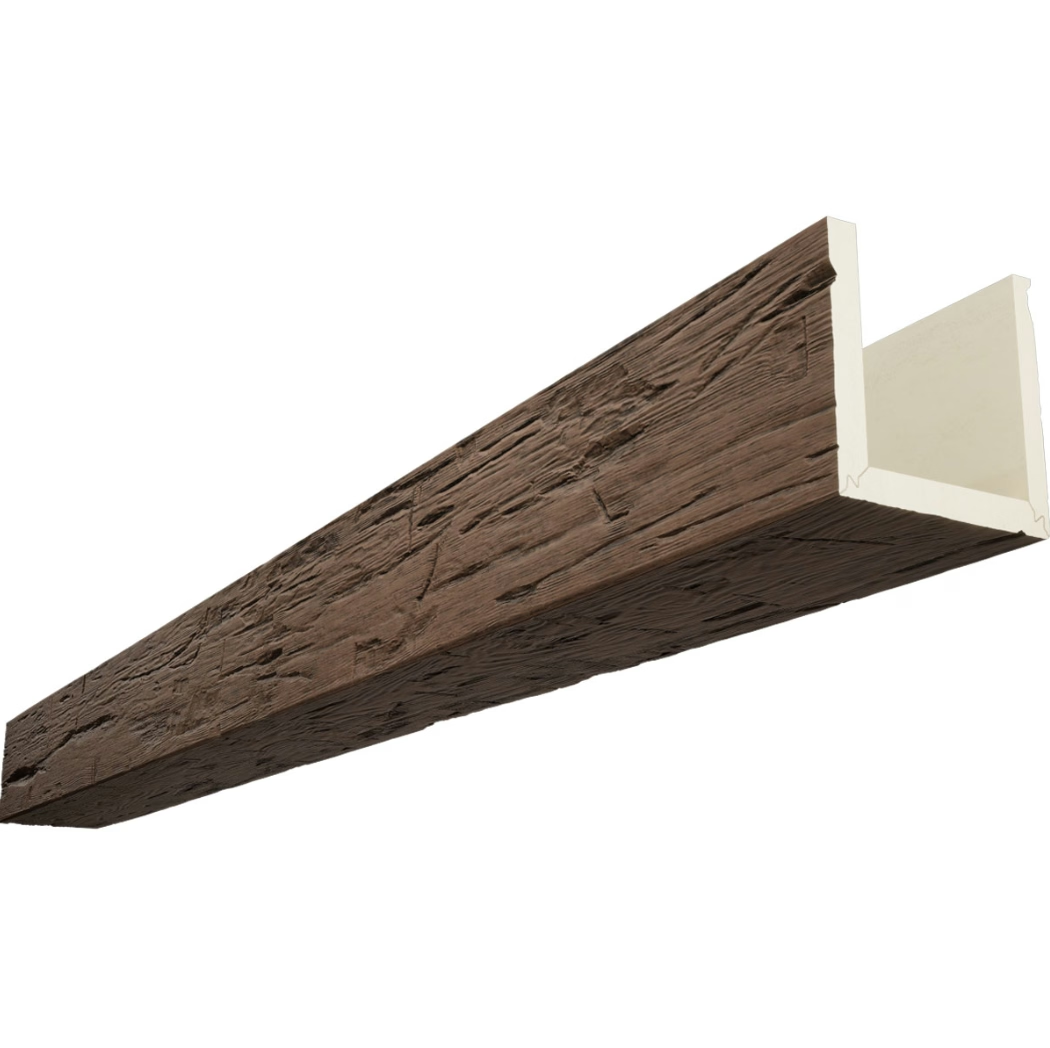
The west coast order seemed straightforward—2,800 linear feet of beams shipping from our Tennessee facility to California via standard LTL freight. We packaged the beams as always, loaded the truck, and tracked the shipment across country. When products arrived, the contractor reported extensive damage—crushed corners, surface gouges, and broken sections affecting nearly 30% of the order. Investigation revealed that our packaging adequate for regional 1-2 day shipments failed during five-day cross-country transit involving multiple transfers, temperature extremes, and rough handling. The $12,000 damage claim taught us that long-distance shipping requires more robust protection than short-haul delivery. We redesigned packaging specifically for transcontinental shipments, implementing carrier selection criteria, and developing shipping protocols that reduced damage rates from 30% to under 2% on subsequent cross-country orders.
Transit damage wastes material, delays projects, frustrates customers, and erodes profitability. While some shipping damage proves unavoidable, systematic packaging design, carrier selection, and logistics management dramatically reduce damage rates regardless of shipping distance. Understanding transportation realities and designing protection systems matching actual shipping conditions prevents most damage while minimizing protection costs.
Understanding Transportation Hazards
Vibration and shock from road conditions, vehicle suspension systems, and normal driving dynamics creates continuous low-level stress plus occasional impact events. Potholes, railroad crossings, and aggressive driving generate forces far exceeding smooth highway conditions. Products must either withstand these forces or have packaging absorbing impacts before they reach products.
Compression loads result from stacking freight—products positioned low in trailers support weight of everything above. LTL shipments where multiple customers' freight loads together create unpredictable compression scenarios. Packaging must withstand compression without crushing or allow strategic crushing that protects products while packaging deforms.
Environmental exposure including temperature extremes, humidity variations, and potential precipitation contact occurs during loading, unloading, and especially during transfer operations where freight temporarily sits outdoors. Summer heat softens some polyurethanes while winter cold makes materials brittle. Moisture from rain or snow can damage packaging even if products themselves resist water.
Handling stress from forklifts, pallet jacks, and manual handling creates localized high forces at lifting points and contact areas. Careless handling damages products and packaging—fork tines puncturing, rough drops, dragging across surfaces. While professional carriers train personnel in proper handling, reality includes some rough treatment that packaging must survive.
Multiple transfers in LTL shipping where freight changes trucks at distribution terminals increases handling instances compared to direct full-truckload shipping. Each terminal transfer creates opportunities for rough handling or package damage. Cross-country LTL shipments might transfer 3-4 times, multiplying damage risk compared to single-transfer local deliveries.
Packaging Design Fundamentals
Corner protection using reinforced edge guards, foam blocks, or corrugated angles prevents the crush damage that commonly occurs at beam ends during handling. Corners suffer disproportionate damage from impact and compression—protecting these vulnerable areas prevents most visible damage. Corner protectors should extend several inches along beam lengths from ends.
Edge protection along beam lengths using foam strips, bubble wrap, or corrugated edge protectors prevents surface damage from strapping, contact with other freight, or handling equipment. While comprehensive edge protection adds cost and bulk, products arriving damaged cost far more than prevention. Balancing protection against shipping costs requires understanding actual damage patterns.
Separation between individual beams prevents contact damage where beams rub against each other during vibration. Foam sheets, corrugated dividers, or kraft paper layers between beams protect surfaces from abrasion. Without separation, beams can abrade each other's finishes during extended transit even without external impacts.
Moisture barriers using plastic sheeting or shrink wrap protect against precipitation exposure during loading, unloading, and outdoor storage at terminals. While polyurethane beams resist water damage structurally, moisture can affect finishes, labels, and corrugated packaging. Moisture barriers should allow some breathability preventing condensation accumulation inside packages.
Structural reinforcement in packaging using plywood end caps, internal bracing, or metal banding provides rigidity that distributes loads across packages rather than allowing localized crushing. Reinforcement proves particularly important for long beams that might flex and break without adequate support. The reinforcement investment proves minimal compared to product replacement costs.

Bundle Configuration and Palletization
Bundle size optimization balances handling efficiency against manageable dimensions and weights. Large bundles reduce handling costs but might exceed forklift capacities or create unwieldy packages prone to damage. Small bundles increase handling complexity. Typical bundles of 6-12 beams measuring 8-12 feet create manageable units for most handling equipment.
Pallet base selection using appropriate pallet sizes, construction, and load ratings ensures packages remain intact through handling and stacking. Standard 48×40 inch pallets suit most shipments, though oversized loads might require larger or custom pallets. Pallet strength must exceed total package weight plus expected compression loads.
Stretch wrap application using multiple layers and proper technique secures bundles to pallets preventing shifting during transit. Proper stretch wrap technique applies 50-75% stretch creating tight secure bundling without excessive film use. Inadequate wrap allows packages to shift loose while excessive wrap wastes material without improving security.
Strapping reinforcement using plastic or steel banding provides additional security beyond stretch wrap particularly for heavy or high-value loads. Strapping should apply at multiple points along package length—typically every 2-3 feet for long beams. Edge protectors at strap contact points prevent strapping from cutting into packaging or products.
Overhang management for beams longer than pallet bases requires additional attention to prevent cantilever damage. Long products overhanging pallets need support preventing sagging or flexing. Some carriers restrict overhang percentages—confirming carrier requirements prevents shipment rejection or surcharges.
Carrier Selection and Management
LTL versus FTL decisions depend on shipment size, timing flexibility, and damage risk tolerance. Full truckload shipping eliminates transfers reducing damage risk while providing faster transit but costs more for partial loads. LTL shipping proves economical for smaller quantities but increases handling and risk. Understanding trade-offs guides appropriate carrier type selection.
Carrier quality assessment reviewing damage claim histories, customer reviews, and operational practices identifies reliable carriers versus problematic ones. While premium carriers cost more, damage rates and service quality often justify higher freight charges. Chronic damage issues with cheap carriers eliminate any rate savings.
Specialized carriers offering services for fragile, high-value, or dimensional freight might prove worthwhile for premium products or sensitive shipments. These carriers use air-ride suspension, train staff in careful handling, and limit transfer quantities. The service premium proves minor compared to damage prevention value.
Direct shipping arrangements bypassing freight networks when possible reduces handling and transit time improving delivery quality. Company-operated fleets or dedicated contract carriers servicing specific routes provide superior control over shipment conditions. Direct arrangements prove most practical for high-volume routes between fixed origin-destination pairs.
White glove services including inside delivery, unpacking, and debris removal minimize customer handling reducing installation damage risk. While expensive, white glove service improves customer experience and reduces post-delivery damage occurring during customer handling. This premium service suits high-end residential deliveries where client experience justifies costs.
Documentation and Quality Control
Pre-shipment inspection photographically documenting product condition before packaging creates evidence for damage claims. Time-stamped photos showing products in pristine condition establish baseline proving any damage occurred during transit. This documentation protects sellers from false damage claims while supporting legitimate claims.
Packaging inspection verifying protection quality before shipment prevents sending inadequately protected goods. Quality checks confirming corner guards positioned properly, separation materials present, moisture barriers sealed, and reinforcement adequate catch problems before products leave facilities. This final inspection costs nothing beyond a few minutes but prevents expensive damage.
Bill of lading accuracy ensuring shipment details match actual freight prevents delivery problems and claim complications. BOL should specify package count, weights, dimensions, and declared value. Accurate documentation proves essential for tracking, claim processing, and carrier accountability.
Freight classification verification ensuring proper NMFC codes and freight class prevents unexpected charges and ensures appropriate handling. Misclassified freight might receive inappropriate handling or trigger carrier disputes. Proper classification based on actual product characteristics, packaging, and dimensions avoids these problems.
Insurance coverage providing financial protection against catastrophic losses supplements carrier liability which typically limits to $0.50 per pound. Declared value coverage through carriers or third-party cargo insurance protects against losses exceeding basic carrier liability. Cost-benefit analysis determines appropriate coverage levels balancing premium costs against loss exposure.
Temperature and Environmental Protection
Thermal insulation for shipments crossing climate zones experiencing extreme temperatures protects products from temperature-induced damage. Reflective bubble wrap, foam insulation, or insulated blankets moderate temperature extremes. While polyurethane beams tolerate wide temperature ranges, extreme heat or cold can affect finishes, adhesives, or dimensional stability.
Heating and cooling considerations for seasonal shipping acknowledge that summer heat in trailers can exceed 140°F while winter cold might drop below 0°F. These extremes stress materials and packaging. Seasonal shipping adjustments might include enhanced thermal protection during extreme weather or timing shipments to avoid worst conditions.
Condensation prevention through proper moisture barriers and avoiding temperature shock protects against moisture damage. Moving cold products into warm humid environments generates condensation that can damage corrugated packaging and finishes. Allowing gradual temperature acclimation or using moisture-resistant packaging mitigates condensation risks.
UV exposure during outdoor storage at terminals or during extended loading operations can affect products with inadequate UV protection. Opaque packaging blocking UV prevents finish degradation during transit exposure. While transit UV exposure proves minimal compared to years of installed exposure, cumulative effects merit consideration for sensitive finishes.
Tracking and Monitoring Technologies
GPS tracking providing real-time shipment location visibility enables proactive management addressing delays or routing issues. Modern carrier systems offer tracking through websites or apps showing current location and estimated delivery. This visibility allows alerting customers to delays and coordinating receiving personnel.
Impact sensors recording shock events during transit document rough handling while creating accountability. These sensors affix to packages and display visible indicators if excessive impact occurs. Some sophisticated sensors log impact data retrievable through apps. Visible sensors might discourage rough handling by making monitoring obvious.
Temperature loggers monitoring thermal exposure throughout transit verify that environmental conditions remained within specifications. These devices record continuous temperature data retrievable after delivery. Documentation proving excessive temperature exposure supports damage claims while exonerating products from environmental-related failures.
RFID tags enabling automated scanning throughout shipping networks provide detailed tracking of individual packages rather than just shipment-level visibility. RFID technology particularly benefits high-value shipments or situations requiring detailed chain-of-custody documentation. Cost-benefit analysis determines whether RFID investment proves worthwhile for specific applications.
Receiving and Damage Documentation
Delivery inspection protocols requiring careful examination before accepting freight catches damage while delivery personnel remain present enabling immediate notation on delivery receipts. Accepting freight without inspection waives ability to claim concealed damage with carriers. Systematic inspection prevents losing claim rights through premature acceptance.
Photographic evidence documenting any damage immediately upon discovery creates indisputable records supporting claims. Photos should show overall package condition, specific damage locations, and relationship to packaging showing whether damage penetrated protection. Comprehensive photo documentation proves essential for successful claim resolution.
Carrier notification within required timeframes—typically 24-48 hours for concealed damage—preserves claim rights under carrier terms. Delayed notification allows carriers denying claims arguing damage occurred after delivery. Understanding and meeting notification requirements proves essential for claim recovery.
Damage quantification systematically identifying all affected products prevents discovering additional damage after claim settlements close. Complete damage assessment before filing claims ensures adequate compensation without requiring supplemental claims that carriers resist honoring.
Rejection procedures for shipments with extensive obvious damage refuse acceptance placing burden on carriers to reship. While potentially delaying projects, rejection sometimes proves more efficient than accepting damaged goods then pursuing claims. Rejection decisions should balance project urgency against damage severity.
Claims Management and Recovery
Documentation compilation organizing inspection photos, bills of lading, invoices, and correspondence creates comprehensive claim packages accelerating processing. Well-documented claims with clear evidence process faster than incomplete submissions requiring information requests extending claim resolution.
Damage valuation establishing replacement costs, shipping charges, and consequential damages quantifies claim amounts. Claims should include not just product value but also reshipping costs and potentially customer compensation for project delays. Comprehensive valuation ensures adequate recovery.
Negotiation strategies pursuing fair settlements while maintaining carrier relationships balances recovery against ongoing business needs. Aggressive claim pursuit might win maximum compensation but damage relationships affecting future service. Reasonable negotiation achieves fair outcomes while preserving working relationships.
Legal recourse for denied claims or inadequate settlements might involve mediation, arbitration, or litigation depending on claim value and carrier responsiveness. Understanding when to escalate versus accepting settlements requires judgment balancing recovery amounts against pursuit costs.
Root cause analysis investigating damage patterns identifies systematic problems requiring corrective action beyond individual claims. If damage concentrates at specific terminals, routes, or product types, addressing root causes prevents recurrence. This analysis transforms reactive claim management into proactive damage prevention.
Continuous Improvement Systems
Damage tracking databases recording incidents, causes, and resolutions reveal patterns guiding prevention efforts. Systematic data collection allows quantifying damage rates, identifying problematic carriers or routes, and measuring improvement from packaging changes. Data-driven decisions prove more effective than intuition-based approaches.
Packaging testing subjecting packages to simulated shipping conditions validates protection before field deployment. Drop tests, compression tests, and vibration testing replicate transportation stresses revealing packaging weaknesses. Testing prototypes prevents deploying inadequate protection at scale.
Carrier performance reviews analyzing damage rates, claim responsiveness, and service quality by carrier guides future selection decisions. Systematic evaluation moves beyond anecdotal experiences to objective data supporting rational carrier choices. Poor-performing carriers deserve elimination regardless of rate advantages.
Cost-benefit optimization balancing packaging investments against damage costs determines economically rational protection levels. While minimizing packaging costs seems logical, damage costs often dwarf packaging expenses making generous protection economical. Analysis should consider total costs including damage, claims processing, and customer satisfaction impacts.
Professional Logistics Management
Transit damage prevention in cross-country beam shipments requires systematic approaches to packaging design, carrier selection, documentation, and quality control. Understanding transportation realities and designing protection matching actual shipping conditions reduces damage rates dramatically while maintaining economical shipping costs. For manufacturers, distributors, and contractors shipping polyurethane beams significant distances, investing in comprehensive damage prevention systems delivers returns through reduced waste, improved customer satisfaction, and enhanced profitability that far exceed prevention costs.
Effective transit damage prevention separates professional logistics operations from those accepting damage as inevitable cost of business. The investment in superior packaging, carrier qualification, and systematic management prevents damage more economically than accepting losses through claims processes.
Technical References
ASTM standards cited in every specification
Test Data
Lab results from internal testing program
Updated 2026
Reviewed against current product specs