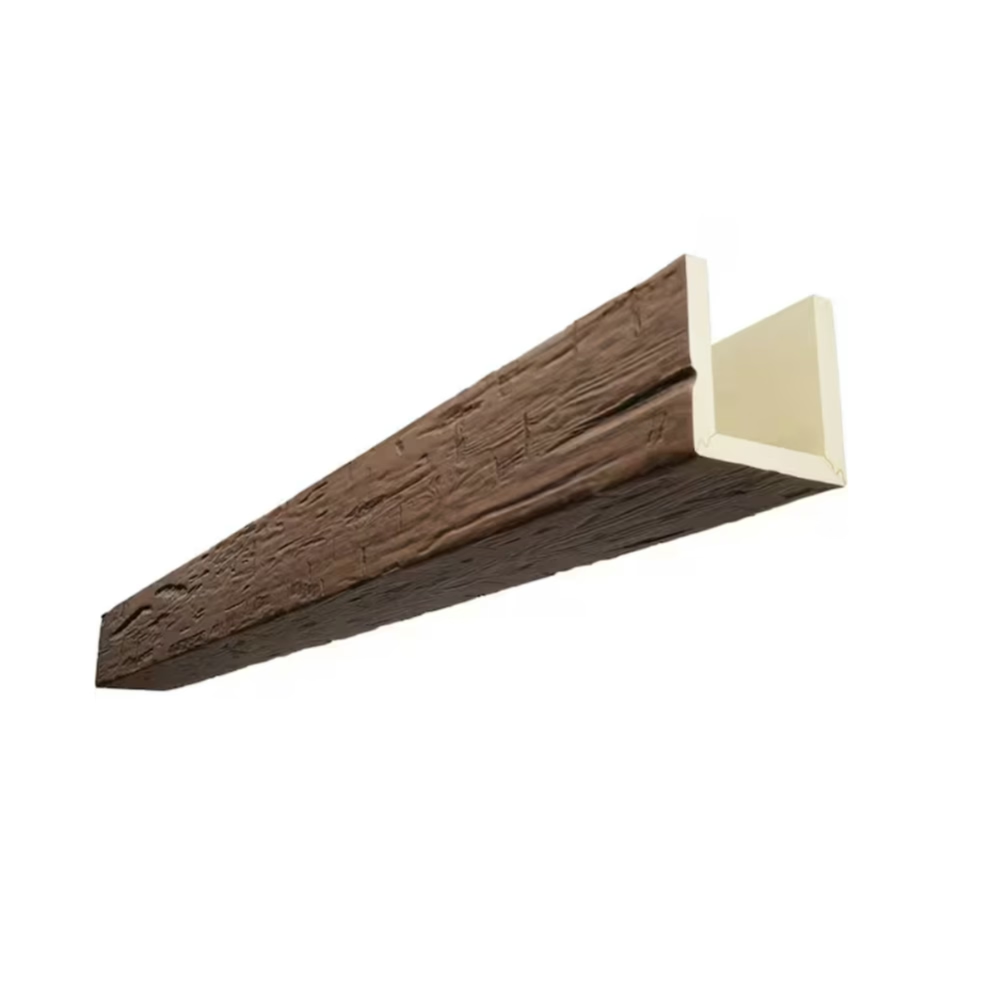
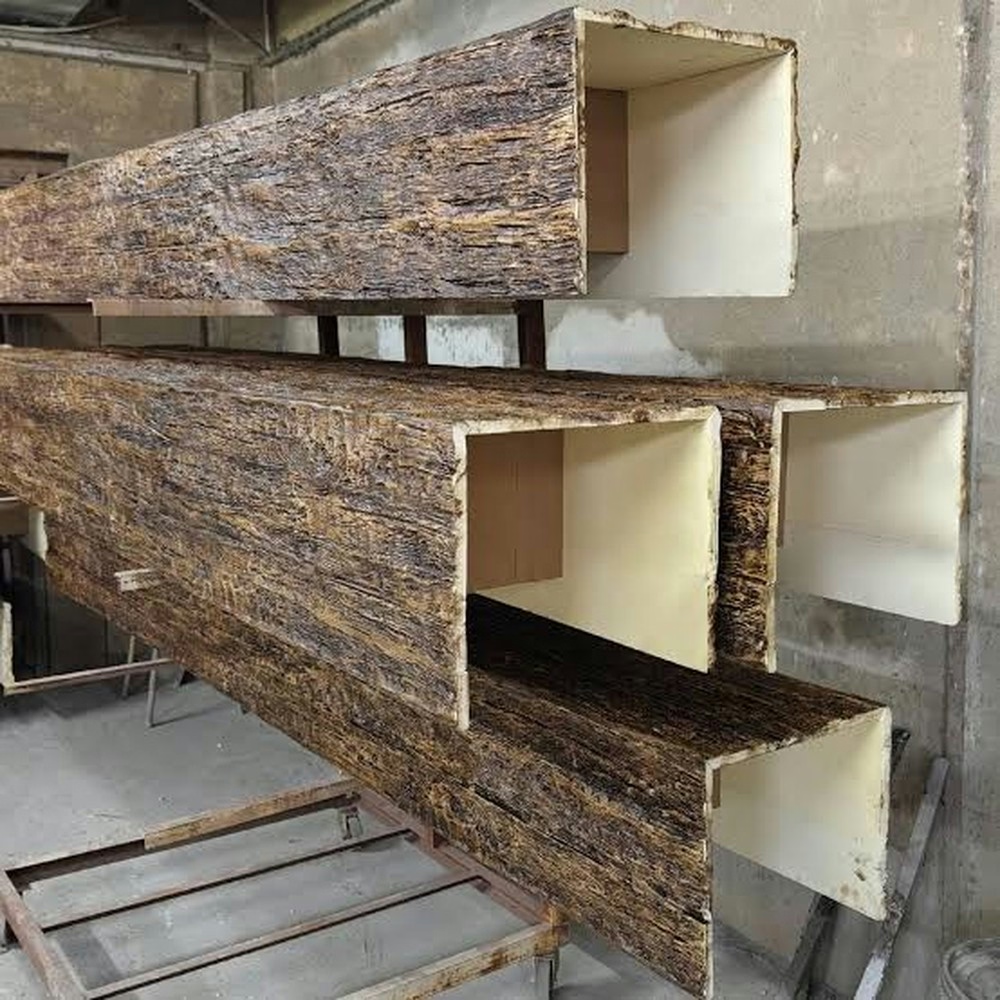
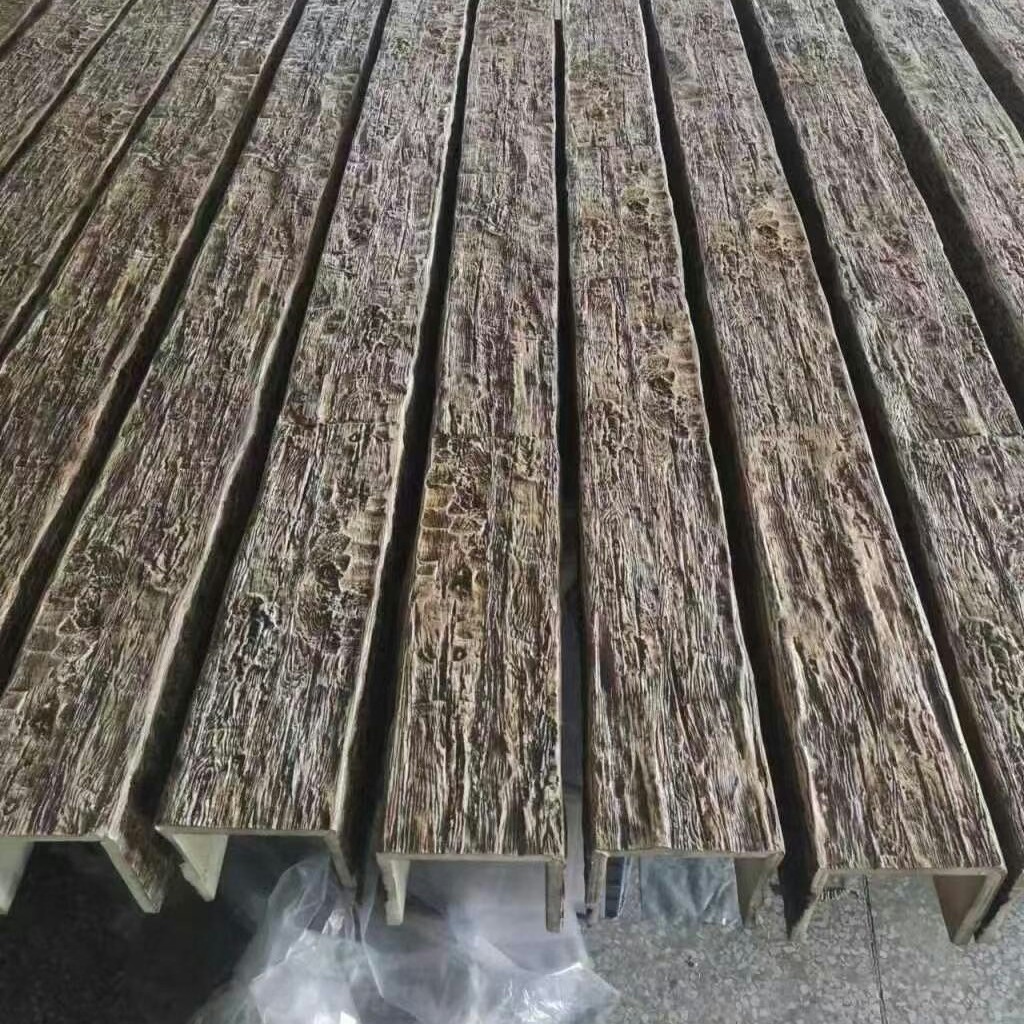
The luxury home featured radiant floor heating throughout—a premium comfort system the owners loved. We installed decorative beams in the great room during August with the heating system off for summer. Come December, the homeowner called reporting that several beams had developed gaps at joints and minor cracking near fasteners. Site investigation revealed the radiant heating created 10-15°F temperature differential between floor and ceiling, with ceiling temperatures reaching 78-80°F despite 70°F thermostat settings. This elevated ceiling temperature plus low winter humidity created thermal stress our installation hadn't anticipated. We redesigned the mounting system with flexible connections and expansion joints, but that reactive fix could have been prevented by understanding radiant heating effects during initial installation planning.
Underfloor radiant heating systems create unique environmental conditions affecting ceiling installations through thermal stratification, humidity dynamics, and temperature cycling patterns differing from conventional forced-air systems. While radiant heating provides superior comfort and energy efficiency, installers must understand these systems' effects on ceiling environments to prevent thermal stress damage and ensure long-term installation success.
Understanding Radiant Heating Principles
Heat distribution mechanics in radiant systems warm floor surfaces to 75-85°F, which then radiates warmth upward heating occupants and air through radiation and convection. Unlike forced-air systems mixing air throughout rooms, radiant heating creates temperature gradients where floors remain warmest with progressive cooling toward ceilings. This stratification reverses normal convection patterns where warm air rises.
Temperature stratification in radiant-heated spaces typically shows 5-15°F difference between floor and ceiling temperatures depending on ceiling height and insulation. Higher stratification occurs in tall rooms or those with poor insulation where heat loss through ceilings creates larger temperature differentials. This gradient means ceiling-mounted beams experience different temperatures than room thermostats indicate.
Thermal mass effects from radiant systems create slow temperature changes compared to forced-air systems that heat and cool rapidly. Radiant slabs store substantial heat energy, taking hours to warm up or cool down. This thermal inertia creates stable temperatures beneficial for material stability but means temperatures remain elevated even when thermostats cycle off, potentially affecting adhesive cure or material conditioning.
Humidity dynamics differ from forced-air systems since radiant heating doesn't actively dehumidify air. Winter heating with radiant systems can create very low humidity—often 15-25% RH—since warm temperatures reduce relative humidity of air without moisture removal. This extreme dryness affects adhesive curing and material conditioning more than moderate humidity environments typical in forced-air heated homes.
Cycling patterns in radiant systems occur more gradually than forced-air systems. Rather than rapid on-off cycles every 15-20 minutes, radiant systems might run continuously at lower output modulating temperature gradually. This stable operation reduces thermal stress cycles but means materials experience sustained elevated temperatures rather than intermittent heating.
Temperature Effects on Materials and Adhesives
Polyurethane thermal properties including coefficient of thermal expansion and softening temperatures affect how beams respond to elevated ceiling temperatures. Most polyurethane beams tolerate temperatures to 140-150°F without damage, well above typical radiant-heated ceiling temperatures. However, sustained temperatures at 75-80°F versus 65-70°F in non-radiant homes create additional thermal expansion that installation systems must accommodate.
Adhesive cure acceleration at elevated temperatures affects installation timing and working time. Construction adhesives typically cure faster in warm conditions—adhesive with 30-minute working time at 70°F might have only 15-20 minutes at 80°F. Understanding ambient temperature effects prevents rushing installations or discovering adhesive has skinned over before achieving proper bonding.
Adhesive ultimate strength potentially reduces at sustained elevated temperatures depending on adhesive chemistry. Some adhesives formulated for room temperature service lose strength at elevated temperatures—not catastrophically but measurably. Verifying adhesive temperature ratings ensures selected products maintain adequate strength at actual ceiling operating temperatures.
Thermal expansion in long-span beams increases proportionally with temperature differentials. A 16-foot beam experiencing 15°F ceiling temperature elevation expands approximately 0.08 inches more than in non-radiant heated spaces (assuming 40×10⁻⁶ CTE). This additional expansion must be accommodated through appropriate mounting systems or expansion joints.
Installation Timing Considerations
Seasonal installation scheduling affects whether installers work with radiant systems active or inactive. Summer installations occur with heating off, potentially creating adhesive cure conditions significantly different from winter operating temperatures. Winter installations work with heating active but face logistics of temporarily reducing temperatures for proper adhesive application.
System shutdown periods before installation allow ceiling temperatures equilibrating to ambient conditions more favorable for adhesive application. Most adhesive manufacturers recommend application temperatures between 50-90°F—shutting radiant heating 24-48 hours before installation allows ceilings cooling to this range. However, homeowner coordination proves essential since winter heating shutdown creates comfort sacrifices.
Temperature monitoring during installation using infrared thermometers or thermal cameras verifies actual ceiling surface temperatures versus thermostat readings. Ceiling temperatures might exceed air temperatures by 10-15°F when radiant heating operates—measuring actual surfaces prevents applying adhesive outside recommended temperature ranges.
Cure time extensions in warm conditions require adjustment to standard cure schedules. If manufacturer data specifies 24-hour cure at 70°F, elevated temperatures might reduce cure time to 16-18 hours. However, rushing installation steps before adequate cure risks bond failure. Understanding temperature effects on cure kinetics guides appropriate timing.
Post-installation heat-up procedures gradually increasing temperatures rather than immediately returning to full heating prevents thermal shock stressing fresh installations. Bringing radiant systems back online gradually over 24-48 hours allows adhesive completing cure while slowly introducing thermal loads rather than shocking installations with abrupt temperature increases.

Humidity Management Strategies
Humidification systems often pair with radiant heating to combat dry winter air that radiant systems don't inherently address. Maintaining 35-45% RH through whole-house humidifiers improves comfort while creating conditions less stressful for wood-based materials and adhesives. However, humidifier operation affects adhesive cure rates and material conditioning.
Moisture vapor permeability in ceiling assemblies affects whether humid air migrates into ceiling cavities potentially causing condensation during cold weather. Radiant heating maintains warm interior temperatures while ceiling insulation contacts cold exterior conditions—improper vapor barriers might allow moisture migration causing condensation. Understanding ceiling construction prevents moisture problems that could affect beam installations.
Dehumidification requirements during shoulder seasons when radiant heating operates during cool periods but outside humidity remains high might require mechanical dehumidification. Spring and fall operation can create humidity issues that winter operation doesn't present. Installations should anticipate these seasonal humidity variations through appropriate material and adhesive selection.
Material conditioning allowing beams equilibrating to installation environment humidity before mounting prevents dimensional changes after installation. While polyurethane doesn't absorb moisture like wood, allowing materials reaching thermal equilibrium with installation environment ensures dimensional stability. Conditioning periods of 24-48 hours in installation environment suffice for most applications.
Mounting System Adaptations
Flexible mounting using elastomeric adhesives or mechanical systems allowing movement accommodates thermal expansion in radiant-heated environments. Standard rigid mounting that works adequately in forced-air heated homes might not provide sufficient movement capacity for radiant installations. Selecting adhesives specifically rated for movement capability or incorporating slotted fastener holes allows thermal expansion without damage.
Expansion joint spacing might require shorter intervals in radiant-heated spaces compared to conventional heating due to larger thermal expansion from elevated operating temperatures. If standard practice uses expansion joints every 20 feet, radiant installations might require joints every 14-16 feet accounting for additional expansion from sustained higher ceiling temperatures.
Fixed point strategy establishing single secure mounting locations with all other attachments allowing sliding proves particularly important in radiant-heated installations where thermal movement exceeds conventional systems. The fixed-point approach provides positive positioning while allowing controlled expansion preventing stress accumulation.
Thermal break materials inserted between mounting cleats and ceiling framing might reduce heat transfer from radiant-warmed spaces into ceiling cavities where temperature differentials could create condensation. While probably unnecessary for most installations, high-performance homes with thick insulation might benefit from thermal breaks preventing thermal bridging through mounting systems.
Long-Term Performance Monitoring
Seasonal inspection protocols checking installations during both heating and non-heating seasons verify that thermal cycling doesn't create progressive damage. Initial winter season after installation deserves particular attention since first heating cycle reveals whether expansion accommodation proves adequate. Annual inspections thereafter confirm continued performance.
Joint condition assessment during winter operation when temperatures peak reveals whether expansion joints maintain adequate spacing without closing completely. Completely closed joints during peak temperatures indicate inadequate joint sizing requiring monitoring and potential intervention if problems develop.
Adhesive bond integrity checking for edge lifting, gap formation, or adhesive squeeze-out changes indicates whether bonds accommodate thermal movement adequately. Progressive bond degradation suggests thermal stress exceeding adhesive capabilities requiring remediation before failures worsen.
Humidity logging through inexpensive data loggers recording temperature and humidity over seasons creates records documenting actual environmental conditions installations experience. This data proves valuable diagnosing problems and validating that conditions remained within material and adhesive ratings. Data logging costs trivially compared to diagnostic value when problems occur.
Adhesive Selection Criteria
Temperature rating verification ensures selected adhesives maintain specifications at actual ceiling operating temperatures. Adhesive technical data sheets should explicitly state maximum service temperatures—products rated only to 140°F might soften at sustained 80°F ceiling temperatures. Selecting adhesives with adequate temperature margins ensures reliable long-term performance.
Flexibility requirements favor adhesives maintaining elasticity at operating temperatures over rigid formulations that might crack under thermal stress. Polyurethane and hybrid polymer adhesives generally provide better thermal movement accommodation than rigid epoxies or basic construction adhesives.
Humidity tolerance during cure proves important in dry radiant-heated environments. Some adhesives require atmospheric moisture for proper cure—in very dry conditions (below 30% RH), these moisture-cure adhesives might not cure properly. Understanding adhesive cure mechanisms and confirming compatibility with anticipated humidity levels prevents cure problems.
Manufacturer technical support consultation about specific radiant heating applications provides expert guidance beyond generic technical data sheets. Adhesive manufacturers familiar with radiant heating effects can recommend specific products and application modifications optimizing performance in these environments.
System Integration Considerations
HVAC coordination between radiant heating contractors and ceiling installers ensures both systems accommodate each other. Radiant designers should know about planned ceiling treatments potentially affecting stratification or heat loss. Beam installers should understand radiant operating temperatures and control strategies affecting installation timing and material selection.
Insulation impacts on ceiling temperatures affect heat loss and temperature gradients. Well-insulated ceilings reduce heat loss, lowering ceiling temperatures and reducing thermal stress on beam installations. Conversely, poorly insulated ceilings require higher radiant output creating elevated ceiling temperatures. Understanding ceiling insulation guides thermal stress analysis.
Ceiling fan usage in radiant-heated spaces reduces stratification by mixing air throughout rooms. Homeowners running ceiling fans during heating seasons create more uniform temperature distributions reducing thermal stress on ceiling installations. However, ceiling fan mounting loads require structural consideration during blocking installation.
Thermostat placement and control strategies affect operating patterns and temperatures. Thermostats positioned to sense return air temperature might run systems differently than those sensing occupied space temperature. Understanding actual control strategies helps predict operating patterns affecting installations.
Building Science Principles
Vapor barriers and air sealing in ceiling assemblies prevent moisture migration into ceiling cavities where temperature differences might create condensation. Understanding local building codes and best practices for climate zones guides proper ceiling construction supporting both radiant heating operation and ceiling beam installation longevity.
Thermal bridging through ceiling penetrations for beams or mounting systems generally proves insignificant for energy performance but might create condensation points during extreme conditions. Proper air sealing around penetrations prevents air movement that could transport moisture regardless of thermal bridging.
Stack effect in multi-story homes with radiant heating creates air movement patterns affecting temperature distribution and humidity transport. Understanding whole-house air flows helps predict ceiling environment conditions affecting beam installations.
Troubleshooting Common Issues
Gap formation at beam joints during winter heating typically indicates inadequate expansion accommodation. If gaps appear during heating season but close during summer, thermal expansion exceeds joint capacity. Remediation might involve enlarging joints, adding expansion joints, or converting to flexible mounting.
Adhesive bond failure concentrated at certain seasons suggests temperature or humidity effects exceeding adhesive capabilities. Bonds failing during winter heating might indicate elevated temperature reducing adhesive strength. Summer failures might indicate humidity effects during high-moisture periods.
Fastener failure or beam cracking near fasteners indicates thermal stress from restrained expansion. Fixed fastening patterns that work in conventional heating might prove inadequate for radiant installations creating higher thermal stress. Converting to flexible mounting or adding expansion relief prevents progressive damage.
Professional Installation Excellence
Underfloor radiant heating compatibility requires understanding thermal stratification, temperature effects on materials and adhesives, and appropriate installation adaptations ensuring long-term success. While radiant heating creates superior comfort, installers must account for unique environmental conditions these systems create. Understanding these effects and implementing appropriate material selection, mounting systems, and installation timing prevents thermal stress damage while ensuring decorative ceiling treatments perform reliably in radiant-heated environments.
For installers working in homes with radiant heating, this specialized knowledge distinguishes professional contractors from those applying generic installation practices regardless of HVAC system type. The modest additional care required for radiant compatibility prevents problems while supporting the premium home performance that radiant heating provides.
Technical References
ASTM standards cited in every specification
Test Data
Lab results from internal testing program
Updated 2026
Reviewed against current product specs