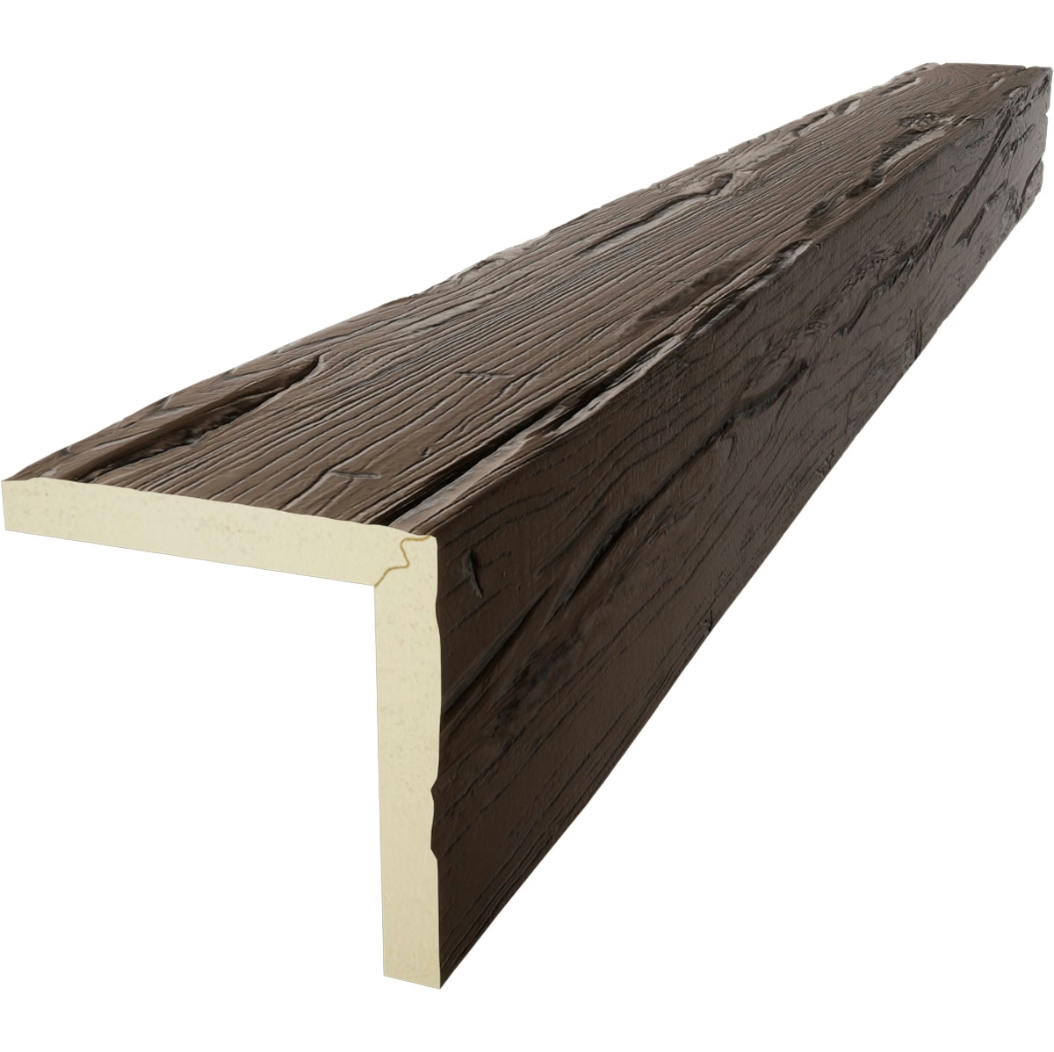
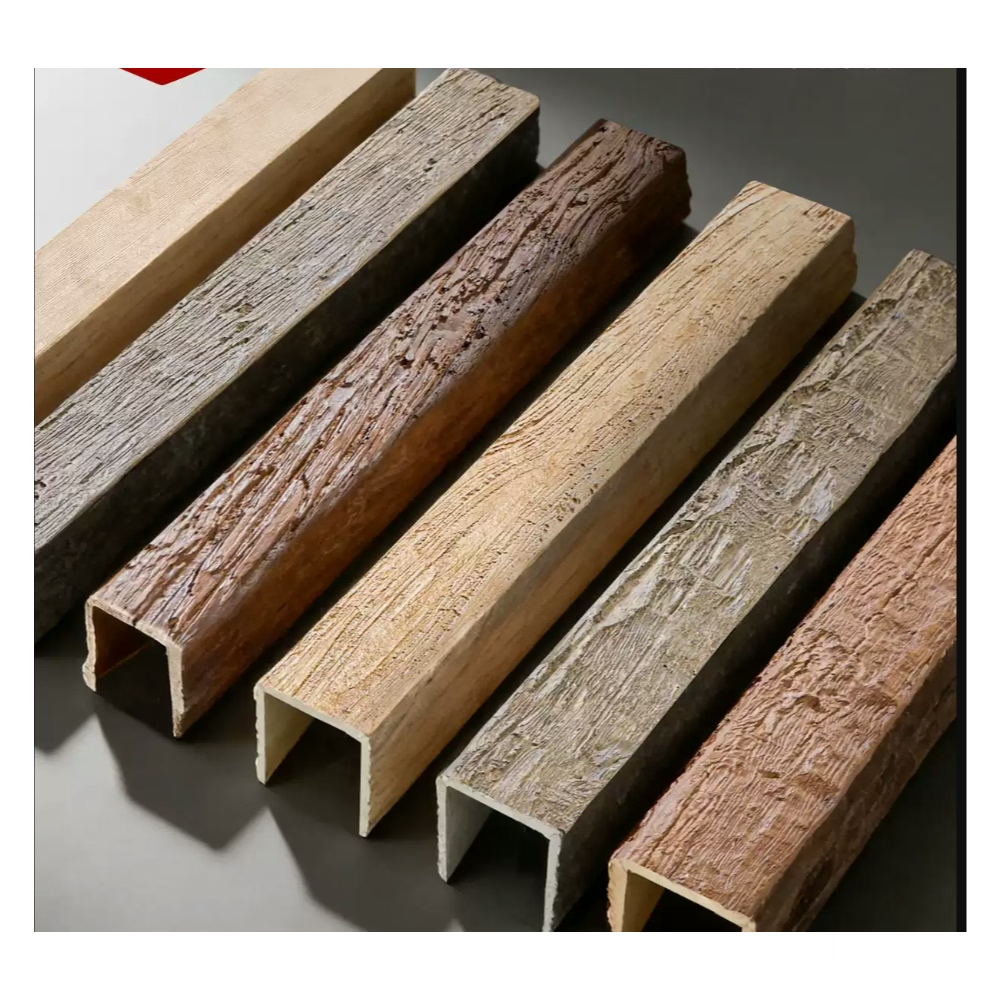
The sunroom addition featured floor-to-ceiling glass on three sides providing spectacular garden views and abundant natural light. We installed beautiful hand-hewn beams matching the home's rustic aesthetic—using standard interior-grade polyurethane without verifying UV resistance. Eighteen months later, the homeowner called reporting color fading. Site inspection revealed dramatic bleaching where direct sun struck beams—rich walnut tones had faded to washed-out tan. Areas receiving indirect light remained perfect. The manufacturer's standard interior formulation lacked UV stabilizers adequate for this high-exposure application. We replaced the beams with UV-stabilized products costing 15% more but rated for outdoor exposure. Five years later, those replacement beams look like new despite intense daily sun exposure. That expensive lesson taught me to verify UV resistance for any application involving significant natural light exposure.
UV stabilizer requirements separate indoor-rated products adequate for typical residential interiors from materials withstanding intense sunlight in high-exposure applications. Understanding UV degradation mechanisms, stabilizer chemistry, testing protocols, and specification requirements ensures material selections deliver long-term performance in challenging light environments that unprotected materials can't survive without obvious degradation.
Understanding UV Degradation Mechanisms
Photochemical damage occurs when UV radiation breaks molecular bonds in polymer chains, initiating degradation cascades that progressively destroy material integrity. UV wavelengths between 290-400 nanometers carry sufficient energy breaking carbon-carbon and carbon-hydrogen bonds. Once broken, these molecular fragments react with oxygen creating further degradation in self-perpetuating cycles.
Surface chalking results from polymer degradation where surface molecules break down into powdery residue. Running fingers across chalked surfaces leaves white powder—degraded polymer fragments no longer bonded into continuous materials. Chalking indicates advanced degradation where significant material damage has occurred.
Color fading happens when UV radiation breaks down pigment molecules or destroys chemical bonds creating colors in materials. Organic pigments particularly susceptible to UV damage fade dramatically while inorganic pigments generally prove more stable. Fading represents one of first visible signs of UV damage, often preceding mechanical property degradation.
Cracking and embrittlement develop as UV exposure reduces polymer molecular weight through chain scission. Materials lose flexibility and toughness, becoming brittle and prone to cracking under stress. This mechanical degradation follows initial surface and color changes, indicating cumulative damage affecting bulk material properties.
Gloss reduction occurs as surface degradation creates microscopic roughness scattering light rather than reflecting uniformly. Glossy surfaces become progressively matte as UV exposure roughens surfaces through differential degradation. Gloss loss often accompanies chalking as related manifestations of surface degradation.
UV Stabilizer Chemistry and Function
UV absorbers work by absorbing UV radiation themselves, converting photon energy into harmless heat before UV can damage polymers. Benzotriazole and benzophenone compounds effectively absorb UV wavelengths most damaging to polymers. These compounds sacrifice themselves through photochemical reactions, gradually depleting through use but protecting base polymers during their functional lifetime.
Hindered amine light stabilizers (HALS) function differently than absorbers—rather than absorbing UV, HALS scavenge free radicals created when UV breaks polymer bonds. This mechanism prevents degradation cascades where initial damage propagates through materials. HALS provide excellent long-term protection and synergize well with UV absorbers, making combinations particularly effective.
Pigment selection affects UV resistance significantly since some pigments inherently resist photodegradation better than others. Inorganic pigments including iron oxides and titanium dioxide provide excellent UV stability while many organic pigments fade rapidly. Carbon black offers exceptional UV resistance, making dark colors generally more stable than light or bright colors.
Antioxidants complement UV stabilizers by preventing oxidative degradation that often accompanies photodegradation. While not directly addressing UV damage, antioxidants interrupt degradation pathways where oxygen reacts with UV-damaged polymers. Comprehensive stabilizer packages include both UV-specific and antioxidant additives.
Concentration optimization balances protection against cost and potential impacts on other material properties. Typical UV stabilizer loadings range from 0.5-3% by weight depending on exposure severity and desired protection duration. Higher concentrations provide better protection but add cost while potentially affecting processing or physical properties.

Exposure Severity Classification
Typical interior applications with ambient natural light through normal windows represent low UV exposure. Standard residential interiors receive sufficient daylight for comfortable illumination without intense direct sun exposure. Most interior-grade materials withstand these conditions indefinitely without significant UV protection.
High-light interiors including rooms with extensive south-facing windows, skylights, or clerestory windows receive substantially more UV than typical spaces. These applications approach exterior exposure levels during peak sunlight hours. Materials rated only for typical interiors show accelerated degradation in these demanding environments.
Three-season rooms and sunrooms with extensive glazing and minimal shading represent severe interior UV exposure rivaling exterior applications. These transitional spaces receive nearly exterior-level UV during use seasons. Only materials with exterior-grade UV protection maintain appearance and integrity in these applications.
Geographic considerations affect exposure severity—high altitude and low latitude locations receive more intense UV than sea-level northern regions. Denver sunlight proves more damaging than Seattle sunlight. Elevation increases UV intensity approximately 8-10% per mile above sea level. Material specifications should account for geographic factors.
Seasonal variation creates peak exposures during summer when sun angles and daylight duration maximize UV exposure. Materials might tolerate winter and shoulder season exposure but degrade during summer peaks. Understanding seasonal patterns helps predicting long-term performance.
Testing Standards and Protocols
ASTM G154 accelerated weathering using UV lamps simulates years of exposure in weeks or months. Test chambers expose samples to UV radiation under controlled temperature and humidity while periodically wetting samples simulating rain and dew. Comparing test samples to controls quantifies degradation rates enabling performance predictions.
Xenon arc testing following ASTM G155 uses full-spectrum light sources more closely matching natural sunlight than UV-only lamps. Xenon testing proves particularly valuable for color stability assessment since full-spectrum exposure reveals color shifts that UV-only testing might miss. However, xenon testing costs more than UV lamp methods.
Florida exposure testing using outdoor test racks in high-UV environments provides real-world validation though requiring extended timeframes. Florida and Arizona outdoor exposure sites operated by testing services expose materials to actual weathering documenting long-term performance. While valuable, this testing requires months or years producing results.
Color measurement using spectrophotometry quantifies color changes objectively. Delta E values calculated from spectrophotometric measurements before and after UV exposure provide numerical color change assessments. Industry typically considers Delta E below 2 as imperceptible, 2-5 as noticeable to careful observers, and above 5 as obvious color change.
Mechanical property testing measuring tensile strength, elongation, impact resistance, and other properties before and after UV exposure reveals whether photodegradation affected bulk material integrity beyond just surface appearance. Some materials maintain appearance but lose mechanical properties—comprehensive testing catches these less-obvious degradation modes.
Specification Requirements
Minimum exposure ratings defining acceptable performance levels should specify UV resistance adequate for anticipated applications. Specifications might require materials passing 1,000 hours ASTM G154 exposure without visible degradation. More demanding applications might specify 2,000-3,000 hours equivalent to 10-20 years typical service.
Color stability requirements establishing acceptable color change limits prevent fading that undermines appearance despite materials remaining structurally sound. Specifications might limit Delta E to 3 after specified exposure durations. Tighter limits (Delta E <2) suit applications where color consistency proves critical.
Gloss retention standards defining how much gloss loss proves acceptable address surface degradation. Specifications might require maintaining 80% of initial gloss after specified exposure. This criterion catches surface chalking and degradation before becoming severe.
Mechanical property retention requirements ensure that UV exposure doesn't degrade structural properties. Specifications might require maintaining 80% of initial tensile strength and 70% of initial elongation after accelerated weathering. These thresholds prevent brittle materials that might appear acceptable but mechanically compromised.
Documentation requirements obligating manufacturers to provide test reports from accredited laboratories ensure specification compliance verification. Requiring actual test data rather than accepting manufacturer claims without documentation protects specifiers from products not meeting actual requirements.
Application-Specific Considerations
Sunroom installations requiring near-exterior-grade UV protection should specify materials rated for outdoor exposure despite technically installing indoors. The extensive glazing and intense sun exposure in properly designed sunrooms rivals exterior conditions. Using interior-grade materials creates foreseeable failures.
Skylighted spaces receiving direct overhead sun exposure warrant particular attention since overhead glass provides minimal UV filtering while sunlight arrives at perpendicular angles maximizing intensity. Skylight-exposed beams experience more severe conditions than wall windows where oblique angles reduce intensity.
Southern exposures in Northern Hemisphere (northern exposures in Southern Hemisphere) receive most intense sun requiring most robust UV protection. Specifications might tier requirements by exposure—south-facing applications requiring higher UV resistance than north-facing installations receiving minimal direct sun.
High-altitude applications in mountain regions experience UV intensities exceeding sea-level exposure substantially. Each 1,000 feet elevation increases UV approximately 8%, making Denver installations face 40% higher UV than sea-level equivalents. High-altitude specifications should account for these exposure amplifications.
Material Selection Strategies
Exterior-grade products for demanding interior applications provides conservative approach ensuring adequate UV protection despite premium pricing. While exterior products cost 15-25% more than standard interior grades, this premium proves minimal compared to premature failure costs requiring replacement.
Dark color preference where aesthetics permit leverages inherent UV resistance of carbon black pigments. Dark browns, grays, and blacks maintain color better than light tans, whites, or bright colors. If design flexibility exists, darker colors provide longer-term appearance stability.
Sacrificial finishes applying UV-protective topcoats over base products provides protection that allows refinishing extending service life. Clear UV-protective coatings applied over standard products can provide protection, though requiring periodic recoating as protective films degrade. This approach suits applications where periodic maintenance proves acceptable.
Shade integration through window films, awnings, or interior shading devices reduces UV exposure allowing less-protected materials performing adequately. Architectural solutions limiting UV sometimes prove more practical than specifying maximum-protection materials, particularly for retrofits where material choices prove limited.
Long-Term Maintenance Strategies
Periodic inspection monitoring color, surface condition, and gloss enables detecting degradation before it becomes severe. Annual inspection photographing conditions creates records showing whether degradation progresses or remains stable. Early detection allows intervention before replacement becomes necessary.
Cleaning protocols removing dirt and contaminants that might accelerate degradation maintains material appearance while preventing accumulation of materials that might interact with polymers promoting degradation. Regular dusting and occasional mild detergent washing extends service life.
Protective coating application when early degradation appears can arrest progression preventing further damage. UV-protective clear coatings applied when initial fading begins seals surface preventing oxygen access required for degradation cascades continuing. This intervention extends service life substantially when applied promptly.
Replacement planning acknowledging that even well-protected materials eventually require replacement after extended severe exposure creates realistic expectations. If UV exposure proves extreme enough, even best-protected materials gradually degrade over decades. Planning for eventual replacement prevents viewing degradation as product failure rather than end of design service life.
Cost-Benefit Analysis
Premium material costs for UV-stabilized products typically add 15-25% to base prices—perhaps $8-10 per linear foot versus $6-7 for standard interior products. This incremental cost appears modest when amortized over expected service life.
Replacement costs if inadequate UV protection requires premature replacement include not just new materials but removal, disposal, and reinstallation labor often exceeding original installation costs. Replacement might cost 2-3x original installation when all costs account.
Service life extension from proper UV stabilization can increase useful life from 5-7 years for unprotected materials in severe exposure to 20+ years for properly protected products. This 3x+ service life extension clearly justifies 20% material premium.
Emerging UV Protection Technologies
Nanoparticle UV screens using titanium dioxide or zinc oxide nanoparticles provides effective UV blocking with less material than conventional absorbers. Nanoparticle additives are gaining adoption in high-performance applications though adding cost.
Dual-mechanism stabilizers combining UV absorption and free radical scavenging in single molecules provide efficient protection in lower doses than combining separate additives. These sophisticated stabilizers improve performance per dollar spent on additives.
Self-healing coatings incorporating chemistry that repairs minor surface damage extends protection life by maintaining coating integrity despite minor degradation. While emerging rather than mature technology, self-healing shows promise for long-term protection.
Professional Specification Excellence
UV stabilizer requirements for high-exposure interior applications demand understanding photodegradation mechanisms, stabilizer chemistry, testing protocols, and performance standards. Properly specified materials with adequate UV protection maintain appearance and integrity through decades in challenging high-light environments that unprotected materials can't survive without obvious degradation. For architects, designers, and contractors specifying materials for sunrooms, skylighted spaces, and other high-exposure interiors, verifying UV resistance prevents expensive premature failures while ensuring long-term client satisfaction.
The modest premium for UV-stabilized materials proves trivial compared to replacement costs if inadequate protection causes premature failure. Professional practice demands matching material specifications to actual application conditions rather than defaulting to standard interior products regardless of exposure severity.
Technical References
ASTM standards cited in every specification
Test Data
Lab results from internal testing program
Updated 2026
Reviewed against current product specs