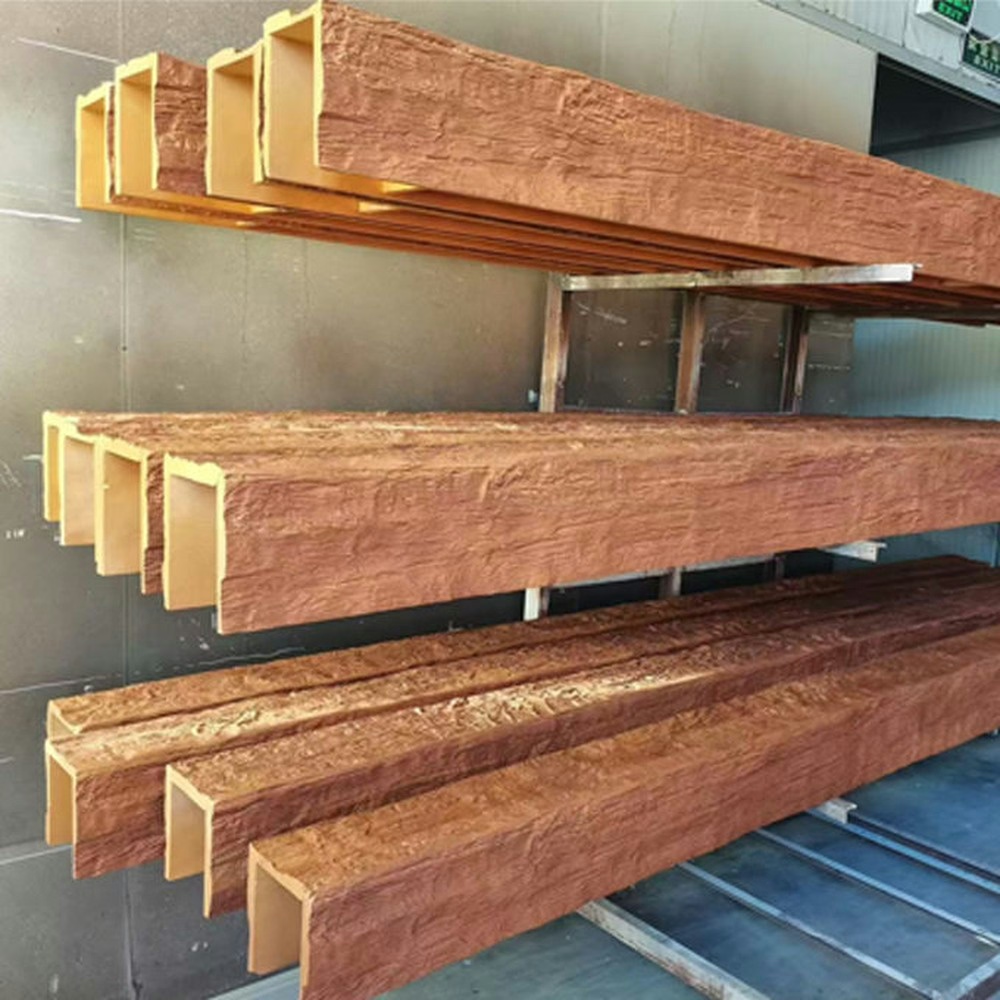
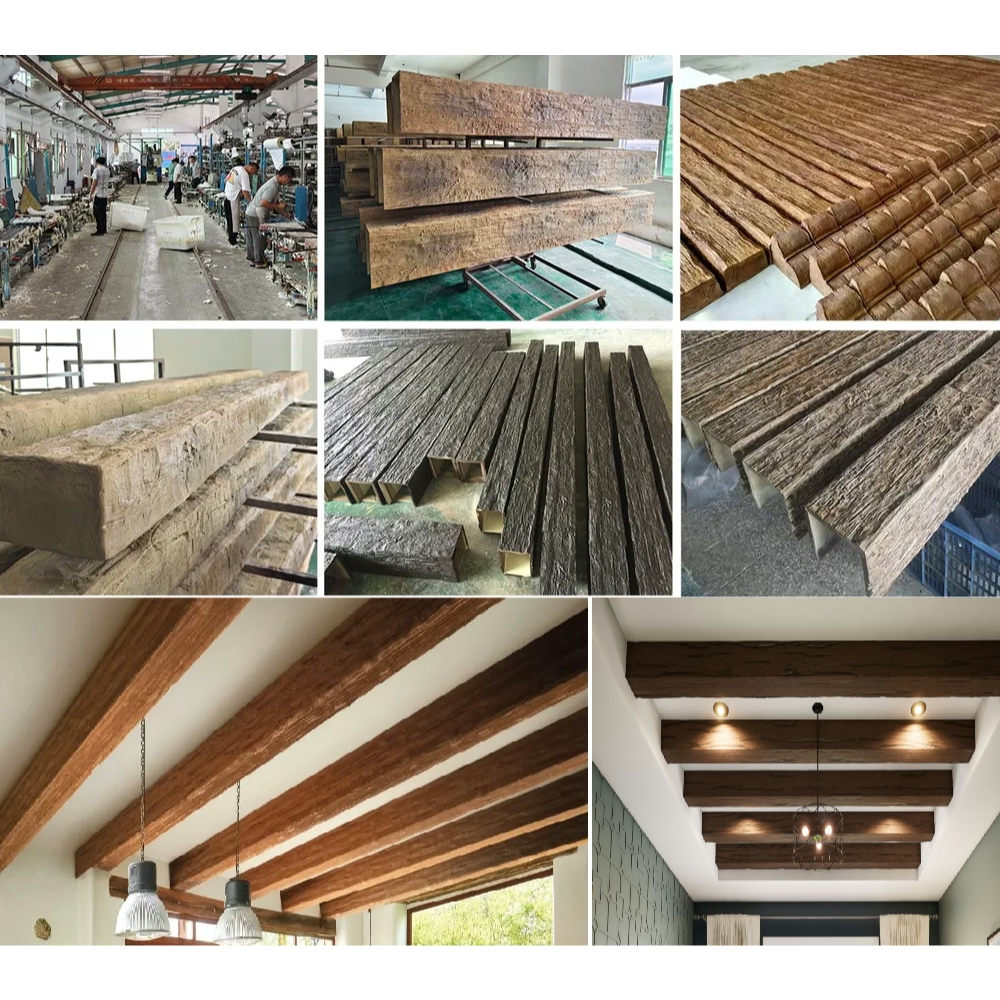
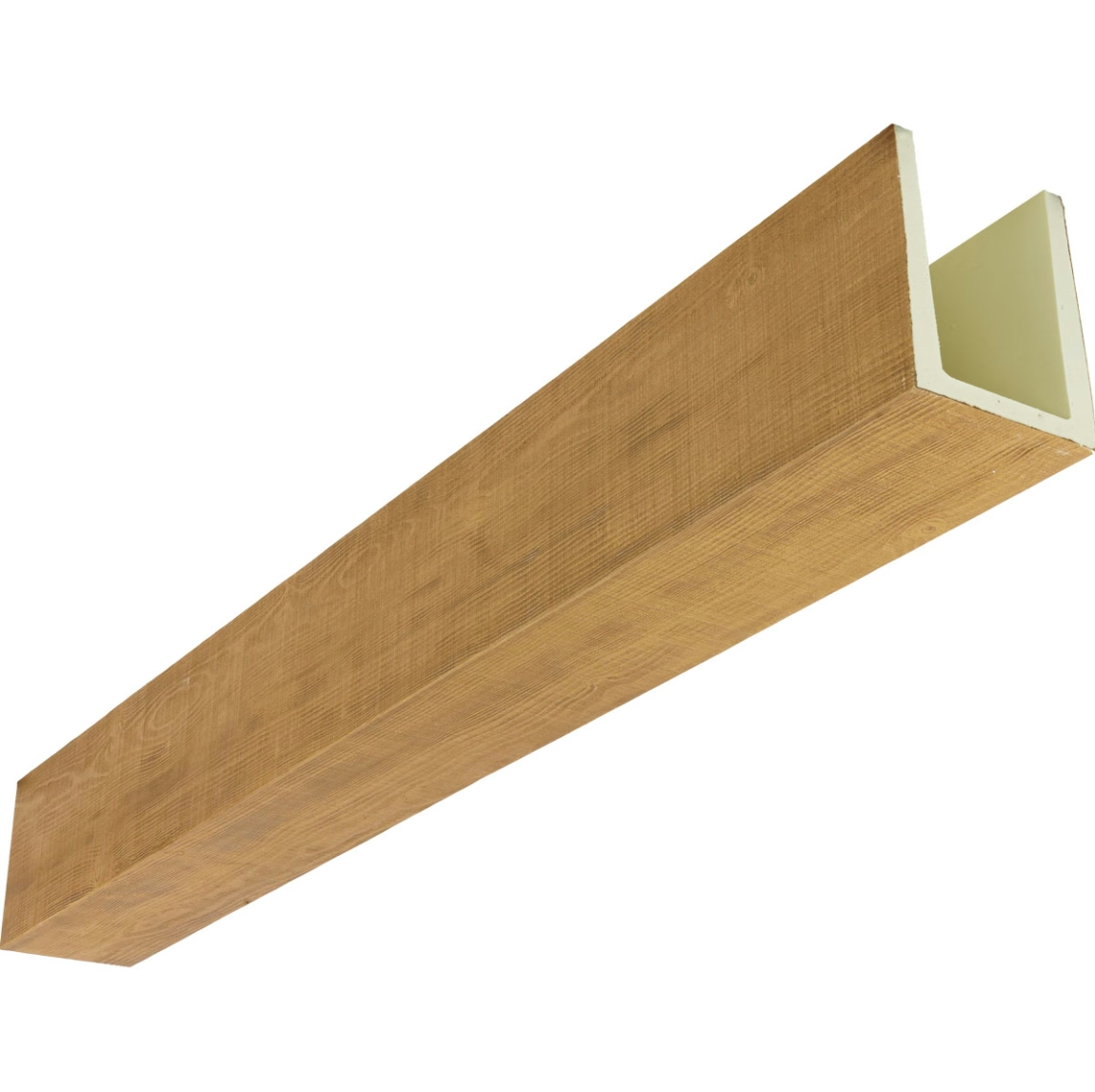
The new construction home in Minnesota featured vaulted ceilings with exposed decorative beams in the great room. The builder installed beams to finished drywall ceilings without considering the ceiling assembly's vapor barrier placement. Two winters later, the homeowner noticed water staining on drywall around beam mounting points and musty odors. Investigation revealed that warm, humid interior air was migrating through beam penetrations into cold attic spaces where it condensed on cold surfaces. The original design lacked air sealing around beam blocking that penetrated the ceiling vapor barrier. We remediated by carefully sealing all penetrations with appropriate vapor-permeable yet air-blocking products, installed additional insulation, and ensured proper attic ventilation. That $15,000 remediation could have been prevented by $200 worth of proper air sealing during original installation—a painful lesson in building science fundamentals.
Vapor barrier considerations in climate-controlled ceiling assemblies prove critical for preventing moisture problems that damage buildings and threaten occupant health. Understanding vapor diffusion physics, climate-specific requirements, and proper installation techniques ensures ceiling beam installations don't create moisture pathways compromising building envelope integrity.
Understanding Vapor Diffusion Fundamentals
Water vapor movement occurs through diffusion and air transport. Diffusion involves vapor molecules moving through building materials from high to low vapor pressure—typically from warm, humid spaces toward cold, dry spaces. Air transport involves vapor-laden air physically moving through gaps, cracks, or penetrations. Air transport moves far more moisture than diffusion, making air sealing more critical than vapor barrier selection in most applications.
Vapor pressure differentials drive moisture movement, with greater pressure differences creating stronger migration forces. Winter heating creates high interior vapor pressure relative to cold exteriors, driving moisture outward through building assemblies. Summer air conditioning in humid climates reverses this, driving moisture inward. Understanding seasonal vapor drives guides appropriate vapor control strategies.
Dewpoint and condensation physics determine where moisture condenses within assemblies. When warm, humid air cools below its dewpoint temperature, water vapor condenses into liquid. In winter, this typically occurs within cold exterior portions of wall or ceiling assemblies where warm interior air meets cold surfaces. Preventing warm interior air from reaching these cold zones prevents condensation.
Permeability ratings quantify how readily materials allow vapor diffusion. Materials rated in perms—higher numbers indicate greater permeability. Vapor barriers (less than 0.1 perms), vapor retarders (0.1-1.0 perms), and vapor-permeable materials (greater than 10 perms) serve different roles. Appropriate material selection depends on climate, assembly design, and moisture loads.
Climate zone variations create different vapor control requirements. Cold climates primarily concern winter vapor drive from warm interiors to cold exteriors, requiring interior vapor barriers or retarders. Hot-humid climates face summer inward vapor drive requiring exterior vapor control. Mixed climates experience both seasonal drives requiring "smart" vapor retarders that adapt to conditions.
Climate-Specific Requirements
Cold climate strategies (Zones 6-8) prioritize preventing interior moisture from reaching cold exterior surfaces where it would condense. Interior vapor barriers or vapor retarders plus adequate insulation keeping condensation planes above dewpoint prove essential. Ceiling assemblies require particular attention since warm air rises, increasing moisture loads on ceiling systems.
Mixed climates (Zones 4-5) experience both heating and cooling seasons creating bidirectional vapor drives. Traditional impermeable interior vapor barriers that work well in cold climates can trap moisture during cooling seasons. Variable-permeability "smart" vapor retarders or moderately permeable materials allowing seasonal drying prove appropriate.
Hot-humid climates (Zones 1-2) face primarily inward vapor drive during cooling seasons when humid outdoor air contacts cold interior surfaces. These climates benefit from exterior vapor control while maintaining interior permeability allowing inward drying. Traditional interior vapor barriers can trap moisture creating problems.
Marine climates with moderate temperatures but high humidity require careful analysis. Mild temperatures reduce condensation risks but persistent humidity demands appropriate moisture management. These locations often succeed with vapor-permeable assemblies plus robust air sealing rather than impermeable vapor barriers.

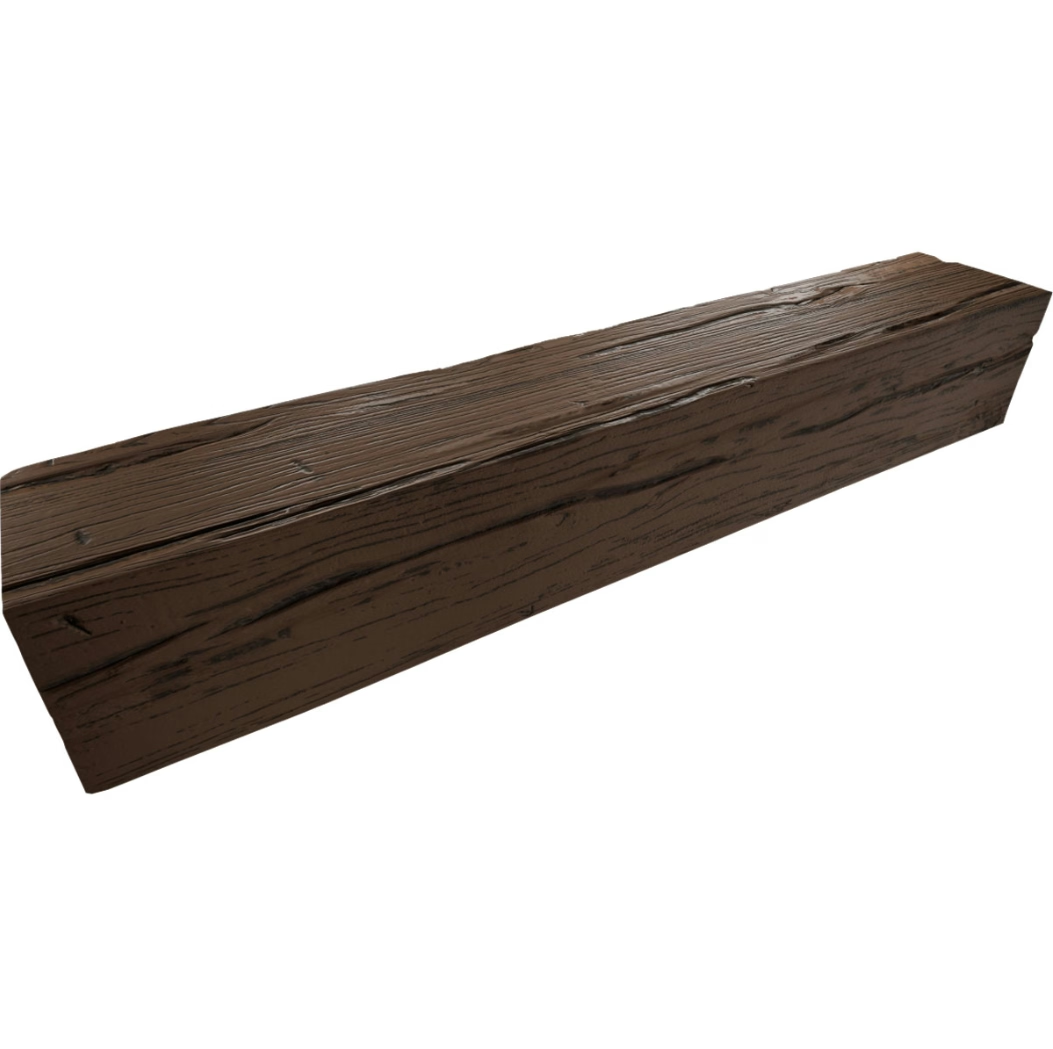
Vapor Barrier Material Selection
Polyethylene sheeting—the traditional 6-mil plastic vapor barrier—provides excellent impermeability (0.06 perms) but lacks adaptability to varying conditions. Polyethylene works well in very cold climates (Zone 7-8) but can trap moisture in mixed climates. Proper installation without tears or penetrations proves critical since damaged polyethylene loses effectiveness.
Kraft paper facing on fiberglass insulation provides modest vapor resistance (approximately 1 perm) that slows but doesn't stop vapor diffusion. This vapor retarder strategy suits moderate climates where absolute barriers might trap moisture. Kraft facing requires correct orientation (facing warm side) and careful sealing of seams and penetrations.
Foil-faced materials including foil-faced insulation board or radiant barriers provide excellent vapor impermeability while offering radiant heat reflection benefits. These materials suit applications requiring both thermal and vapor control. However, their impermeability means assemblies must dry toward one direction only, requiring careful design.
Smart vapor retarders using materials that change permeability based on humidity conditions provide adaptability for mixed climates. These sophisticated products resist vapor diffusion when dry but become permeable when wet, allowing assemblies to dry. While more expensive than traditional materials, smart retarders solve problems that fixed-permeability materials can't address.
Vapor-permeable membranes like Tyvek or similar housewraps resist liquid water while allowing vapor transmission. These materials suit exterior applications in humid climates or interior applications where drying potential outweighs vapor control needs. Understanding their appropriate role prevents misapplication.
Air Sealing Requirements
Air barrier continuity proves more critical than vapor barrier selection for moisture control. Even small air leakage paths transport more moisture than vapor diffusion through large areas. Comprehensive air sealing around ceiling penetrations, electrical boxes, ductwork, and structural members prevents bulk moisture transport.
Beam mounting penetrations through ceiling vapor barriers create potential air leakage paths that must be sealed. Blocking attached to ceiling framing penetrates whatever vapor barrier exists in ceiling assemblies. Without proper sealing, these penetrations allow warm interior air reaching cold attic spaces where condensation occurs. Appropriate sealants must maintain flexibility, adhere to both building materials and beam mounting components, and provide long-term durability.
Recessed lighting integration requires careful detailing since lights penetrate thermal and vapor barriers. IC-rated (insulation contact) airtight fixtures or site-built airtight enclosures prevent air leakage while maintaining fire safety. Non-IC fixtures require air-sealed enclosures separated from insulation. Beam layouts should coordinate with lighting to minimize conflicts.
HVAC penetrations for ductwork, registers, or returns require meticulous air sealing since these large penetrations create major leakage paths. Using appropriate mastic, tape, or foam sealants closes gaps. Beam installations shouldn't compromise HVAC air sealing—coordination ensures both systems perform properly.
Electrical penetrations through ceiling assemblies for switches, outlets, fixtures, or junction boxes require sealing individual penetrations plus gaskets or sealant around electrical boxes themselves. Special airtight electrical boxes or retrofit air sealing of standard boxes prevents air leakage through electrical systems.

Installation Best Practices
Vapor barrier placement should occur on the warm side of insulation in heating-dominated climates—typically on ceiling interior faces. This positioning keeps vapor barriers warm, preventing condensation on barrier surfaces. In cooling climates or mixed applications, variable-permeability materials or careful analysis determines appropriate placement.
Continuous barrier field integrity maintaining unbroken vapor control without tears, punctures, or gaps proves essential. Careful material handling, temporary protection during construction, and inspection before concealment prevents damage. Even small tears or gaps significantly reduce effectiveness.
Seam treatment lapping edges minimum 6 inches and sealing with appropriate tape or sealant creates continuous vapor barriers from individual material sheets. Not all tapes work effectively—using tapes specifically designed for vapor barrier sealing rather than general-purpose construction tape ensures long-term performance.
Penetration sealing around pipes, wires, ducts, and structural members uses appropriate sealants creating durable air and vapor seals. Acrylic latex sealants work for most applications while specialized products address specific needs like high-temperature locations near flues. Expanding foam sealants work well for large gaps if properly applied and trimmed.
Inspection and testing using blower door testing, thermal imaging, or smoke pencil techniques verifies air sealing effectiveness. Testing should occur before insulation installs while access remains good for repairs. Identifying and correcting air leakage during construction costs far less than after completion when access proves difficult.
Common Mistakes and Solutions
Vapor barrier inversion—installing barriers on wrong sides of assemblies—creates condensation risks. In heating climates, exterior-side vapor barriers trap interior moisture in cold assembly portions. Understanding seasonal vapor drives and appropriate barrier placement prevents this fundamental error.
Incomplete air sealing despite proper vapor barrier installation allows moisture transport negating vapor control efforts. Even perfect vapor barriers fail if air leaks around them. Comprehensive air sealing deserves equal attention to vapor barrier specification.
Conflicting requirements where multiple barriers at different assembly locations trap moisture without drying paths creates problems. Assemblies should allow drying toward at least one direction. Double vapor barriers without adequate drying potential risk moisture accumulation from construction moisture or minor leakage.
Penetration proliferation where numerous holes through vapor and air barriers create so many leakage paths that nominal barriers provide little actual moisture control. Minimizing penetrations through careful design proves more effective than attempting to seal numerous holes. Strategic planning avoiding unnecessary penetrations improves moisture management.
Lack of coordination between trades where electricians, plumbers, HVAC contractors, and carpenters create penetrations without sealing creates moisture management failures despite good design. Clear specifications assigning sealing responsibility and inspection verifying completion ensures all trades contribute to envelope integrity.
Special Considerations for Beam Installations
Blocking air sealing around beam mounting blocks penetrating ceiling planes requires particular attention. Blocks attached to joists create penetrations that must be sealed. Using spray foam, appropriate caulks, or gasket materials around blocking perimeters closes air leakage paths while maintaining structural attachment.
Hollow beam U-channels creating air pathways if not properly sealed at ends might allow air circulation between interior spaces and ceiling cavities. Sealing beam ends where they terminate at walls or within ceiling fields prevents unwanted air movement through beam interiors.
Thermal bridging through beam mounting systems, while primarily thermal efficiency concerns, relates to moisture management by creating cold spots where condensation might occur. Proper insulation around mounting systems, possible thermal breaks, or design avoiding cold surface creation prevents localized condensation.
Rigid mounting versus flexible mounting affects whether beam installations accommodate building movement and seasonal expansion/contraction without creating gaps that compromise air sealing. Flexible sealants that accommodate movement maintain air sealing through seasonal cycles better than rigid materials that crack.
Building Envelope Integration
Ceiling assembly context within overall building envelope design determines appropriate vapor and air control strategies. Ceilings form portions of building envelopes—their vapor and air barriers must integrate with wall and floor assemblies creating continuous three-dimensional building envelope systems.
Transition details where ceiling assemblies meet walls require careful attention ensuring vapor and air barriers continue without breaks. These transitions often prove vulnerable to air leakage and moisture problems if not properly detailed and executed. Three-dimensional thinking about envelope continuity prevents gaps.
Attic ventilation coordination with ceiling air sealing and insulation creates systems where adequate ventilation removes any moisture that does penetrate into attic spaces while air sealing and insulation minimize that penetration. Proper ventilation provides backup protection when primary moisture control measures prove imperfect.
Monitoring and diagnostics through humidity sensors, temperature monitoring, or periodic visual inspection enables early detection of moisture problems before significant damage occurs. Strategic sensor placement in vulnerable locations provides early warning enabling intervention.
Remediation Strategies
Existing installation assessment determining whether moisture problems exist requires inspection during heating seasons when condensation risks peak. Visible water staining, mold growth, musty odors, or frost accumulation indicate moisture problems requiring investigation.
Repair prioritization focusing on addressing major air leakage paths before worrying about vapor diffusion recognizes that bulk moisture transport through air leakage causes most problems. Sealing large penetrations yields greater benefit than perfect vapor barrier repairs.
Access strategies for remediating concealed conditions might involve strategic removal of finish materials providing access to seal critical areas. Complete ceiling removal rarely proves necessary—targeting obvious problem areas allows effective remediation without complete reconstruction.
Verification testing after remediation using blower door testing, thermal imaging, or humidity monitoring confirms effectiveness. Without verification, remediation might leave problems continuing despite effort and expense.
Code Compliance and Standards
International Residential Code (IRC) and International Building Code (IBC) requirements vary by climate zone prescribing vapor control measures. Code-minimum compliance provides baseline protection though exceeding minimum standards often proves worthwhile for enhanced durability.
ENERGY STAR and building certification programs including LEED often require more stringent moisture control than building codes mandate. Projects pursuing these certifications must meet enhanced standards including comprehensive air sealing and verified performance.
Manufacturer specifications for products including insulation, air barriers, and sealants establish warranty compliance requirements. Following manufacturer installation instructions ensures that warranties remain valid while products perform as designed.
Professional Building Science Application
Vapor barrier considerations in climate-controlled ceiling assemblies demand understanding moisture physics, climate-specific requirements, and building science principles guiding appropriate strategies. Proper moisture management prevents condensation damage, mold growth, and premature material degradation while ensuring comfortable, healthy, durable buildings. For builders, designers, and installers creating ceiling beam installations, respecting moisture management fundamentals proves essential to long-term installation success and building durability.
Ignoring vapor and air control in pursuit of cosmetic ceiling treatments creates predictable moisture problems. Professional practice demands integrating decorative elements within sound building envelope design rather than treating architectural finishes as independent from building science requirements.
通过系统的蒸汽屏障设计和气密性处理,可以有效防止天花板组件中的冷凝和潮湿问题,确保建筑的长期耐久性和室内空气质量。
Technical References
ASTM standards cited in every specification
Test Data
Lab results from internal testing program
Updated 2026
Reviewed against current product specs